Why Dress Up Your Pet?
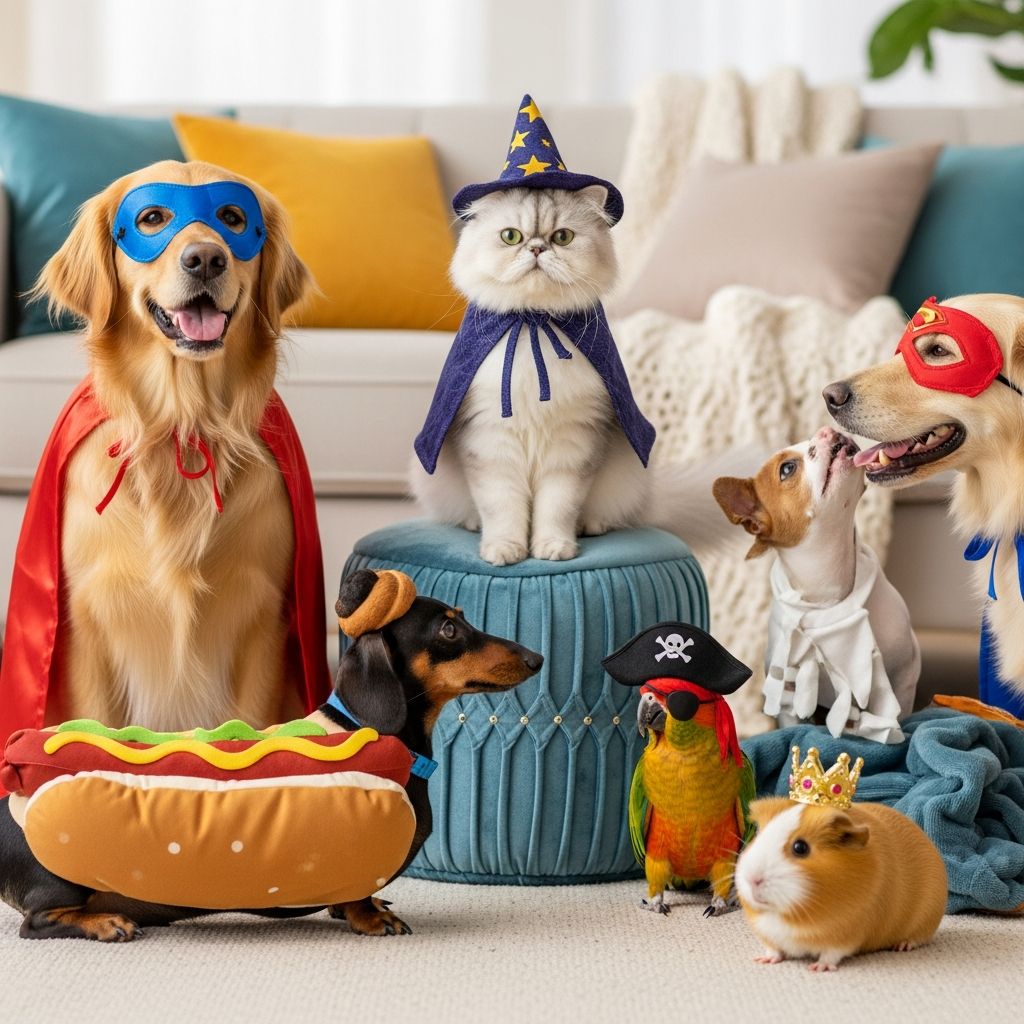
Dressing up pets has become a popular way for families to celebrate holidays, parties, and special events. Whether it’s Halloween, a themed birthday, or a festive gathering, costumes can add a playful touch to your pet’s personality and make your celebrations more memorable. However, the key to a successful pet costume experience is ensuring your furry friend feels safe, comfortable, and happy throughout the event.
Choosing the Right Pet Costume
When selecting a costume for your pet, prioritize comfort and safety above all else. Look for costumes made from soft, breathable materials that allow your pet to move freely, breathe easily, and maintain their natural body language. Avoid costumes with small, dangling parts or decorations that could be chewed off and swallowed, as these pose choking hazards.
- Choose costumes that fit well—neither too tight nor too loose.
- Ensure the costume does not restrict movement, vision, or hearing.
- Opt for simple designs with minimal embellishments to reduce risks.
- Check for reflective materials if your pet will be outdoors at night.
Safety Tips for Pet Costumes
While costumes can be fun, they can also present risks if not chosen and used carefully. Always supervise your pet while they are wearing a costume and watch for signs of discomfort or anxiety.
- Never leave your pet unattended in a costume.
- Remove the costume if your pet shows signs of distress, such as scratching, biting, or refusing to move.
- Avoid masks or anything that covers your pet’s face, as this can impair vision and breathing.
- Make sure your pet’s identification tags are visible and secure, even when wearing a costume.
- Keep costumes away from open flames and heat sources to prevent fire hazards.
Alternatives to Full Costumes
Not all pets enjoy wearing full costumes, and that’s perfectly okay. There are plenty of festive alternatives that let your pet join in the fun without the stress.
- Decorative collars or bandanas with holiday themes.
- Festive harnesses or leashes with fun patterns.
- Temporary pet-safe face paint or stickers.
- Special treats or toys shaped like holiday symbols.
Preparing Your Pet for Costume Time
Introduce costumes gradually to help your pet adjust. Start by letting them wear the costume for short periods and gradually increase the time as they become more comfortable. If your pet seems anxious or uncomfortable, try a different costume or switch to a low-stress alternative.
- Let your pet try on the costume before the event.
- Observe their behavior for signs of stress or discomfort.
- Offer treats and praise to create positive associations.
- Be patient and flexible—some pets may never enjoy costumes, and that’s okay.
Common Pet Costume Mistakes to Avoid
Even with the best intentions, pet owners can make mistakes when dressing up their pets. Being aware of these common pitfalls can help ensure a safe and enjoyable experience for everyone.
| Mistake | Why It’s a Problem | How to Avoid |
|---|---|---|
| Ill-fitting costumes | Can restrict movement or cause injury | Measure your pet and follow size charts |
| Costumes with small parts | Choking hazard | Choose simple designs without loose pieces |
| Forcing a costume on a stressed pet | Causes anxiety and discomfort | Respect your pet’s limits and try alternatives |
| Ignoring weather conditions | Can lead to overheating or discomfort | Select costumes appropriate for the climate |
FAQs About Pet Costumes
- Can all pets wear costumes?
Not all pets enjoy costumes. Some may find them stressful or uncomfortable. Always monitor your pet’s reaction and respect their limits. - How do I know if a costume fits my pet?
The costume should allow your pet to move, breathe, and see comfortably. It should not be too tight or too loose. - Are there safe alternatives to costumes?
Yes, festive collars, bandanas, and themed toys are great low-stress options. - What should I do if my pet seems stressed in a costume?
Remove the costume immediately and try a different approach or alternative. - Can costumes be dangerous?
Costumes can be dangerous if they restrict movement, have small parts, or are left unattended. Always supervise your pet and choose safe designs.
Conclusion
Dressing up your pet can be a fun way to celebrate special occasions, but safety and comfort should always come first. By choosing the right costume, preparing your pet, and being aware of common mistakes, you can ensure a joyful and stress-free experience for both you and your furry friend. Whether you opt for a full costume or a festive accessory, the most important thing is that your pet feels happy and secure throughout the festivities.