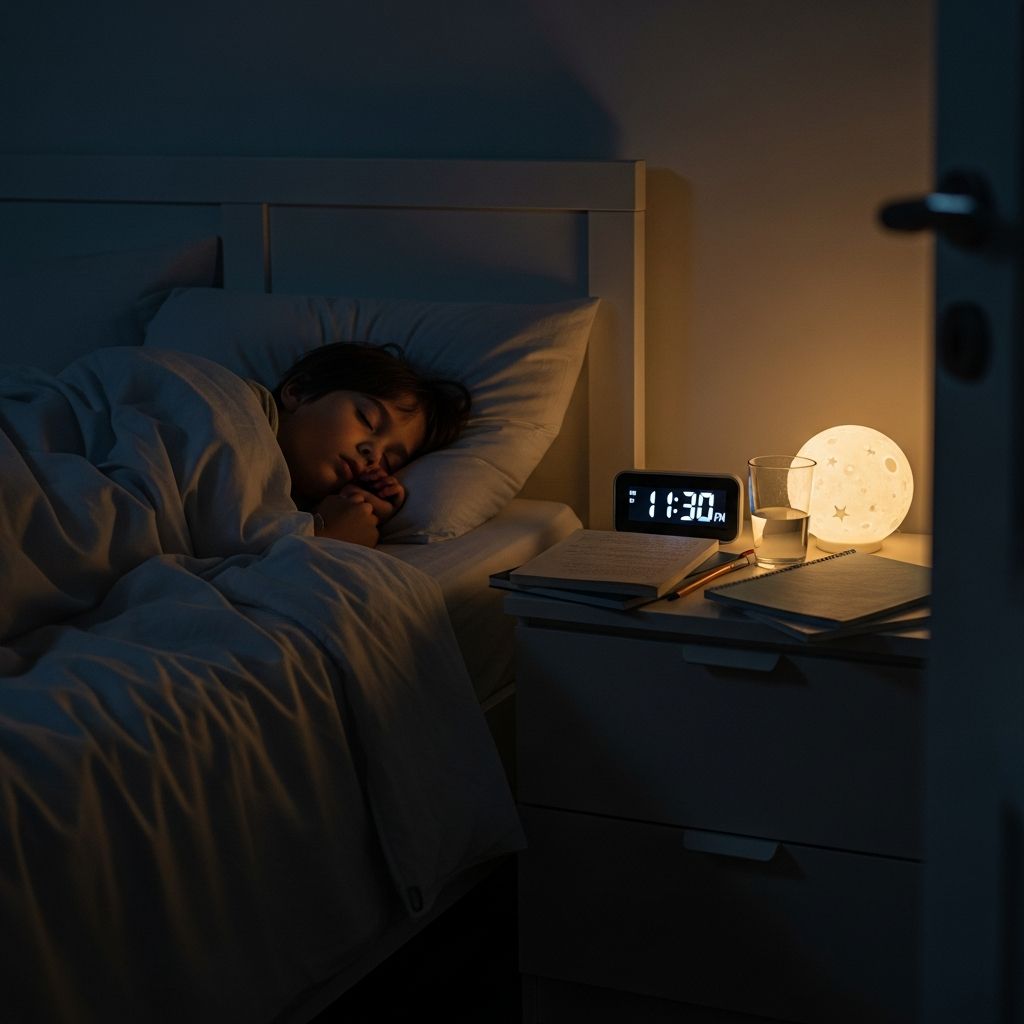
Establishing consistent sleep schedules is fundamental for young children’s overall growth. Late bedtimes, often driven by packed daily routines, can significantly hinder cognitive, emotional, and physical development in toddlers and preschoolers. Research consistently shows that insufficient or irregular sleep alters brain structure and exacerbates behavioral challenges.
Why Sleep Matters in Early Childhood
Sleep serves as a cornerstone for healthy development during the toddler and preschool years. It facilitates brain maturation, memory consolidation, and emotional regulation. The National Institutes of Health (NIH) emphasizes that children aged 6 to 12 require at least nine hours of sleep nightly to support optimal brain function. For younger children, needs are even higher, typically 11-14 hours including naps.
During sleep, the brain processes daily experiences, strengthening neural connections essential for learning and problem-solving. Disruptions from late bedtimes deprive children of these restorative phases, leading to long-term deficits. Studies from the Adolescent Brain Cognitive Development (ABCD) initiative reveal that pre-teens with chronic sleep shortages exhibit reduced gray matter in areas governing attention and impulse control. These effects likely originate earlier, underscoring the need for vigilant sleep management from toddlerhood.
Neurological Consequences of Insufficient Sleep
Brain imaging data highlights profound structural changes linked to poor sleep. Children obtaining less than recommended hours show diminished volume in regions responsible for memory, attention, and inhibitory control. These alterations persist over time, as evidenced by two-year follow-ups in NIH-funded research, indicating potential lasting harm.
- Reduced gray matter: Affects frontal lobes critical for decision-making and self-regulation.
- Impaired connectivity: Disrupts pathways for cognitive processing and emotional responses.
- Long-term persistence: Differences remain evident years later without intervention.
Such changes correlate with heightened risks for neurodevelopmental issues, mimicking symptoms of disorders like ADHD. Parents may misinterpret sleep-related hyperactivity as inherent behavioral traits rather than addressing underlying rest deficits.
Behavioral and Emotional Disruptions
Late bedtimes foster inconsistency, amplifying emotional volatility. Penn State research demonstrates that variable bedtimes—even by two hours weekly—correlate with poorer self-regulation during stressful tasks. Children with erratic schedules displayed more impulsivity, aggression, and reduced prosocial behaviors compared to peers with stable routines.
Sutter Health experts note that sleep-deprived children often manifest hyperactivity and mood swings, contrasting adult fatigue responses. This paradox complicates diagnosis, as symptoms overlap with conditions like oppositional defiant disorder.
| Symptom | Linked to Late Bedtimes | Evidence Source |
|---|---|---|
| Hyperactivity | Common in sleep-shortened children | |
| Impulsivity | Worsens with bedtime variability | |
| Anxiety/Depression | Higher incidence in insufficient sleepers | |
| Poor Focus | Impairs attention and learning |
Responsive parenting programs, emphasizing routine sleep timing, yield measurable improvements in behavior regulation, even years later.
Physical Health Ramifications
Beyond the brain, late bedtimes compromise immunity and metabolic health. Mayo Clinic reports link sleep deprivation to increased susceptibility to illnesses, obesity risks, and appetite dysregulation. Children may crave sugars, exacerbating energy crashes and further sleep disruptions.
- Weakened immune response heightens cold and flu vulnerability.
- Elevated BMI from disrupted hunger hormones.
- Accident proneness due to dulled reflexes and judgment.
These effects compound, creating a cycle where poor sleep fuels daytime struggles, prompting even later evenings.
Age-Specific Sleep Guidelines
Tailoring bedtimes to developmental stages optimizes outcomes. Toddlers (1-2 years) need 11-14 hours; preschoolers (3-5 years) require 10-13 hours, per expert consensus.
| Age Group | Recommended Sleep (Hours) | Ideal Bedtime Range |
|---|---|---|
| 1-2 Years | 11-14 | 7-8 PM |
| 3-5 Years | 10-13 | 7-9 PM |
| 6-12 Years | 9-12 | 8-9 PM |
Consistency trumps total duration; even minor variations impair regulation.
Practical Strategies for Earlier Bedtimes
Parents can reclaim evenings through structured adjustments. Prioritize sleep over extracurricular overloads, as no activity rivals rest’s cognitive benefits.
- Set a fixed schedule: Anchor bedtime to natural light cues, aiming for pre-8 PM wind-downs.
- Pre-bed rituals: Incorporate calming activities like reading or baths 30-60 minutes prior.
- Limit screens: Blue light suppresses melatonin; enforce device-free zones post-dinner.
- Daytime balance: Ensure ample physical activity and naps to build sleep pressure.
- Responsive cues: Train to recognize drowsiness, fostering independent settling.
For working parents, collaborate with caregivers for uniform routines. Track progress with sleep logs to refine approaches.
Overcoming Common Hurdles
Resistance is typical but manageable. Address fears with comfort objects; counter stalling via predictable sequences. If inconsistencies arise from family shifts, communicate expectations clearly. Professional input from pediatricians aids persistent issues, ruling out disorders like sleep apnea.
Long-Term Benefits of Sleep Optimization
Investing in early sleep hygiene pays dividends. Children with regular patterns excel academically, socially, and health-wise. NIH data suggests interventions could mitigate mental health risks into adolescence. Responsive strategies from infancy promote sustained gains in BMI control and behavior.
Frequently Asked Questions
What if my child resists an earlier bedtime?
Gradually shift by 15 minutes nightly, pairing with soothing rituals to ease transition without battles.
Does weekend flexibility harm routines?
Limit variations to under 30 minutes; greater shifts predict emotional dysregulation.
Can poor sleep mimic ADHD?
Yes, hyperactivity and inattention often stem from rest deficits, warranting sleep audits before diagnosis.
How soon do changes show results?
Improvements in mood and focus emerge within 1-2 weeks of consistency.
Is naptime still needed for preschoolers?
Yes, if fatigued; adjust to avoid bedtime interference.
References
- Children’s sleep linked to brain development — National Institutes of Health (NIH). 2022-07-29. https://www.nih.gov/news-events/nih-research-matters/childrens-sleep-linked-brain-development
- Parents, Let Your Children Sleep — Sutter Health. Accessed 2026. https://www.sutterhealth.org/health/parents-let-your-children-sleep
- Consistent bedtime linked with better child emotion and behavior regulation — Penn State University. 2024-11-08. https://www.psu.edu/news/health-and-human-development/story/consistent-bedtime-linked-better-child-emotion-and-behavior
- Sleep: An essential element of success for children — Mayo Clinic Health System. Accessed 2026. https://www.mayoclinichealthsystem.org/hometown-health/speaking-of-health/sleep-an-essential-element-of-success-for-children
- Later Emotional and Behavioral Problems Associated With Sleep Problems in Toddlers — JAMA Pediatrics. 2016-02-01. https://jamanetwork.com/journals/jamapediatrics/fullarticle/2214166