Across international comparisons of child wellbeing, children in the Netherlands repeatedly appear at the very top of the rankings. Their lives are not perfect, but a distinctive mix of culture, policy, and everyday habits makes childhood in the Netherlands stand out — and offers practical lessons for families everywhere.
Global Rankings: How Happy Are Dutch Children?
Several major reports have highlighted the remarkably high levels of wellbeing among Dutch children.
- UNICEF has ranked the Netherlands at or near number one for overall child wellbeing among high-income countries, based on material wellbeing, education, health, and life satisfaction.
- In a recent analysis, around 90% of Dutch children reported being satisfied with their lives, a higher share than in many other wealthy nations.
- Studies assessing academic, social, and emotional skills place Dutch children among the top performers, suggesting that their happiness does not come at the expense of learning.
These findings raise a central question: what is different about growing up in the Netherlands compared with many other countries?
The Dutch Childhood Blueprint: Key Ingredients at a Glance
| Domain | Typical Dutch Approach | Impact on Children |
|---|---|---|
| Parenting style | Warm, communicative, with clear boundaries | High trust, security, and autonomy |
| School pressure | Lower emphasis on early performance and testing | Less stress, more intrinsic motivation |
| Play and free time | Daily outdoor play, lots of unstructured time | Stronger social skills and mental health |
| City design | Cycling networks, safe streets, good public transit | Independent mobility and physical activity |
| Social safety net | Extensive family and child benefits, health care access | Lower child poverty and reduced family stress |
Parenting in the Netherlands: Freedom Within Firm Limits
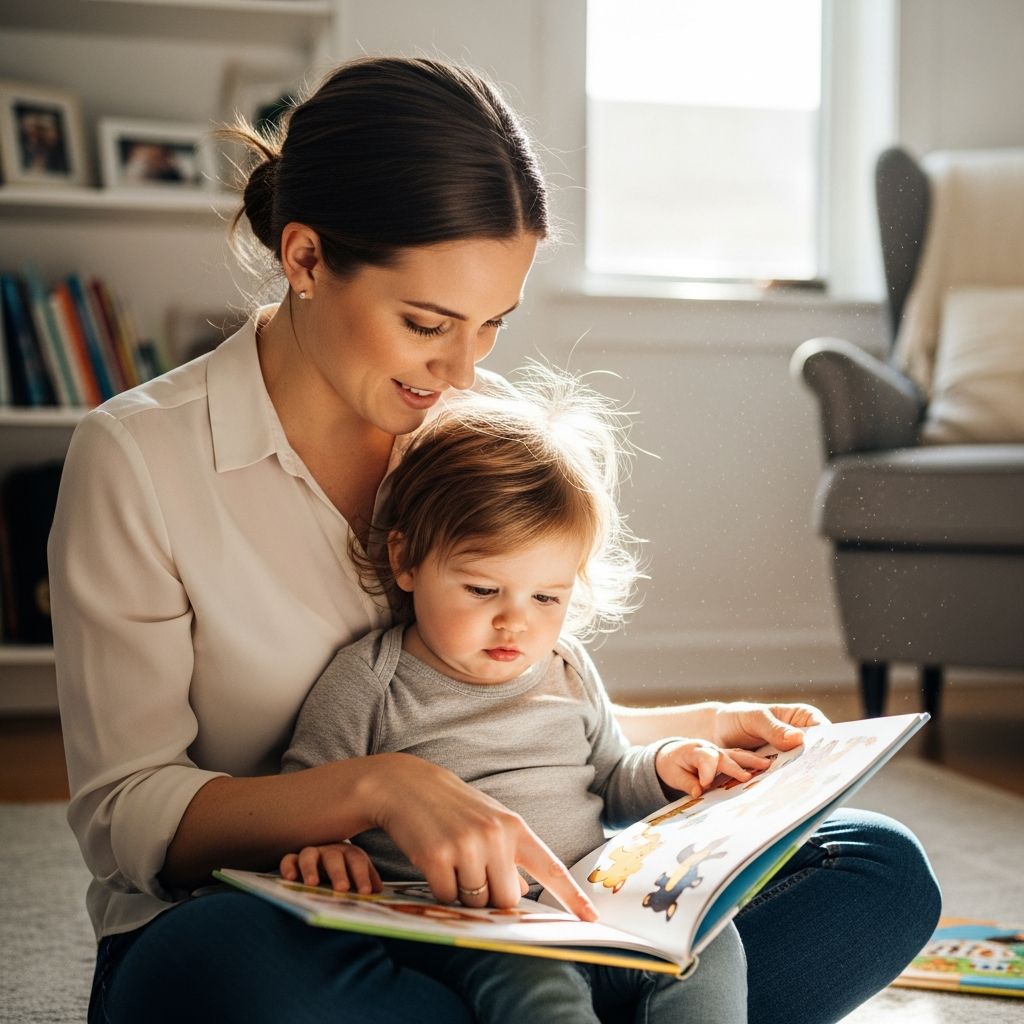
One of the most distinctive features of Dutch family life is the way parents combine warmth with structure — an approach psychologists often call an authoritative parenting style.
- High responsiveness: Parents tend to be emotionally available, listen to children’s opinions, and take their feelings seriously.
- Clear boundaries: There are firm non-negotiables around safety, respect, and routines, but within those limits, children are free to explore and make choices.
- Emphasis on dialogue: Family decisions, from curfews to school choices, are frequently discussed rather than imposed without explanation.
Research across many countries associates authoritative parenting with better mental health, stronger social skills, and higher life satisfaction in children and adolescents. Dutch families have not invented this style, but it is notably common in the Netherlands, and it dovetails with a broader cultural preference for cooperation and consensus.
School Without the Crush of Constant Pressure
In contrast to education systems that prioritize early competition and heavy homework, Dutch primary schooling is relatively relaxed, especially in the early years.
- Limited homework in primary school: Many children have little to no homework until later grades, leaving afternoons free for play and family life.
- Delayed high-stakes choices: While students are eventually tracked into different secondary pathways, these decisions usually follow years of broad, general education.
- Emphasis on social learning: Group work, cooperation, and learning to get along with classmates are viewed as core educational goals, not extras.
This relative absence of early academic pressure appears to reduce stress without harming performance: Dutch students achieve strong results in international comparisons of academic, social, and emotional skills.
The Power of Play and Everyday Joy
Play is not treated as a distraction from learning or productivity in Dutch childhood; it is central to both.
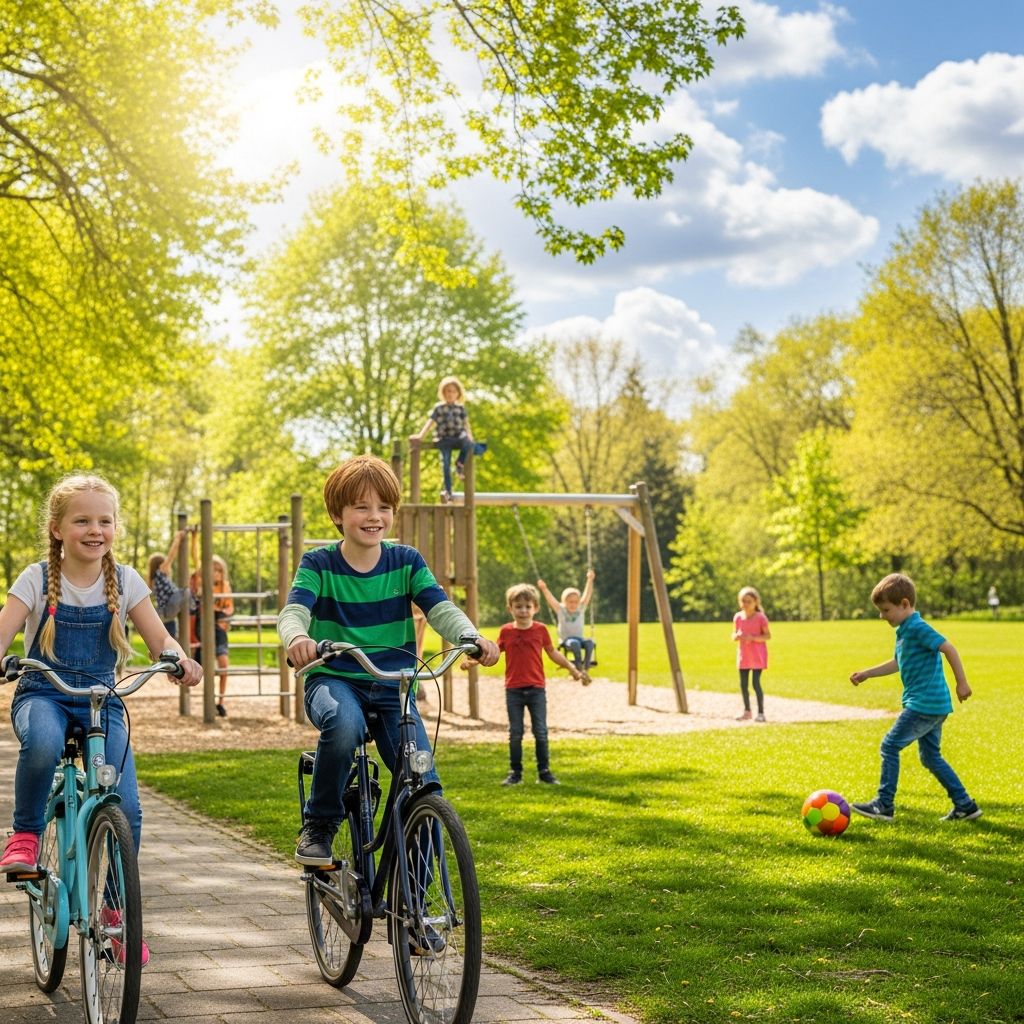
- Abundant playgrounds and green spaces: Dutch cities typically offer many safe, accessible areas for outdoor play, which supports physical health and social development.
- Free, unstructured time: Children often spend afternoons biking, visiting friends, or exploring their neighborhood without a heavy schedule of adult-organized activities.
- Value placed on simple pleasures: Everyday rituals — from family meals to bike rides to a friend’s house — are treated as meaningful parts of a good life, not just background to academic or athletic achievement.
Research on child development consistently finds that unstructured play improves self-regulation, creativity, and social competence, while reducing anxiety and behavior problems. The Dutch emphasis on play aligns strongly with this evidence.
Cycling Culture and Children’s Autonomy
One factor that stands out immediately to visitors is how freely Dutch children move through their cities and towns, often by bicycle.
- Safe cycling infrastructure: The Netherlands is known for extensive bike lanes, traffic-calmed streets, and protections for cyclists, which make it realistic for children to cycle to school or friends’ homes.
- Independent mobility: Being able to navigate their world without constant adult supervision fosters confidence, decision-making skills, and a sense of competence.
- Physical and mental health benefits: Regular cycling increases physical activity and has been linked to better cardiovascular health, cognitive performance, and mood through changes in neurotransmitters such as serotonin.
Independent mobility is increasingly rare in many countries, where children’s movements are tightly controlled by adults and cars dominate city design. Dutch infrastructure, policy, and norms make autonomy a normal part of childhood again.
Work–Life Balance and Time With Parents
Dutch parents, on average, spend a substantial amount of time with their children, not only in the first months after birth but throughout childhood.
- Part-time work culture: The Netherlands has one of the highest rates of part-time employment in Europe, particularly among parents, which allows more flexibility for school pick-ups and shared family days.
- Parental leave and flexibility: While the exact entitlements have evolved over time, families have access to a mix of maternity, paternity, and parental leave, as well as options for flexible working arrangements.
- Shared caregiving: It is increasingly common for fathers to take a regular weekly “dad day,” reflecting a norm that caregiving is shared rather than left solely to mothers.
International studies link supportive family policies and work–life balance to better mental health for parents and children, lower family stress, and higher reported life satisfaction. In this environment, children often experience their parents as both present and emotionally available.
Social Equality and the Safety Net Beneath Families
Child happiness is not only about parenting choices; it is also shaped by the broader social and economic context. The Netherlands combines relatively low income inequality with a comprehensive welfare state.
- Child benefits and family support: Universal or near-universal child allowances and subsidies help offset the cost of raising children, reducing material hardship in many households.
- Universal health coverage: Children have access to essential health care, and preventive services monitor growth, development, and mental health.
- Public investment in education: Publicly funded schools and support for children with additional needs aim to narrow gaps in opportunity.
UNICEF has highlighted that countries with lower child poverty and stronger social protection systems tend to report higher levels of life satisfaction among children. The Dutch system does not eliminate hardship, but it reduces the extremes and eases parental stress.
Emotional Literacy and Open Conversations
Another thread in Dutch family life is the relative openness with which emotions and difficult topics are discussed.
- Early conversations about feelings: Parents and teachers often encourage children to name and talk about their emotions, rather than dismissing or minimizing them.
- Direct communication: Dutch culture favors straightforwardness, which can make it easier for children to express needs, negotiate boundaries, and seek help.
- Age-appropriate education on relationships and health: Schools commonly provide comprehensive, age-appropriate lessons on relationships, bodies, and respect, helping children navigate social and emotional challenges more confidently.
Evidence from international programs shows that social and emotional learning in school improves mental health outcomes and reduces bullying and behavioral issues. When this is reinforced at home, children gain a robust toolkit for handling stress.
Not a Utopia: Real Challenges Dutch Children Face
Despite these advantages, growing up in the Netherlands is not without difficulties.
- Climate anxiety: Much of the country lies at or below sea level, and surveys indicate that Dutch adolescents, like their peers elsewhere, often worry about climate change and the future of their environment.
- Academic tracking and pressure later on: While early schooling is relatively relaxed, the transition to tracked secondary education can bring new stress about performance and future prospects.
- Mental health concerns: As in many high-income countries, there have been concerns about rising mental health problems among adolescents, especially following the COVID-19 pandemic.
Recognizing these challenges is essential: Dutch children’s high average happiness coexists with very real struggles for some young people, and ongoing policy and practice changes are still needed.
What Other Countries and Families Can Learn
Not every country can replicate Dutch infrastructure or social policies overnight, but many of the underlying principles can be applied in different contexts. Families and communities might consider:
- Prioritizing unstructured play and reducing overscheduling.
- Adopting an authoritative parenting style that combines warmth with clear expectations.
- Supporting safe routes for children to walk or bike to school where feasible.
- Advocating for family-friendly work policies and reasonable school workloads.
- Building a home culture of open dialogue about feelings, relationships, and future worries.
The Dutch experience suggests that when a society treats childhood as a protected, joyful, and respected phase of life — rather than a race to adult success — children are more likely to grow up healthy, confident, and satisfied.
Frequently Asked Questions (FAQs)
Q: Are Dutch children really the happiest in the world?
UNICEF and other organizations have repeatedly ranked the Netherlands at or near the top of international comparisons of child wellbeing and life satisfaction, placing Dutch children among the happiest in high-income countries.
Q: Does less homework mean Dutch children learn less?
Evidence suggests the opposite: despite relatively low homework loads in primary school, Dutch children score highly on measures of academic, social, and emotional skills, showing that a lighter workload can still support strong learning when schools are effective.
Q: Is cycling really important for children’s happiness?
Safe cycling networks enable children to move independently, see friends, and be physically active, all of which are linked with better mental and physical health; countries with strong cycling cultures, like the Netherlands, often report high levels of everyday activity and satisfaction among young people.
Q: Can parents outside the Netherlands use Dutch parenting ideas?
Yes. While specific policies and infrastructure differ, parents everywhere can adopt elements such as authoritative parenting, open conversations about emotions, valuing play, and resisting excessive academic pressure in the early years.
Q: Does the Dutch model ignore academic achievement?
No. Dutch schools expect children to learn and eventually make serious educational choices, but they tend to delay intense competition, focusing first on social skills, basic foundations, and wellbeing, which in turn supports long-term academic success.
References
- Worlds of Influence: Understanding What Shapes Child Well-being in Rich Countries — UNICEF Office of Research – Innocenti. 2020-09-03. https://www.unicef-irc.org/publications/1140-worlds-of-influence-understanding-what-shapes-child-well-being-in-rich-countries.html
- Parenting Styles and Adolescents’ Achievement Strategies — S. Aunola, J.-E. Nurmi. Journal of Adolescence. 2005-02-01. https://doi.org/10.1016/j.adolescence.2003.12.008
- The Power of Play: A Pediatric Role in Enhancing Development in Young Children — American Academy of Pediatrics. Pediatrics. 2018-09-01. https://doi.org/10.1542/peds.2018-2058
- Cycling and Children: Towards a Healthy and Sustainable Future — Dutch Cycling Embassy. 2022-01-01. https://dutchcycling.nl/en/news/cycling-and-children-towards-a-healthy-and-sustainable-future
- OECD Family Database — Organisation for Economic Co-operation and Development. Updated 2023-01-01. https://www.oecd.org/social/family-database.htm
- Health Behaviour in School-aged Children (HBSC) Study — International Report — World Health Organization Regional Office for Europe. 2020-05-19. https://www.who.int/europe/publications/i/item/9789289055000