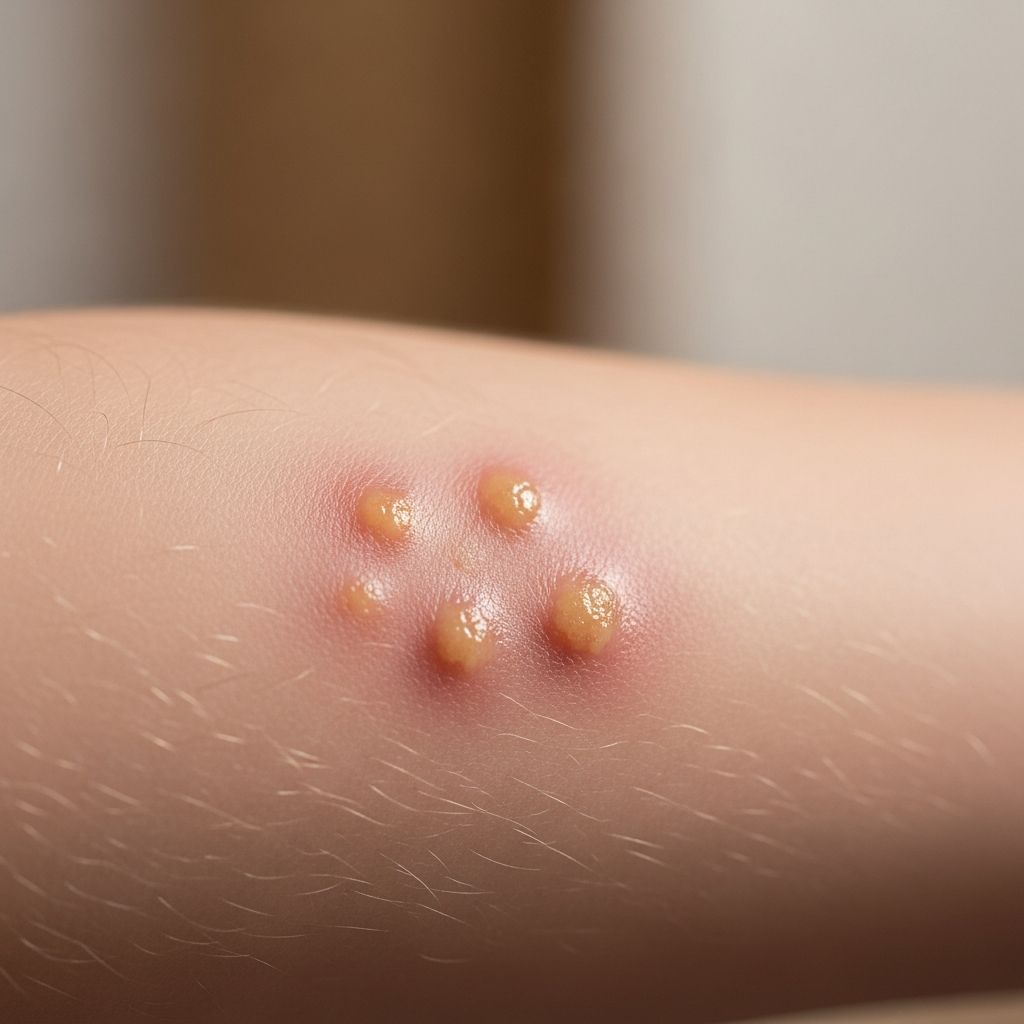
Impetigo is one of the most common skin infections in young children, and it often appears just when families feel least prepared to deal with it. Understanding what it looks like, how it spreads, and how to treat it quickly can make a big difference in your child’s comfort and in preventing it from spreading to siblings or classmates.
What Is Impetigo?
Impetigo is a superficial bacterial infection that affects the outer layers of the skin. It usually shows up as small red spots or blisters that break open and form crusts on the surface of the skin. While it is highly contagious, it is usually mild and responds well to treatment when recognized early.
This infection is most often seen in preschool and school-aged children, but anyone can get it. Crowded environments, warm weather, and close contact activities make it easier for impetigo to spread from person to person.
Why Children Get Impetigo So Often
Young children are especially prone to impetigo because their skin barrier is still developing and they tend to have more minor skin injuries, like scrapes, bug bites, and rashes. These tiny breaks in the skin act as open doors for bacteria.
- Children touch their faces and other people frequently.
- Shared toys, sports equipment, and towels can carry bacteria.
- Conditions like eczema, allergies, or frequent nose rubbing increase the risk of infection.
The Bacteria Behind Impetigo
Two main types of bacteria cause impetigo: Staphylococcus aureus (staph) and Streptococcus pyogenes (group A strep). These bacteria can live on the skin or in the nose without causing problems until they enter through a cut, scratch, or irritated patch.
Once inside the top layer of skin, the bacteria multiply and trigger inflammation, redness, and blister formation. In some cases, the bacteria release toxins that cause the skin to separate and form larger blisters.
Types of Impetigo You Might See
There are two main forms of impetigo, and recognizing which one your child has can help you understand what to expect.
Non-bullous (Crusted) Impetigo
This is the most common form seen in children. It usually begins as small red spots that quickly turn into tiny blisters and then break open. The fluid dries and forms a crust over the sore.
- Often appears around the nose, mouth, or on the arms and legs.
- Crusts may appear yellowish or golden in color.
- Itching is common, but pain is often mild.
Bullous Impetigo
Bullous impetigo causes larger, fluid-filled blisters. This form is more often seen in infants and very young children. The blisters can be fragile and may burst easily, leaving raw-looking skin.
- Blisters can appear on the trunk, diaper area, arms, or legs.
- The skin around the blisters may look red or slightly swollen.
- Children may complain of soreness or feel more uncomfortable than with small crusted sores.
Typical Signs and Symptoms
At first, impetigo can look like a simple bug bite or small scratch, which makes it easy to overlook. Within a short time, however, the appearance of the area usually changes.
- Small red spots that turn into blisters.
- Blisters that ooze a clear or yellowish fluid.
- Crusts forming over the sores after the blisters break.
- Itching and mild soreness around the affected area.
- Occasionally, low-grade fever or swollen lymph nodes nearby.
Sores can be isolated at first but may spread as a child scratches or touches other parts of the body. Without treatment, new lesions can continue to appear for several days.
Where on the Body Does It Appear?
Impetigo can develop almost anywhere, but certain locations are more common than others in children.
| Body Area | Why It’s Common |
|---|---|
| Around the nose and mouth | Frequent nose wiping, drooling, and face touching create moisture and small skin breaks. |
| Hands and fingers | Constant contact with surfaces, toys, and other people increases exposure to bacteria. |
| Arms and legs | More likely to have scrapes, bug bites, and minor injuries from play. |
| Diaper area | Warm, moist environment and friction can irritate skin, especially in babies. |
How Impetigo Spreads
Impetigo is very contagious and spreads easily in homes, schools, day-care centers, and sports teams. A child with impetigo can spread the infection to others and to different parts of their own body.
- Direct skin-to-skin contact with an infected area.
- Sharing towels, washcloths, clothing, or bedding.
- Touching surfaces or objects contaminated with the bacteria and then touching skin.
Children are most contagious when the sores are moist or weeping. Once the lesions are properly treated and start to dry, the risk of passing them on to others drops significantly.
When to Call the Doctor
Many parents first notice a cluster of crusted spots and wonder whether it is worth a doctor visit. Because impetigo is an infection that usually requires prescription treatment, medical guidance is important.
- Sores are spreading, painful, or not improving over a couple of days.
- Your child has a fever, seems unusually tired, or appears unwell.
- The area around the sores is hot, very red, or swollen.
- You see blisters filled with cloudy or bloody fluid.
- Your baby or child has impetigo near the eyes or inside the nose.
Seek urgent care if your child seems very ill, has trouble breathing, or the redness spreads rapidly beyond the sores. These signs may indicate a more serious infection that needs prompt evaluation.
How Impetigo Is Diagnosed
In most cases, a health care professional can diagnose impetigo simply by looking at the affected areas and asking about symptoms. The combination of location, appearance, and the child’s age is often enough to confirm the diagnosis.
Occasionally, a swab of the sore may be taken to identify the exact bacteria or to check which antibiotics will be most effective. This is more common if the infection is severe, keeps coming back, or does not respond to standard treatment.
Treatment Options: Helping Skin Heal
Treatment for impetigo aims to clear the infection, relieve discomfort, and reduce the chance of passing it on. The approach depends on how many sores there are, where they are located, and how severe they appear.
Topical Antibiotic Ointments or Creams
For mild cases with a small number of lesions, a prescription antibiotic ointment or cream is often the first choice. Parents are usually instructed to gently clean the area and then apply the medicine directly to the sores.
- Used when the infection is limited to a small area.
- Applied for several days as directed by the doctor.
- Important to complete the full course, even when the skin looks better.
Oral Antibiotics
When impetigo is widespread, involves many sites, or is associated with systemic symptoms like fever, oral antibiotics may be prescribed. These medicines work from the inside out, helping to clear bacteria throughout the body.
- Often used for large outbreaks or bullous impetigo.
- Given as liquid or tablets, depending on the child’s age.
- Must be taken exactly as prescribed to prevent recurrence.
Supportive Skin Care
In addition to antibiotics, gentle skin care helps reduce discomfort and speeds healing. Parents play a major role in keeping the affected skin clean and protected.
- Soak crusted areas with warm water and a clean cloth to soften and gently remove loose crusts.
- Avoid harsh scrubbing, which can irritate the skin further.
- Keep nails short to limit damage from scratching.
Home Care: Practical Steps for Parents
Caring for a child with impetigo at home involves more than medicine alone. Everyday habits can either help control the infection or allow it to spread.
- Wash hands frequently. Encourage every family member to wash hands with soap and water, especially after touching the affected child or applying medication.
- Use separate towels. Give the child their own towel and washcloth and launder them in hot water after each use.
- Cover the sores if possible. Light, breathable bandages can discourage scratching and reduce contact with surfaces.
- Discourage scratching. Offer distraction, mittens for younger children, or an age-appropriate explanation of why scratching makes things worse.
- Trim fingernails. Short nails are less likely to break the skin or spread bacteria under the nail edges.
Preventing Impetigo in Your Family
While it is impossible to avoid every skin infection, certain habits make impetigo less likely to appear or spread. Teaching children these routines early can protect them and their friends.
- Encourage daily bathing and thorough rinsing of soap from the skin.
- Clean small cuts and scrapes promptly with mild soap and water.
- Cover open wounds with a clean bandage when children are playing outside or at school.
- Teach kids not to share towels, washcloths, razors, or sports gear that touches the skin.
- Manage underlying skin problems, like eczema, as recommended by your child’s health care provider.
Returning to School, Day Care, or Sports
Parents often wonder when it is safe for a child with impetigo to be around other children again. The answer depends on how far treatment has progressed and whether sores can be covered.
- Many providers recommend staying home until the child has been on antibiotics for at least 24 hours.
- Sores should be covered when possible, especially for contact sports or group activities.
- Clothing and bedding that touched the sores should be washed before the child returns to group settings.
Possible Complications (And Why Treatment Matters)
Most cases of impetigo clear without long-term problems, especially when treated early and correctly. However, untreated or severe infections can occasionally lead to complications.
- Deeper skin infections that cause more pain, swelling, or pus.
- Scarring in areas where the skin was severely damaged or repeatedly scratched.
- Rare immune reactions after certain bacterial infections that can affect other organs.
Prompt medical care, correct use of antibiotics, and good skin hygiene greatly reduce the risk of these problems. Parents should follow up with their health care provider if the skin is not clearly improving after the full course of treatment.
Frequently Asked Questions About Impetigo
Is impetigo dangerous?
In most healthy children, impetigo is not dangerous and is considered a mild, treatable infection. That said, it does require attention because it is contagious and can become more serious if neglected.
Can adults catch impetigo from children?
Yes. Adults can develop impetigo, particularly if they have close contact with an infected child or if they have cuts, insect bites, or irritated skin that allows bacteria to enter. Good handwashing and avoiding shared personal items help lower this risk.
Does impetigo always need antibiotics?
Because impetigo is a bacterial infection, antibiotics are commonly recommended to speed healing and reduce contagiousness. Occasionally, very minor cases may improve with careful hygiene alone, but this decision should be made with a health professional.
Will impetigo leave scars?
Superficial impetigo usually heals without scarring when it is treated and not heavily scratched. If the infection becomes deeper or the skin is repeatedly picked at, small marks may remain.
Can impetigo come back?
It is possible for impetigo to recur, especially in households or settings where bacteria spread easily or underlying skin problems continue. Addressing frequent nose picking, persistent rashes, or crowded living conditions can help reduce repeated infections.
Are there any long-term effects?
The vast majority of children recover fully from impetigo with no lasting effects. Your child’s provider may monitor for rare complications in cases involving certain strains of bacteria or more severe illness.
Key Takeaways for Parents
- Impetigo is common, contagious, and usually mild when treated promptly.
- Look for red spots, blisters, and crusts, especially around the nose, mouth, hands, and legs.
- Contact a health care provider for proper diagnosis and treatment, typically with antibiotics.
- Handwashing, separate towels, and covering sores help protect siblings and classmates.
- Most children recover quickly and return to normal activities with minimal disruption.