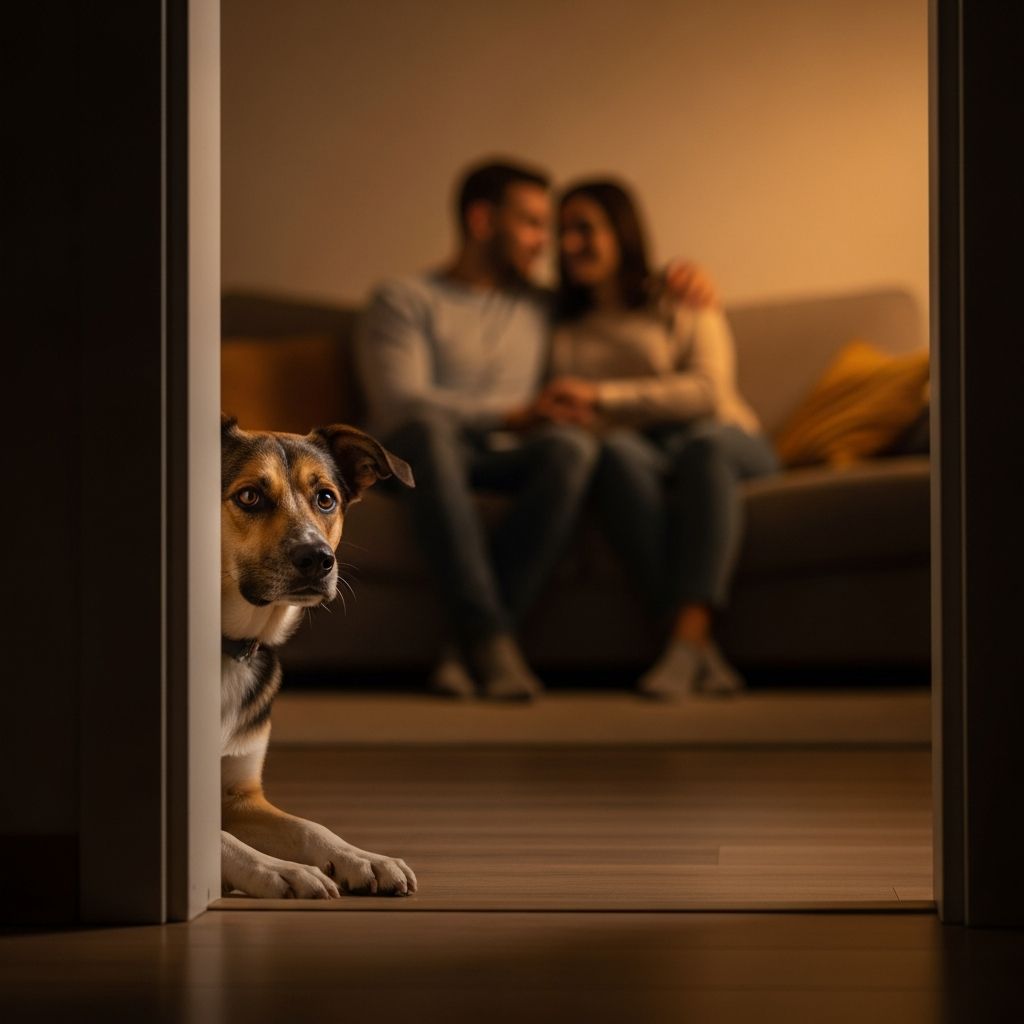
Pet owners frequently encounter an awkward yet intriguing situation: their dog intently observing during moments of human closeness or intimacy. This behavior, often misinterpreted as intrusive or odd, stems from deep-rooted canine instincts rather than any understanding of human sexuality. Veterinary behaviorists emphasize that dogs perceive these interactions through the lens of pack dynamics, emotional cues, and territorial needs, making their presence a natural response to heightened energy in their environment.
Understanding the Instinctive Pull Toward Human Activity
Dogs are highly attuned to their owners’ behaviors, especially shifts in routine or energy levels. During intimate moments, humans exhibit unusual movements, sounds, and focused attention on each other, which pique a dog’s curiosity. Unlike humans, dogs do not conceptualize sex; instead, they interpret it as play, affection, or potential conflict. This misperception drives them to investigate, much like they would during a lively game or argument.
Research into canine cognition shows dogs excel at reading human facial expressions and body language. Studies demonstrate that dogs can differentiate between happy and angry faces, adjusting their approach accordingly. In intimate scenarios, the mix of excitement and closeness signals something noteworthy, prompting stares or interventions to participate or assess the situation.
Jealousy: The Emotional Core of Canine Observation
One primary driver is jealousy, not in a romantic sense, but as a desire for inclusion in the social bond. Dogs view their owners as pack leaders and primary sources of attention. When owners direct affection toward each other, dogs feel excluded, triggering behaviors aimed at regaining focus. Experts note this accounts for up to 75% of pet behavioral issues, manifesting as staring, pawing, or vocalizing to remind owners of their presence.
- Exclusion from Affection: Dogs associate physical closeness with bonding, similar to how they receive pets or cuddles.
- Energy Imbalance: Heightened emotions disrupt the usual hierarchy, prompting corrective action.
- Play Invitation: Vigorous movements resemble roughhousing, inviting dogs to join what they see as fun.
This jealousy mirrors childlike innocence; dogs seek participation without grasping erotic undertones.
Territorial Instincts and Resource Guarding
Beyond emotions, dogs exhibit territorial behaviors, particularly in familiar spaces like bedrooms. Beds represent safe havens and prime resources, guarded fiercely against perceived intruders. A partner’s presence during intimacy can trigger protective staring or positioning to assert dominance over the area.
Resource guarding extends to owners themselves, seen as survival assets providing food and security. Dogs may position themselves nearby to monitor and intervene if they sense a threat, interpreting intimacy as an ‘attack’ on their valued human. This is common in dogs accustomed to sharing sleeping spaces, increasing their likelihood of involvement.
| Behavior | Instinct | Common Response |
|---|---|---|
| Staring intently | Territorial monitoring | Assessing safety of space/owner |
| Pawing or inserting self | Resource reclaiming | Regaining physical access |
| Barking/meowing | Attention demand | Disrupting to redirect focus |
The Role of Bonding Hormones in Staring
Gazing forms a cornerstone of human-dog bonds, releasing oxytocin—the ‘love hormone’—in both species. Mutual eye contact fosters trust and affection, explaining why dogs stare during calm interactions. During intimacy, this extends as dogs seek to maintain connection amid diverted attention, using stares to elicit response and oxytocin boosts.
Oxytocin promotes prosocial behaviors, calming anxiety and enhancing pack unity. Dogs, evolved alongside humans, leverage this to integrate into family dynamics, viewing intimacy as an opportunity to reinforce ties.
Breed and Habituation Factors Influencing Behavior
No specific breeds are prone to this more than others, but lifestyle plays a key role. Dogs sharing beds or bedrooms witness more private moments, habituating them to enter during intimacy. Breeds with strong guarding instincts, like herding or protection types, may react more vigilantly, though all dogs share core drives.
Unneutered dogs or those with limited socialization might amplify responses, but training mitigates this. Consistent boundaries teach appropriate times for involvement.
Potential Concerns: When Observation Turns Problematic
Most staring is benign, reflecting curiosity or affection. However, aggression—snapping, growling, or blocking access—signals deeper issues like fear, pain, or severe guarding. In such cases, consult a veterinary behaviorist. Watch for accompanying signs:
- Changes in appetite or sleep.
- Increased anxiety in other contexts.
- Physical discomfort indicators like limping.
Rarely does this indicate sexual confusion; canine affection is platonic bonding, not attraction.
Practical Strategies for Managing Canine Interruptions
Pet owners can harmonize privacy with pet needs through proactive steps:
- Designate a Safe Space: Train dogs to retreat to a crate or separate room with treats and toys during private time.
- Exercise Beforehand: Tire them out with walks or play to reduce energy for snooping.
- Reinforce Commands: Use ‘place’ or ‘stay’ consistently, rewarding calm observation from afar.
- Gradual Desensitization: Expose to simulated intimacy (e.g., hugging) while rewarding non-interference.
- Professional Help: For persistent issues, seek certified trainers.
These maintain bonds without compromising human privacy.
FAQs: Common Questions About Dogs and Intimacy
Do dogs understand what sex is?
No, dogs lack the cognitive framework to comprehend human sex. They see it as play, affection, or unusual activity.
Is it harmful to let my dog watch?
Generally safe if non-aggressive. It won’t traumatize them, as they don’t intellectualize it.
Why does my dog bring toys during these moments?
Offering toys invites play, aligning with their perception of the activity as fun.
Can cats exhibit similar behaviors?
Yes, cats show jealousy and territoriality, often through staring or vocalizing.
How do I stop my dog from jumping on the bed?
Consistent training, preemptive exercise, and alternative comforts work best.
Myths and Misconceptions Clarified
Popular beliefs exaggerate canine awareness. Dogs aren’t ‘pervy’ or judgmental; their actions are instinctual. They don’t sense ‘negative vibes’ supernaturally but read subtle cues humans miss. Dismissing anthropomorphism prevents misguided reactions like punishment, which worsens anxiety.
In multi-pet homes, dynamics intensify as animals compete for attention, amplifying observations.
Building Healthier Human-Pet Dynamics
Viewing these behaviors through ethology—animal behavior science—fosters empathy. Dogs thrive on clear leadership and inclusion, reducing unwanted intrusions. Daily routines emphasizing training and bonding minimize issues, ensuring harmonious living.
Experts advocate positive reinforcement over exclusion, preserving oxytocin-driven attachments. Ultimately, these moments highlight dogs’ profound loyalty: ever-watchful guardians seeking eternal pack membership.
References
- Why Your Dog Is Watching You Have Sex — Fatherly. 2023. https://www.fatherly.com/health/why-dogs-watch-people-have-sex
- What’s Going Through Your Pet’s Head When It Creepily Watches You Have Sex — The Rooster. 2023. https://therooster.com/articles/whats-going-through-your-pets-head-when-it-creepily-watches-you-have-sex/
- The Science Behind Why Dogs Stare At Us — 4Knines. 2023. https://4knines.com/blogs/4knines-blog-home-page/the-science-behind-why-dogs-stare-at-us
- Can dogs actually develop a sexual attraction to humans — Dial A Vet. 2023. https://www.dialavet.com/ask-a-vet/dog-clingy-evening-behavior-5721
- Oxytocin Increases When Your Dog Looks at You — Patricia McConnell. 2013-10-01. https://www.patriciamcconnell.com/theotherendoftheleash/oxytocin-increases-when-your-dog-looks-at-you/