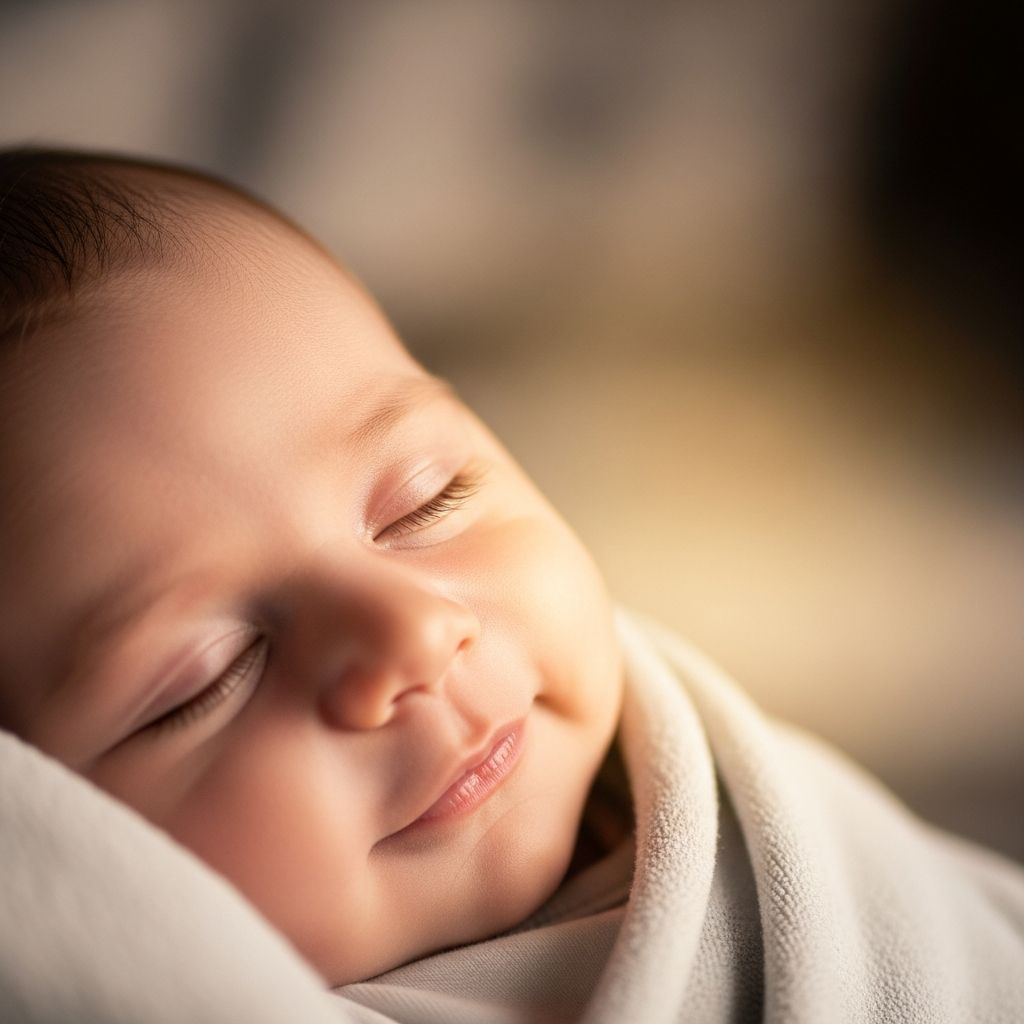
Observing a baby flash a grin while fast asleep is one of parenting’s most delightful surprises. These fleeting expressions spark curiosity about what’s happening in their tiny minds and bodies. Far from random twitches, sleep smiles often signal normal growth processes, offering reassurance to watchful parents. This article delves into the biological, neurological, and developmental factors at play, drawing from established pediatric insights to explain this charming phenomenon.
The Sleep Architecture of Newborns and Infants
Understanding baby sleep starts with recognizing how it differs from adults. Newborns cycle through rapid eye movement (REM) and non-REM (NREM) stages, but they spend up to 50% of their sleep in REM, compared to adults’ 20%. REM, known as active sleep, features heightened brain activity, quick eye darts under closed lids, and irregular breathing. During this phase, the body remains mostly paralyzed to prevent acting out dreams, yet facial muscles can still move freely.
This high REM proportion supports explosive brain growth in the first year. Neural pathways form rapidly as the brain sorts daily sensory inputs—sights, sounds, touches, and tastes. Sleep smiles frequently emerge here because the developing nervous system tests connections without full conscious control. The prefrontal cortex, responsible for deliberate expressions, matures later, allowing unfiltered activity to surface as smiles.
Reflexive Smiles: Nature’s Built-In Practice
The predominant explanation for early sleep smiles is reflex. Newborns exhibit “endogenous smiling,” spontaneous facial contractions arising internally during REM, akin to sucking, grasping, or startle reflexes. These aren’t responses to external stimuli but automatic muscle activations practicing essential skills.
- Timing: Reflex smiles appear from birth, even in utero around 25-27 weeks gestation.
- Characteristics: Brief, bilateral, and sometimes intense, resembling Duchenne smiles (crinkling eyes and cheeks).
- Purpose: Strengthens facial muscles and forges neural links for future social smiling.
One study observed half of neonates displaying mature Duchenne smiles during sleep, lasting about 1.3 seconds on average, underscoring this as standard development. As the nervous system refines, these reflexive grins fade after a few months.
Do Dreams Fuel Those Grins?
Whether babies dream remains debated, but experts posit dream-like states during REM where they replay experiences. A content infant—well-fed, cuddled, or soothed—might process positive sensations, triggering a smile. Pediatric neurologists note babies likely revisit feeding, parental voices, or warmth, evoking joy.
Unlike adult dreams with narratives, infant versions are sensory fragments due to limited memory. High REM facilitates this processing, consolidating learnings into long-term storage. Smiles here blend reflex with subtle emotional echoes, hinting at budding feelings.
Emotional Maturation and Social Smiling Emergence
Around 6-8 weeks, sleep smiles evolve. “Social smiles” practice daytime interactions, more intentional than pure reflexes. Awake, babies grin at faces; asleep, they rehearse amid REM’s low inhibition. This marks emotional development, where positive daily events imprint as felt joy.
| Age Range | Smile Type | Key Features | Developmental Role |
|---|---|---|---|
| Newborn (0-4 weeks) | Reflexive | Spontaneous, during REM | Muscle practice, neural wiring |
| 1-2 months | Transitional | Mixes reflex and emotion | Processing experiences |
| 6+ weeks | Social practice | More controlled | Social bonding prep |
This progression reflects maturing brain circuits linking pleasure to expression.
Factors Influencing Sleep Smiling Frequency
Not all babies smile equally in sleep; variables shape this behavior.
- Sleep Environment: Quiet, cool rooms (68-72°F), dark settings promote deep cycles and more smiles.
- Feeding and Comfort: Satiated, burped babies enter relaxed REM faster.
- Emotional Security: Attachment fosters positive processing; secure infants smile more.
- Temperament: Expressive babies show grins sooner; reserved ones less visibly.
Consistent routines—bath, feed, story—enhance cycle quality, boosting smile opportunities.
When Sleep Smiles Signal Healthy Progress
These expressions affirm thriving development: robust REM indicates active brain wiring; grins suggest positive sensory integration. They parallel milestones like cooing or rolling, all tied to neural health. Parents noting regular sleep smiles can celebrate normalcy.
Distinguishing Normal from Concerning Patterns
Mostly benign, sleep smiles rarely flag issues. Watch for:
- Excessive Jerking/Laughing: Could tie to reflux or seizures; consult if persistent.
- Asymmetric or Frozen Smiles: Might indicate nerve issues; rare but checkable.
- Accompanied by Distress: Smiles with cries or poor weight gain warrant pediatric review.
Most cases reflect vitality, but trust instincts and seek advice for anomalies.
Parental Strategies to Nurture Sweet Dreams
Encourage sleep smiles by optimizing habits:
- Safe Sleep Setup: Firm mattress, back sleeping, no loose bedding per AAP guidelines.
- Day-Night Rhythm: Bright days, dim nights build circadian cues.
- Responsive Care: Prompt feeds and soothes build security.
- Monitor Cycles: Apps track patterns for better understanding.
Cultivating joy awake amplifies sleep expressions, fostering emotional growth.
Frequently Asked Questions About Baby Sleep Smiles
At what age do babies first smile in their sleep?
Many newborns grin within days, peaking in the first weeks during REM; patterns vary individually.
Is a baby smiling in sleep a sign of good dreams?
Likely processing pleasant sensations or reflexes; true dreams are speculative but positive indicators.
Why do some babies laugh while sleeping?
Similar to smiles—REM reflexes or gas release; usually harmless unless frequent and disruptive.
Do sleep smiles mean my baby is happy?
They reflect healthy development and comfort, not conscious emotion, but correlate with positive states.
Should I wake a smiling baby?
No—interruptions disrupt cycles; let them rest for optimal growth.
Long-Term Implications for Development
Sleep smiles preview social skills. Early practice builds confident interactors. Tracking alongside motor and cognitive gains provides a full health picture. By 3-6 months, as social smiles dominate awake time, sleep versions wane, signaling maturity.
These moments remind parents of the brain’s quiet work. Embracing them strengthens bonds, turning observation into cherished memories.
References
- How Sleeping Neonates Smile — Messinger, D. et al., University of Miami Psychology Department. 1999. https://local.psy.miami.edu/faculty/dmessinger/c_c/rsrcs/rdgs/emot/HowSleepingNeonatesSmile.pdf
- Why Do Babies Smile in Their Sleep? The Science Behind Those Sweet Dreams — Hubble Connected. 2023. https://hubbleconnected.com/blogs/news/why-do-babies-smile-in-their-sleep-the-science-behind-those-sweet-dreams
- Why Do Babies Smile in Their Sleep? The Science Behind Those Adorable Sleep Grins — Isla Grace. 2023. https://islagrace.ca/baby-sleep/why-do-babies-smile-in-their-sleep-the-science-behind-those-adorable-sleep-grins/
- Smiling in Newborns during Communicative Wake and Active Sleep — PubMed/NCBI. 2011-05-01. https://pubmed.ncbi.nlm.nih.gov/21524798/
- Why Does Your Baby Laugh and Smile in Sleep? — Huckleberry Care. 2023. https://huckleberrycare.com/blog/why-does-your-baby-laugh-and-smile-in-sleep
- Why Do Babies Smile in Their Sleep? — Babysense Monitors. 2023. https://www.babysensemonitors.com/blogs/news/why-do-babies-smile-in-their-sleep