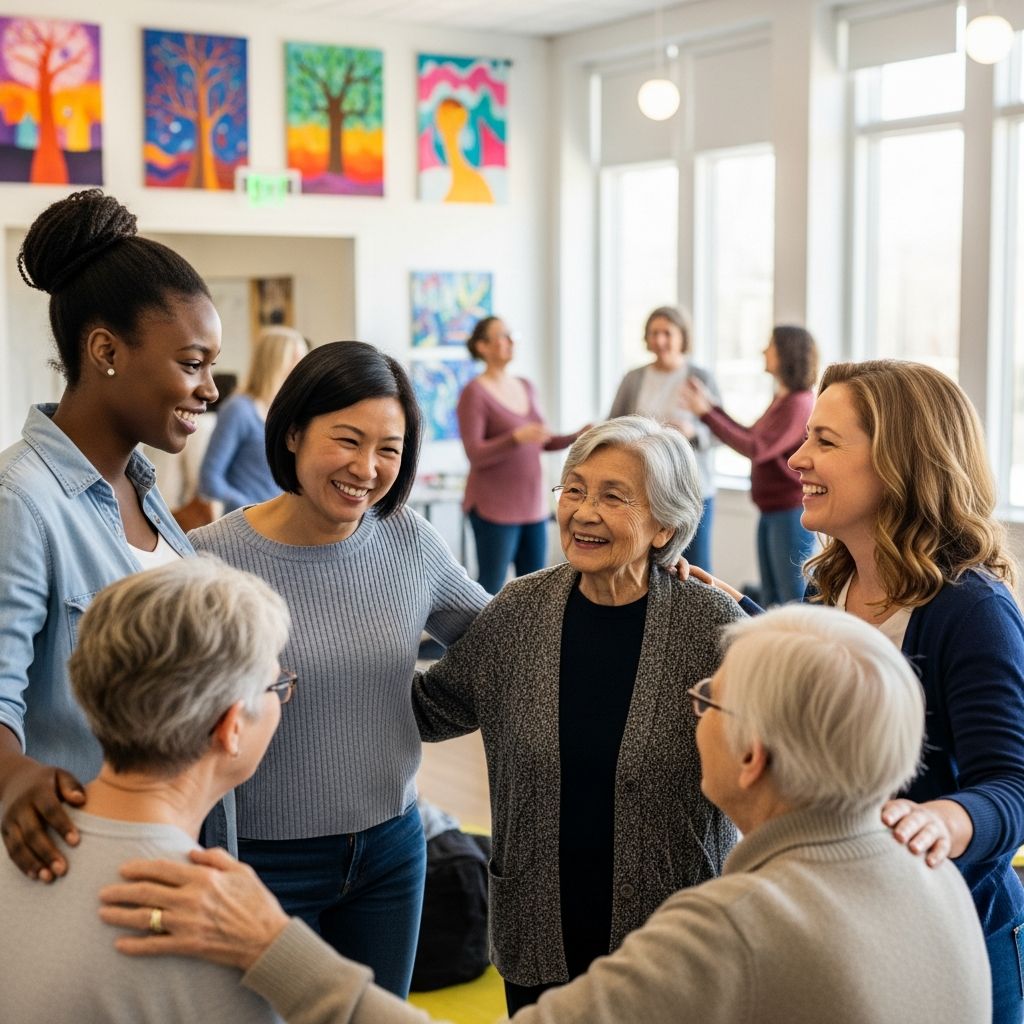
Gendered expectations in family caregiving reveal deep societal biases, where daughters shoulder disproportionate responsibilities for aging parents, often at great personal cost. This pattern underscores a broader issue: empathy for women’s challenges frequently hinges on personal connections like having a daughter, rather than universal recognition of shared humanity.
The Uneven Burden of Family Caregiving
Across households worldwide, the task of tending to elderly relatives overwhelmingly lands on women’s shoulders, particularly daughters. Research consistently shows that daughters dedicate significantly more time to these duties than sons. For instance, one sociological analysis found daughters averaging 12.3 hours per month on elderly parent care, compared to sons’ 5.6 hours. This disparity persists even when daughters juggle full-time jobs, childcare, and household management, highlighting how traditional roles amplify their loads.
Sons, by contrast, often limit involvement to financial oversight or step in only when no sisters are available. A Princeton University study notes that sons’ caregiving correlates primarily with the absence of other helpers, like sisters or a surviving spouse, rather than their own constraints. This selective participation reinforces a cycle where women manage the intimate, labor-intensive aspects—bathing, feeding, medical appointments—while men handle less hands-on tasks.
- Daughters provide hands-on personal care, such as grooming and transportation, which studies describe as gentle and supportive.
- Sons reduce efforts if a sister exists, increasing daughters’ responsibilities.
- Employment and childcare constrain daughters more acutely, yet they persist in caregiving.
Roots in Traditional Gender Norms
These dynamics stem from entrenched cultural norms viewing caregiving as inherently feminine. Historical expectations positioned women as nurturers, a role that extends into elder care today. Academic explorations using feminist perspectives reveal how mother-daughter pairs navigate these pressures, balancing autonomy with connection. Daughters promote mothers’ independence by respecting decisions and minimizing intervention, adhering to a ‘principle of least involvement’ to preserve both parties’ self-sufficiency.
Men, socialized toward provider roles, rarely engage in emotional or physical caregiving. This division not only burdens women but perpetuates inequality. As one analysis observes, when finances intersect with care—like nursing home costs—daughters bear the emotional weight alongside practical duties.
| Gender | Average Monthly Care Hours | Primary Tasks | Influencing Factors |
|---|---|---|---|
| Daughters | 12.3 | Personal care, appointments, daily support | Jobs, childcare constraints |
| Sons | 5.6 | Financial management | Presence of sisters/spouse |
This table summarizes key disparities from sociological data, illustrating how family composition dictates load distribution.
Emotional and Professional Toll on Women
The consequences extend far beyond time commitments. Daughters face physical exhaustion, emotional strain, and career setbacks. Coordinating doctor visits, managing medications, and providing soothing personal care—like brushing hair or clipping nails—demands relentless energy. One account details a woman in her forties handling groceries, lawn care, bill payments, and transport for non-driving parents, all while maintaining her career.
Financial pressures compound this: eldercare costs can drain savings, forcing women to navigate programs like Medicaid for long-term support. Career impacts widen gender gaps in earnings and health, as caregiving interrupts professional growth. Research warns that these hidden labors hinder societal progress toward equality, despite advances since the 1970s.
Psychosocial dynamics add complexity. In successful mother-daughter relationships, attentiveness fosters connection—daughters remain responsive even to frail mothers, who in turn acknowledge daughters’ competing obligations like child-rearing. Yet, in strained pairs, mutual disengagement erodes bonds, emphasizing the need for balanced reciprocity.
Challenging the ‘Daughter Effect’ in Empathy
Society often observes men advocating for women’s rights more vocally after fathering daughters—a phenomenon dubbed the ‘daughter effect.’ While personal ties can spark awareness, true progress demands empathy untethered from family. Why must a father’s concern for healthcare access, workplace equity, or violence prevention await a daughter’s birth? Universal advocacy benefits everyone, dismantling biases that overburden women universally.
This selective caring mirrors caregiving imbalances: just as sons defer to sisters, broader society expects women to manage vulnerabilities without equivalent male investment. Shifting this requires cultural reframing—promoting shared responsibilities in families and advocacy circles alike.
Strategies for Equitable Family Support
Families can redistribute loads through open dialogue and planning. Early discussions about aging parents’ needs prevent defaulting to daughters. Professional services, like home health aides, alleviate burdens, allowing sons greater involvement in emotional support.
- Involve all siblings in care plans, assigning tasks based on strengths rather than gender.
- Utilize community resources, such as Medicaid long-term care programs.
- Prioritize self-care for caregivers to sustain long-term involvement.
Policy interventions matter too. Governments could expand paid family leave and subsidies, recognizing caregiving’s gendered toll. Research supports models where mothers and daughters co-create autonomy-respecting care, a blueprint for inclusive dynamics.
Building Broader Societal Compassion
To extend care beyond daughters, education plays a pivotal role. Programs highlighting gender biases in caregiving foster empathy in men and women alike. Community groups, like online forums for ‘working daughters,’ provide solidarity— one such network grew to nearly 5,000 members, offering pandemic-era advice on eldercare dilemmas.
Media narratives should amplify diverse stories, showing women’s struggles as collective concerns. When men engage as allies—volunteering in shelters or supporting equal pay—they model unconditional advocacy.
Frequently Asked Questions
Why do daughters provide more elder care than sons?
Daughters average twice the hours due to societal norms and personal constraints like jobs, while sons contribute less unless no sisters are present.
What are the health impacts of caregiving on women?
Caregivers face heightened stress, career disruptions, and financial strain, exacerbating gender health disparities.
How can families balance caregiving responsibilities?
Through shared planning, professional help, and respecting autonomy, as seen in attentive mother-daughter interactions.
Does having a daughter change men’s views on women’s issues?
Often yes, but society should cultivate empathy for all women to avoid conditional advocacy.
What resources help with elder care costs?
Programs like Medicaid long-term care offer support, easing burdens on family caregivers.
Paths Forward: Inclusive Empathy
Overcoming gendered caregiving requires dismantling norms that tie women’s value to relational roles. By promoting equitable family roles and universal advocacy, society honors all women—not just as daughters, but as equals deserving proactive care and respect. This shift promises healthier families and a fairer world.
References
- Why Does Nursing Care Often Fall Upon Daughters? (Part I) — JDKatz. Accessed 2026. https://jdkatz.com/why-does-nursing-care-often-fall-upon-daughters-understanding-the-gender-bias-part-i/
- Ties Between Aging Mothers and Their Caregiving Daughters — Oxford Academic (Psychological Science on Aging). 2004-06-01. https://academic.oup.com/psychsocgerontology/article/59/6/S324/589728
- Daughters Provide as Much Elderly Parent Care as They Can, Sons Do as Little as Possible — American Sociological Association. 2014. https://www.asanet.org/daughters-provide-much-elderly-parent-care-they-can-sons-do-little-possible/
- Sons vs. Daughters: The Role of Gender in Caring for Aging Parents — AgingCare. 2014. https://www.agingcare.com/articles/daughters-care-more-for-parents-than-sons-171474.htm
- Women Share How They Balance Caregiving, Children, and Careers — Brain & Life. Accessed 2026. https://www.brainandlife.org/articles/how-women-balance-caregiving-children-careers