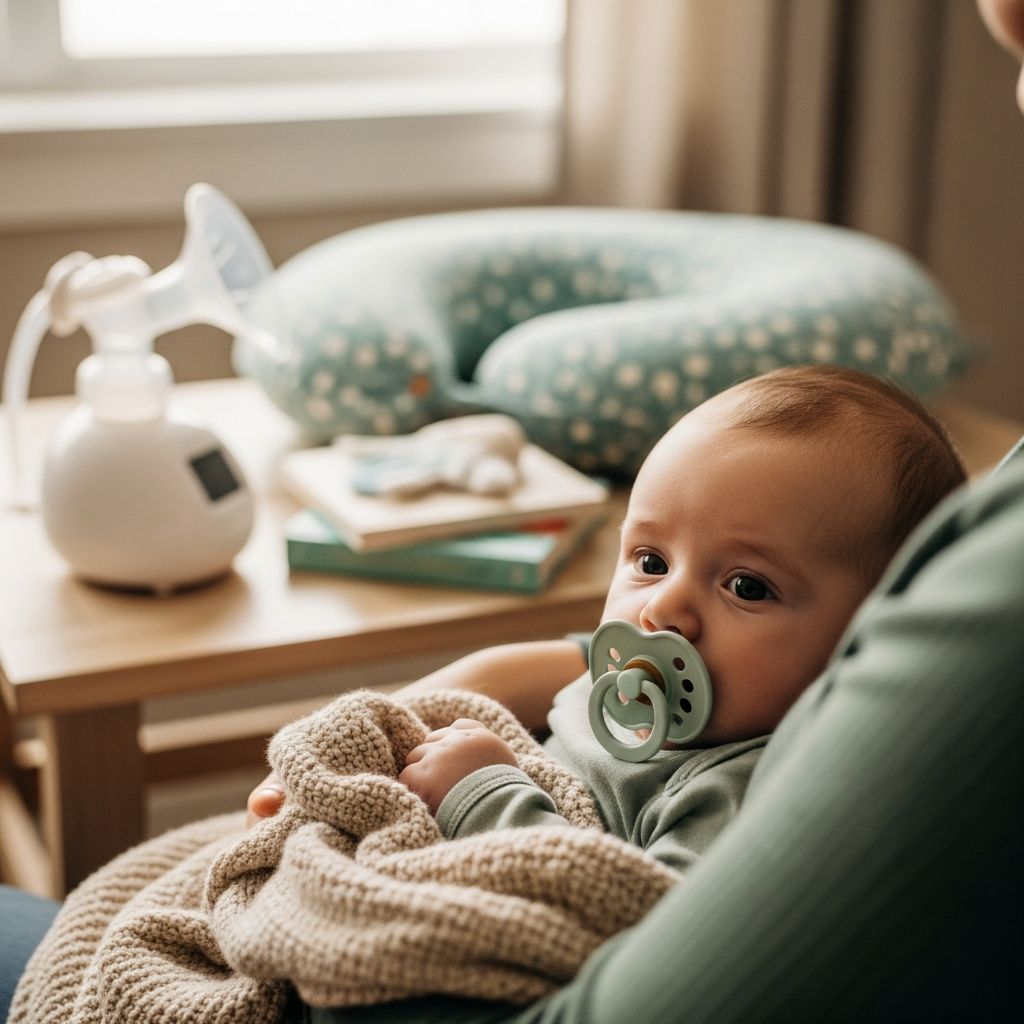
Many exhausted parents eventually encounter some version of the “cry-it-out” sleep prescription: put the baby down awake, walk away, and let the crying run its course until sleep finally comes. The most famous of these approaches is often linked with the so-called graduated extinction or Ferber-style method.
Before any family commits to a plan that involves leaving a baby alone to cry, it helps to understand how infant brains develop, how stress biology works, and what messages babies absorb from repeated nighttime experiences. This article explores the concerns many clinicians and attachment-oriented parents raise about cry-it-out and offers gentle, connection-focused alternatives that still respect everyone’s need for sleep.
What “Cry-It-Out” Really Means
“Cry-it-out” is an umbrella term for behavioral sleep training strategies designed to reduce or eliminate parental response to nighttime crying so that a child eventually falls asleep independently. A well-known version is the Ferber method, which uses timed check-ins while mostly withholding comfort.
These methods are usually framed as ways to teach “self-soothing” and break so-called “negative sleep associations,” such as nursing, rocking, or parental presence at bedtime. Supporters often emphasize short-term improvements in how quickly a child falls asleep or how rarely they call out at night.
- The core assumption is that sleep problems are primarily behavioral, not relational or developmental.
- The main tool is a structured withdrawal of caregiver response to crying.
- Success is typically defined as fewer night wakings or less signaling, not necessarily better emotional wellbeing.
How Babies Experience Nighttime
Newborns and young infants do not wake at night to frustrate their parents; they wake because their nervous systems and sleep cycles are immature, their stomachs are small, and their need for proximity to a caregiver is biologically wired.
For a baby, nighttime is not just about sleep; it is a recurring emotional test of whether someone will come when distress is communicated. Over thousands of repetitions, the baby’s brain builds expectations about the world: “Am I safe? Does comfort arrive? Are my signals effective?”
Attachment, Trust, and Night Waking
Attachment theory describes how children form deep emotional bonds based on the predictability and sensitivity of caregiver responses. Babies whose distress is met with warmth and reliability generally develop a secure attachment and an expectation that the world is safe and people are dependable.
When a baby is left to cry without comfort, especially repeatedly and for extended periods, some experts worry that the child may internalize a different message: that distress is either futile to express or unwelcome. Over time this may shape how the child regulates emotions and seeks support.
Stress, Cortisol, and the Developing Brain
Crying is not just sound; it is a full-body stress response. Heart rate rises, breathing changes, and the stress hormone cortisol is released. Short, quickly resolved episodes are expected and manageable, but prolonged distress without comfort keeps stress systems activated.
Critics of cry-it-out approaches argue that repeatedly exposing infants to intense distress without prompt soothing can normalize elevated stress responses and potentially influence how the brain wires itself to manage fear and connection. This concern is particularly strong for very young babies, whose stress regulation depends almost entirely on caregiver support.
| Situation | Physiological Response | Emotional Learning |
|---|---|---|
| Crying with rapid caregiver comfort | Stress hormones rise briefly, then fall as baby is soothed. | “When I am upset, someone helps; my signals work.” |
| Crying for long periods without comfort | Stress hormones stay elevated for longer, and the baby eventually becomes quiet from exhaustion. | “Crying does not bring help; it may be safer to shut down or stop signaling.” |
Does Quiet Equal Calm?
One of the most important misunderstandings about cry-it-out is equating silence with self-soothing. A baby who no longer cries at night may have learned to regulate alone, but may also have learned that signaling is ineffective. Behavior can change while underlying stress or fear remains.
Sleep training research often measures external outcomes, such as how long it takes a child to fall asleep, without fully capturing the inner emotional state. This makes it hard to claim conclusively that a quiet baby is a content baby rather than a resigned one.
Limitations of the Evidence
Some studies report no clear long-term harm from behavioral sleep training, but even those papers usually acknowledge important limits: small sample sizes, reliance on parental report, and a focus on broad developmental milestones rather than subtle emotional patterns.
Moreover, many clinical and observational accounts describe distressed parents who felt pressured into cry-it-out and later regretted overriding their instincts to respond, suggesting that psychological impact on caregivers also matters.
Parents’ Emotions Matter Too
Parents often describe intense anxiety, guilt, and even physical distress when asked to ignore their baby’s cries at night. For many, every fiber of the body and mind is signaling “Go pick up the baby,” and suppressing that response can feel like a betrayal of both self and child.
When caregivers force themselves through a method that feels wrong, any short-term sleep gains may come at a cost: increased tension, resentment, or disconnection from the baby and from their own intuition. A sustainable approach to sleep should support the mental health of everyone involved.
When Behavioral Sleep Training Is Especially Risky
Even proponents of cry-it-out-type methods usually caution against using them with very young infants, children with medical problems, or families dealing with trauma. Younger babies typically still require night feeds and are especially dependent on adults for emotional regulation.
Children affected by chronic illness, pain, neurodevelopmental differences, or prior adversity may interpret unresponded crying through an even more vulnerable lens, potentially compounding fear and insecurity. In such contexts, attachment-focused and medically informed guidance is essential.
Why Gentle, Responsive Sleep Support Works
A more connection-based view of infant sleep starts from different premises: that babies are biologically designed to need nighttime contact, that crying is communication rather than manipulation, and that relational safety is a foundation for healthy sleep.
When parents respond to night waking with warmth and predictable care, children gradually internalize a sense of security that can make independent sleep easier later on. Rather than forcing separation early, this approach accepts dependence as the path to eventual autonomy.
Practical Connection-Focused Strategies
Gentle sleep support does not mean parents must be awake and holding a baby all night forever. It means changes are introduced gradually, with responsiveness preserved and emotional signals honored. Small shifts can add up to better rest for the whole family.
- Create a consistent, calming pre-sleep routine with dim lights, quiet voices, and repeated rituals like a song or brief story.
- Offer closeness at bedtime—rocking, feeding, or cuddling—and then gently introduce more independent moments as the child seems ready.
- Use in-room settling (sitting nearby, patting, shushing) instead of leaving the room for long intervals.
- Address underlying needs such as hunger, temperature, illness, or overstimulation before focusing on behavior.
- Share nighttime duties with another adult where possible so one caregiver is not depleted beyond their limits.
Sample Gentle Bedtime Flow
The exact routine will vary by family, but the following is a template that prioritizes security while encouraging predictable patterns. It can be adjusted for age and temperament.
- Begin a wind-down period 30–45 minutes before sleep with quieter play and reduced stimulation.
- Move to a short sequence of predictable steps: diaper, pajamas, feed, song, cuddle.
- Lay the baby down drowsy or asleep, staying nearby with a hand on the body or soft voice if needed.
- If the baby cries intensely, pick up, comfort fully, and then try again when calm rather than timing or ignoring cries.
- Gradually, over days or weeks, reduce how much physical assistance is needed while keeping responsiveness intact.
Responding Without Burnout
Some caregivers worry that if they respond at night, sleep will never improve. In practice, many families find that as babies grow, their capacity for longer stretches of sleep expands naturally, especially when daytime connection and routines are strong.
To remain responsive without burning out, parents can combine realistic expectations with concrete supports: naps when possible, shared nighttime shifts, lowering nonessential obligations, and seeking practical or emotional help from trusted people or professionals.
Comparing Approaches at a Glance
| Feature | Cry-It-Out / Graduated Extinction | Gentle, Responsive Support |
|---|---|---|
| Core assumption | Child needs to learn to sleep independently by reducing parental response. | Child’s need for contact is valid; security supports eventual independence. |
| Parental response to crying | Limited, timed, or withheld to shape behavior. | Prompt, soothing contact; crying treated as communication. |
| Typical short-term outcome | Less signaling at night; baby may fall asleep faster. | Gradual improvement in sleep with continued night waking common in infancy. |
| Potential emotional cost | Risk of unrelieved distress for baby and distress or guilt for parent. | More parental fatigue if supports are lacking, but strong focus on trust and connection. |
| Fit for vulnerable infants | Generally not recommended for young babies or those with medical/trauma histories. | Better suited to infants needing extra reassurance and individualized care. |
Common Myths About Infant Sleep
There are a few persistent beliefs that can push parents toward harsher methods than they actually want to use. Challenging these myths can open space for more flexible, compassionate choices.
- Myth: Responding to cries spoils a baby. In reality, responsive care in the first year is strongly associated with secure attachment and healthier emotional regulation later on.
- Myth: Babies should sleep through the night by a specific age. Research shows wide variability in night waking patterns even among healthy infants and toddlers.
- Myth: If you don’t train now, you’ll never change things later. Many families successfully make gentle shifts toward independent sleep in toddlerhood or preschool years.
FAQs About Cry-It-Out and Gentle Sleep
Is any form of crying during sleep change harmful?
Crying is a natural way for babies to express confusion or resistance when routines shift. What matters most is whether crying is met with comfort and attunement, or whether it is left to escalate without support. Brief fussing in the arms of a responsive caregiver is different from prolonged, isolated distress.
What if a pediatrician recommends cry-it-out?
Medical professionals often focus appropriately on physical health and sleep quantity, but not all receive extensive training in infant mental health or attachment. Parents are allowed to weigh advice against their own values and instincts and to ask for alternatives that prioritize responsiveness while still addressing sleep concerns.
Can gentle methods really work for older babies and toddlers?
Yes, many older babies and toddlers can gradually shift to more independent sleep with approaches that maintain connection: staying in the room, offering repeated reassurance, and reducing physical help slowly over time. Progress may be slower than with abrupt withdrawal, but it often feels more emotionally sustainable for both child and caregiver.
What if my baby has already been through cry-it-out?
Attachment is remarkably resilient. Returning to responsive, predictable care—during both day and night—can strengthen trust even if earlier experiences felt less than ideal. Parents can focus on repairing through extra connection, play, and emotional availability.
How do partners who disagree find common ground?
Disagreements about sleep often reflect deeper needs: one person may crave rest to function, while the other prioritizes emotional security at all costs. Surfacing these needs, exploring evidence together, and seeking a compromise—such as shared night shifts or moderate changes that preserve responsiveness—can help couples move from conflict to collaboration.
Choosing a Path Aligned with Your Values
Every family’s circumstances, resources, and tolerances are different, but babies everywhere share a core need for safety, comfort, and predictable care. The more that sleep strategies honor those needs, the more likely children are to emerge from infancy with both restful nights and sturdy emotional foundations.
Parents are entitled to pursue better sleep without feeling pressured to ignore their own instincts or their baby’s signals. A gentle, connection-based approach invites rest and relationship to grow together rather than in competition with one another.