Crib bars are not just a traditional design choice; they are a carefully engineered safety feature that protects babies from falls, entrapment, and suffocation while allowing for airflow and visibility. Modern regulations tightly control how cribs and their bars are built so that parents can rely on them as the safest place for a baby to sleep when used correctly.
The Real Purpose of Crib Bars
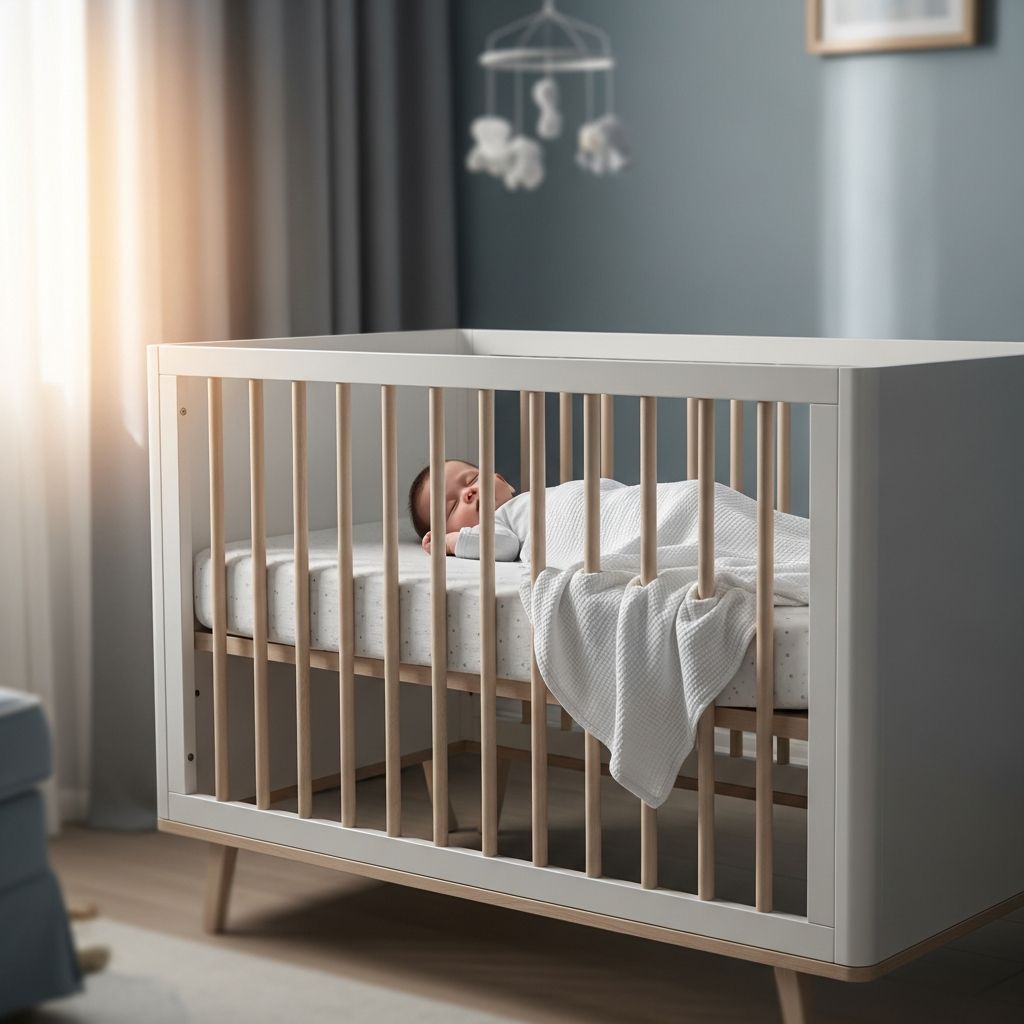
At first glance, crib bars can look like a miniature set of jail bars, but their purpose is the exact opposite: they create a controlled, protective boundary so babies can move, roll, and eventually pull to stand without easily falling out. The vertical slats form a strong frame that prevents babies from climbing over the sides while still giving them room to explore within a safe space.
Unlike solid-sided containers or soft play areas, barred cribs are designed to reduce specific risks such as being trapped against padding, overheating, or getting stuck in large gaps, all of which have been linked to injuries. Good visibility through the bars also helps caregivers quickly spot problems like an awkward sleep position, loose objects, or a baby attempting to climb.
How Bar Spacing Keeps Babies Safer
One of the most important features of any crib is the distance between the bars, which is strictly limited by safety standards to prevent a baby’s head from fitting between them. In the United States, guidelines state that slats should be no more than about 2 3/8 inches (around 6 centimeters) apart, a measurement chosen so that the head cannot pass through even as babies grow.
Bars that are too far apart can allow the head or torso to slip through, creating a risk of entrapment, while spacing that is too narrow usually indicates an old, non-compliant, or homemade design that has not been tested. Measuring the distance between slats with a simple ruler or card before use gives caregivers an easy way to verify that a crib meets current standards.
Benefits of Open, Barred Sides
Cribs with vertical bars and open sides support healthier airflow around a sleeping baby, helping to reduce overheating and allowing exhaled air to dissipate quickly. Good ventilation is one of the reasons why experts recommend avoiding high, padded bumpers or solid-sided sleep spaces that can trap warm air and exhaled carbon dioxide.
Open slats also make it easy for parents to check on their baby without leaning dangerously far over a high wall or disturbing sleep by picking the baby up unnecessarily. Being able to see your baby’s chest rise, note their position, or check whether their face is clear of blankets can prevent risky situations from going unnoticed.
Why Cribs Don’t Use Solid Walls
Solid-sided cribs or deep boxes may seem cozier or more stylish, but they can increase the risk of overheating and reduce the circulation of fresh air. A baby pressed against a soft, padded or solid surface is also at greater risk of suffocation, which is why organizations focused on child health recommend against thick bumpers or heavily padded crib liners.
Bare bars paired with a firm, well-fitted mattress create a simpler, safer environment in which there is less that can go wrong, even if a blanket or toy accidentally ends up near a baby’s face. This minimalist approach aligns with modern safe sleep guidelines that emphasize a clear crib with no extra pillows, quilts, or stuffed animals.
Modern Crib Safety Standards You Should Know
Over the past several decades, crib regulations have tightened dramatically, and many of the design changes revolve around how the sides and bars are built. Drop-side cribs, for example, are now banned in many places because hardware failures created dangerous gaps between the mattress and side rails where babies could become trapped.
Current safety standards typically require fixed, sturdy sides; slats that meet strict spacing limits; non-toxic finishes; and construction that does not wobble, bend, or break under normal use. Caregivers are advised to avoid older hand-me-down cribs that predate these standards, even if they appear charming, because subtle defects or outdated spacing can introduce serious hazards.
Key Design Features to Look For
- Fixed, non-drop sides that do not move or lower during regular use.
- Vertical bars spaced no more than about 2 3/8 inches apart across every side.
- A firm, tight-fitting mattress that leaves no gap between the mattress edge and the bars.
- Sturdy construction with no missing hardware, cracks, or loose slats.
- Non-toxic paints and finishes that do not peel or chip if a teething baby chews on the rails.
How Crib Bars Support Healthy Development
As babies grow, the crib becomes more than just a place to sleep; it turns into a safe space for practicing physical milestones such as rolling, pushing up, sitting, and eventually pulling to stand using the bars. The vertical slats offer handholds that help babies strengthen their muscles and coordination without an easy path to climb over the top edge.
Because the bars are spaced consistently and provide a firm structure, they allow babies to explore their environment while still keeping falls to a minimum when the mattress height is adjusted correctly. This combination of mobility and containment is part of what makes standard cribs safer than improvised sleep spaces like couches, adult beds, or deep baskets. [10]
Mattress Height and Climbing Risk
Even with properly spaced bars, a crib becomes less safe if the mattress is set too high for a baby who can sit or stand, because it reduces the effective height of the side rails. As babies begin pulling up and attempting to climb, caregivers should lower the mattress to its lowest safe setting so that the top of the rails remains well above the baby’s chest. [10]
Many crib accidents occur when curious toddlers use their new skills to climb or lean over the side, which is why experts recommend transitioning to a toddler bed once the child can climb out or when the rail height no longer provides an effective barrier. Monitoring for these developmental changes is just as important as choosing a safe crib design in the first place. [10]
Common Misconceptions About Crib Bars
One common concern is that babies will get their limbs stuck between the bars, leading some caregivers to consider thick bumpers or heavy padding. While it is possible for arms or legs to slip through briefly, modern spacing standards aim to prevent serious entrapment, and short-lived limb tangles are usually far less dangerous than the suffocation risk posed by padded bumpers.
Another misconception is that soft rail covers or bumpers are needed to protect a baby’s head from the hard bars, but health organizations and pediatric experts warn that these products can create breathable-obstruction hazards or be used as a step for climbing. Lightweight, breathable options that fully comply with safety standards may be marketed, but a bare crib with no loose fabric is still widely regarded as the safest choice.
Misconceptions vs. Reality Table
| Belief | Reality |
|---|---|
| “Bars are dangerous because limbs get stuck.” | Modern bar spacing is designed so the head cannot pass through, and brief limb tangles are usually minor compared to other risks. |
| “Thick bumpers are needed to protect baby from the bars.” | Padded bumpers increase suffocation, strangulation, and entrapment risks and are not recommended by major health organizations. |
| “A used or antique crib is fine if it looks sturdy.” | Older cribs may not meet spacing or hardware standards and can have hidden structural defects. |
| “Mesh sides or liners are always safer.” | Breathable designs can help when properly built in, but loose add-on liners or covers can still pose hazards if they detach. |
Setting Up a Safe Crib with Bars
A safe crib setup is simple and uncluttered, centering on the barred frame, a firm mattress, and a fitted sheet. Extra items like pillows, comforters, stuffed animals, and thick bumpers increase the chances of suffocation or overheating and are not recommended for sleeping babies.
Regularly checking that all screws are tight, bars are intact, and the mattress still fits snugly ensures that the protective structure continues to work as intended. If the crib is moved, reassembled, or passed between rooms, a quick inspection helps catch any new issues such as missing hardware or loosened joints.
Safe Crib Setup Checklist
- Use only the original hardware provided with the crib, tightened securely according to manufacturer instructions.
- Confirm that every bar is firmly attached, straight, and free of cracks or splinters.
- Place a firm, properly sized mattress that leaves no more than a hairline gap around the edges.
- Cover the mattress with a tightly fitted sheet designed for crib use only.
- Keep the crib interior bare: no pillows, heavy blankets, stuffed animals, or padded bumpers.
- Position the crib away from cords, blinds, and shelves that a child could reach through or over the bars.
When to Replace or Retire a Crib
Even a well-built crib with safe bars has a lifespan, especially when it has been moved, stored, or used by multiple children. Visible cracks in the wood or metal, missing bars, peeling paint, or recurrent looseness in the hardware are signs that a crib should be retired rather than repaired at home.
Another key moment to reassess is when a toddler repeatedly attempts to climb out, because a crib that once served as a safe enclosure can quickly turn into a fall risk. At that stage, caregivers are usually better off transitioning to a toddler bed or floor bed with appropriate rails instead of relying on the crib’s barred sides. [10]
FAQs About Crib Bars and Baby Safety
Are crib bars safer than mesh or solid sides?
Properly spaced crib bars on a modern, standard crib are considered very safe when paired with a firm mattress and bare sleep environment, and they offer strong structure plus good airflow. Mesh or solid-sided products must meet the same safety principles—no entrapment risk, adequate ventilation, and secure construction—before they can be considered comparable options.
What if my baby bumps their head on the bars?
Light bumps are usually part of normal movement as babies learn to roll and sit, and the greater danger typically comes from soft objects that can block breathing rather than from the firm bars. Pediatric and safety organizations generally prefer bare bars over padded bumpers because the risk of suffocation from padding is more serious than occasional minor bumps.
Can I use rail covers to protect the crib from teething marks?
Thin, securely attached rail covers designed to meet safety standards may help protect the crib finish, but any loose or padded item that could fall into the sleep area or be used as a step increases risk. Health and consumer groups warn that some covers and bumpers can contribute to suffocation or climbing accidents, so choosing minimally padded, well-secured products—and avoiding them altogether for younger infants—is often recommended.
How often should I inspect the bars and hardware?
Regular inspections at least monthly, and after any move, reassembly, or major growth stage, help ensure the bars remain secure and the mattress height is appropriate. Looking for loosened screws, wobbling sides, or newly widened gaps between the mattress and the bars should become a routine part of nursery maintenance.
Is it safe to use an older crib that seems sturdy?
Even if an older crib appears solid, it may not meet current standards for bar spacing, hardware strength, or banned features such as drop sides, making it riskier than new models built under modern regulations. Because safety rules have changed to address real-world injuries and deaths, experts usually advise against using antique or pre-standard cribs for regular sleep.
Putting It All Together
Crib bars exist because they successfully balance structure, visibility, and airflow, creating a safe zone where babies can sleep and grow with reduced risk of falls, entrapment, or suffocation. When combined with proper bar spacing, a firm mattress, appropriate height adjustments, and a clutter-free interior, they form the backbone of a safe sleep setup for modern families.
For caregivers, the most important steps are to choose a crib that meets current standards, use it exactly as intended, and resist the urge to add extra soft items or modifications that could undermine its design. Understanding the purpose behind those simple-looking bars makes it easier to appreciate their role in keeping babies safe, night after night.