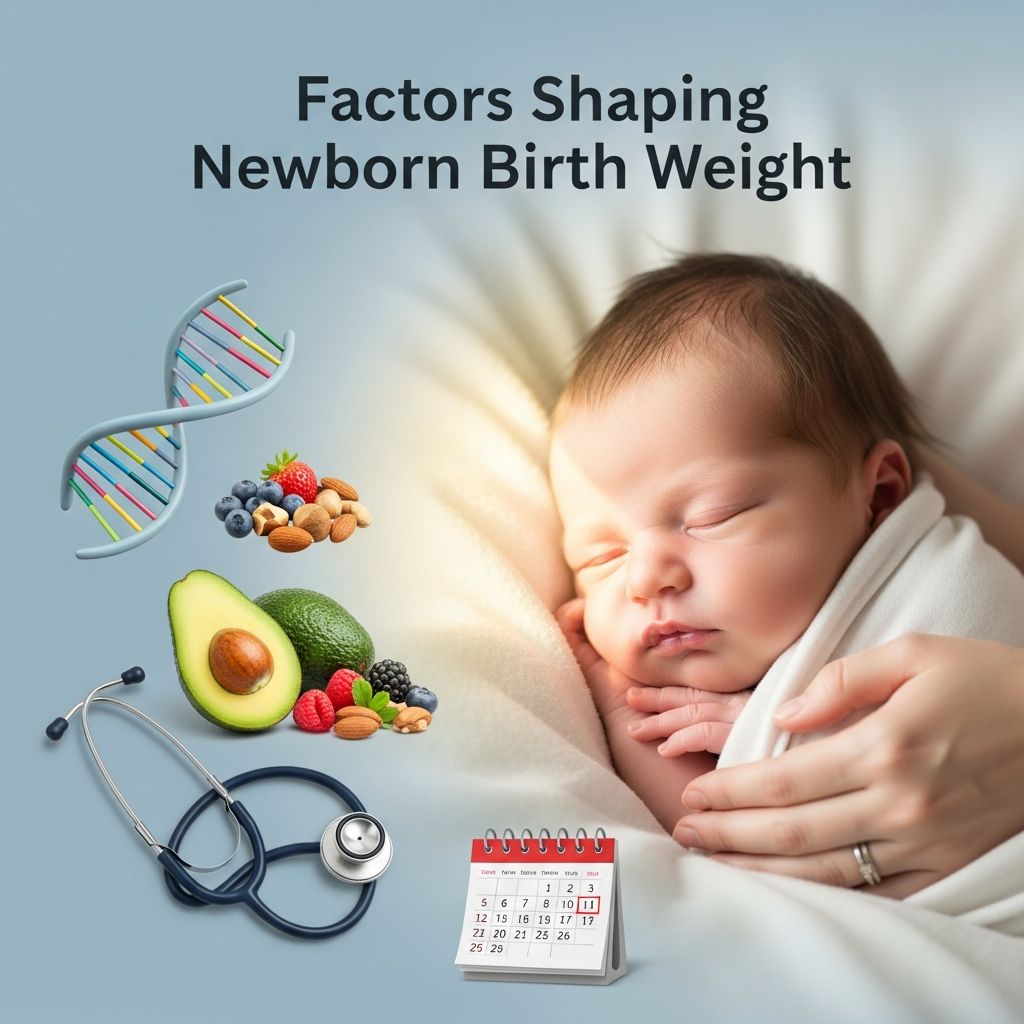
A newborn’s birth weight serves as a vital indicator of health, reflecting the intricate interplay of biological, environmental, and lifestyle elements during pregnancy. Typically ranging from 2.5 to 4 kilograms, deviations can signal potential challenges ahead. This comprehensive guide delves into the primary determinants, drawing from established medical insights to empower expectant parents with knowledge for healthier pregnancies.
Genetic Foundations of Birth Weight
Genetics lay the cornerstone for a baby’s size at birth, with contributions from both parents shaping fetal development. Parental stature and prior birth outcomes often predict newborn weight patterns. Small-statured parents tend to have smaller infants, while larger parents may deliver bigger babies.
Recent research highlights paternal influence through specific genes like Insulin-like Growth Factor 2 (IGF2), which promotes early fetal growth. Higher paternal IGF2 expression correlates with increased birth weight, approximately 63 grams per relative expression unit, underscoring how fathers’ genetic input drives initial expansion in the womb.
Maternal genetics also play a role, particularly in conditions like genetic syndromes that restrict intrauterine growth. Families with histories of low birth weight babies face higher recurrence risks, emphasizing the hereditary component.
Maternal Health and Its Profound Impact
The mother’s overall health profoundly affects nutrient delivery to the fetus via the placenta. Conditions such as pregnancy-induced hypertension (PIH) significantly elevate low birth weight risks, with odds ratios up to 3.3. High-risk pregnancies, marked by factors like poor obstetric history or Rh-negative status, further compound vulnerabilities.
Pre-existing issues like diabetes can lead to macrosomia, where babies exceed 4.5 kilograms, complicating delivery and raising injury risks. Conversely, maternal undernutrition or anemia restricts growth, often resulting in intrauterine growth restriction (IUGR).
Age matters too: Teen mothers under 15 face heightened low birth weight probabilities due to immature physiology, while women over 35 experience increased odds from age-related complications.
| Maternal Condition | Effect on Birth Weight | Risk Level |
|---|---|---|
| Pregnancy-Induced Hypertension | Decreases | High (OR 3.3) |
| Diabetes | Increases | High |
| Anemia | Decreases | Moderate |
| Age >35 | Decreases | Elevated (OR 4.0) |
Nutrition: Fueling Fetal Growth
Adequate maternal nutrition is paramount, with calorie and protein intake directly linking to newborn size. Studies show insufficient calories raise low birth weight odds by 4.9 times, while low protein intake increases risks by 2.1. Weight gain below 4 kg during pregnancy heightens dangers sevenfold.
Maternal weight at term is crucial; under 45 kg correlates with a 2.3 odds ratio for low birth weight. Balanced diets rich in proteins, vitamins, and minerals support placental function and fetal organ development, preventing IUGR.
- Key Nutrients: Proteins for tissue building, iron to combat anemia, folate for neural growth.
- Daily Goals: 300 extra calories in second trimester, 450 in third; total gain 11-16 kg for normal BMI mothers.
- Deficiencies: Linked to 22% low birth weight prevalence in some populations.
Lifestyle Choices and Environmental Risks
Daily habits profoundly sway birth outcomes. Smoking, alcohol, and drug use impair placental blood flow, consistently producing smaller babies. Exposure to passive smoke or illicit substances mirrors these effects.
Physical overexertion, especially in low socioeconomic settings, correlates with reduced fetal nourishment. Late prenatal care registration triples low birth weight risks (OR 3.6), as early interventions mitigate complications.
Socioeconomic factors like poor sanitation or family customs indirectly influence via nutrition and care access. Optimizing rest, avoiding toxins, and scheduling regular check-ups form a proactive defense.
Gestational Timeline and Multiples
Gestational duration is pivotal; preterm births before 37 weeks account for most low birth weights, as final weeks add substantial mass. Prolonged pregnancies can yield heavier babies, but risks like post-term complications arise.
Multiple gestations inherently produce lighter infants, with over half of twins qualifying as low birth weight due to shared resources. First pregnancies or short inter-pregnancy intervals (under 18 months) also tilt toward smaller sizes.
Predicting and Monitoring Birth Weight
Healthcare providers estimate fetal weight via ultrasounds, fundal height, and maternal factors, aiding decisions on delivery mode. For suspected macrosomia over 4.5 kg, cesarean considerations reduce trauma risks.
Low birth weight vigilance involves serial growth scans for IUGR detection. Post-delivery, weights guide neonatal care; below 2.5 kg prompts warming, feeding support, and infection watches.
Health Implications of Birth Weight Extremes
Low birth weight babies face immediate hurdles: hypothermia, hypoglycemia, jaundice, and respiratory distress. Long-term, they risk type 2 diabetes, cardiovascular disease, and developmental delays.
High birth weight elevates cesarean needs, shoulder dystocia, and neonatal blood sugar issues. Both extremes underscore prevention’s value through holistic prenatal management.
Strategies for Ideal Birth Weight Outcomes
Empower your pregnancy with these evidence-based steps:
- Attend all antenatal visits early; aim for 8+ in low-risk cases.
- Maintain balanced nutrition; consult dietitians for personalized plans.
- Achieve recommended weight gain: BMI-based targets prevent extremes.
- Quit smoking/alcohol; manage chronic conditions pre-conception.
- Monitor blood pressure and hemoglobin routinely.
Integrated approaches blending medical oversight, education, and socioeconomic support yield the best results, reducing low birth weight incidences significantly.
Frequently Asked Questions
What is considered a normal birth weight?
A normal range is 2.5 to 4 kg (5.5 to 8.8 lbs), with averages around 3.4 kg for full-term singles.
Can diet alone prevent low birth weight?
Diet is crucial but works best with comprehensive care; calorie deficits raise risks fourfold despite other positives.
Does paternal health affect birth weight?
Yes, via genes like IGF2 influencing early growth; lifestyle indirectly impacts through fetal genetics.
Are multiples always low birth weight?
Often, yes—over 50% of twins are—but optimized care can mitigate.
How does previous low birth weight baby affect next?
It raises recurrence risks; enhanced prenatal strategies are essential.
References
- Factors Affecting Birth Weight of a Newborn — National Institutes of Health (NIH). 2012-07-06. https://pmc.ncbi.nlm.nih.gov/articles/PMC3390317/
- Father’s gene linked to baby’s birth weight — Great Ormond Street Hospital (GOSH). 2014-01-15. https://www.gosh.nhs.uk/press-releases/father-s-gene-linked-baby-s-birth-weight/
- Low Birth Weight — Stanford Medicine Children’s Health. Accessed 2026. https://www.stanfordchildrens.org/en/topic/default?id=low-birth-weight-90-P02382
- Birth Weight — MedlinePlus (U.S. National Library of Medicine). Accessed 2026. https://medlineplus.gov/birthweight.html
- 10 Factors That Affect A Baby’s Birth Weight — Marsden Weighing. Accessed 2026. https://www.marsden-weighing.co.uk/blogs/news/factors-affect-baby-birth-weight
- Low Birthweight — Children’s Hospital of Philadelphia (CHOP). Accessed 2026. https://www.chop.edu/conditions-diseases/low-birthweight
- Worried about having a big baby? Four things to know — UT Southwestern Medical Center. Accessed 2026. https://utswmed.org/medblog/big-baby-birth/