Understanding Why Children Resist School
When a child expresses reluctance about attending school, parents often face a challenging situation that demands patience, investigation, and thoughtful response. School avoidance or resistance is not simply stubbornness or laziness; it typically signals an underlying concern that deserves serious attention. The reasons children resist school attendance vary widely and may include anxiety about academic performance, social difficulties with peers, conflicts with teachers, fear of specific situations, or personal challenges occurring outside the school environment.
Understanding the root cause of your child’s resistance is the critical first step toward resolution. Rather than immediately requiring attendance without investigation, parents benefit from taking time to listen carefully to their child’s concerns and observing patterns in their behavior and expressed worries. This foundation of understanding allows you to respond appropriately and implement strategies that address the actual source of the problem rather than treating only the symptom of school avoidance.
Identifying Underlying Causes
Children may resist school for reasons entirely different from what parents initially assume. Some children struggle with separation anxiety, fearing that something bad might happen to a parent while they are away. Others experience social anxiety or have difficulties forming friendships with classmates. Academic struggles, learning disabilities, or feeling overwhelmed by schoolwork can also trigger resistance to attendance. Additionally, some children may be experiencing bullying, struggling with self-esteem, or dealing with changes at home that make school feel like an additional stressor.
Physical health issues sometimes play a role as well. Chronic illnesses, undiagnosed learning disabilities, hearing or vision problems, or food allergies can all contribute to a child’s desire to avoid school. Some children may not clearly communicate these physical concerns, instead expressing their discomfort through behavioral resistance. Taking time to observe and ask open-ended questions helps parents and educators understand what their child is actually experiencing.
The Communication Foundation
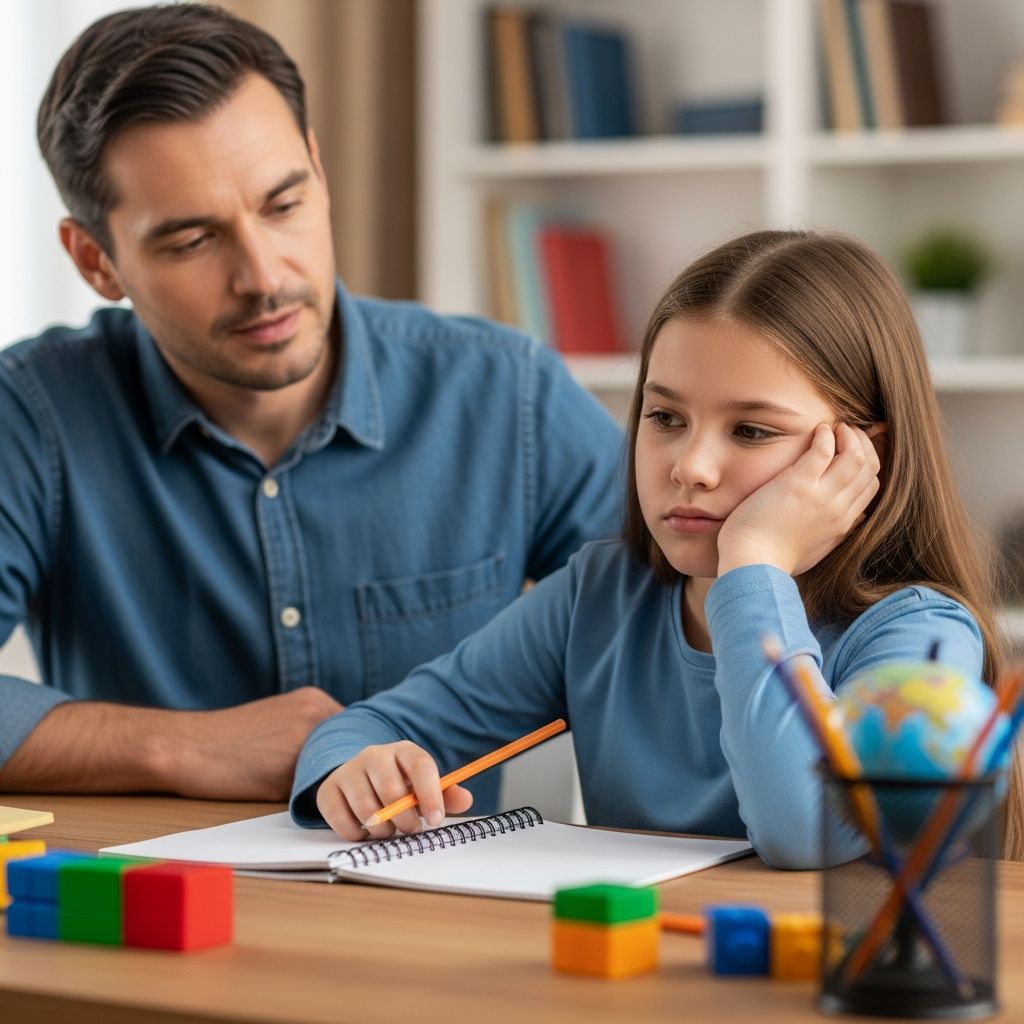
Effective communication with your child begins with creating a safe space where they feel heard without judgment. Rather than immediately dismissing concerns or enforcing attendance, sit down during a calm moment and ask open-ended questions about their school experience. What specifically makes them not want to go? Is it a particular subject, person, situation, or time of day? Do they feel scared, sad, embarrassed, or overwhelmed?
Listen more than you talk during these conversations. Allow your child to express their feelings fully before offering solutions. This approach accomplishes two things: it provides you with valuable information about the actual problem, and it helps your child feel validated and supported, which strengthens your ability to work together on solutions.
Beyond conversations with your child, maintaining open communication with teachers, school counselors, and other school personnel is essential. They observe your child in the school environment and may notice patterns or underlying issues that explain the resistance to attendance. Collaborative communication between home and school creates a unified approach that is far more likely to succeed than isolated efforts.
Building a Supportive Home Environment
The environment at home significantly influences a child’s willingness and ability to attend school. Children who feel secure, loved, and supported at home are more resilient when facing school challenges. Conversely, conflict, instability, or lack of emotional support at home can intensify school avoidance as children seek comfort in familiar surroundings.
Establishing consistent routines around school attendance helps normalize the expectation while reducing daily friction. This includes consistent bedtimes that ensure adequate sleep, morning routines that avoid rushing and stress, and family meals where connections are strengthened. When children feel emotionally secure at home and have their basic needs met, they develop greater capacity to manage the challenges and transitions that school requires.
Parents should also model positive attitudes toward education and attendance. When children see their parents valuing learning, managing their own responsibilities reliably, and approaching challenges with problem-solving rather than avoidance, they internalize these approaches. Conversely, if parents express negative views about school or suggest that avoiding responsibilities is acceptable, children pick up on these messages.
Practical Strategies for Encouraging Attendance
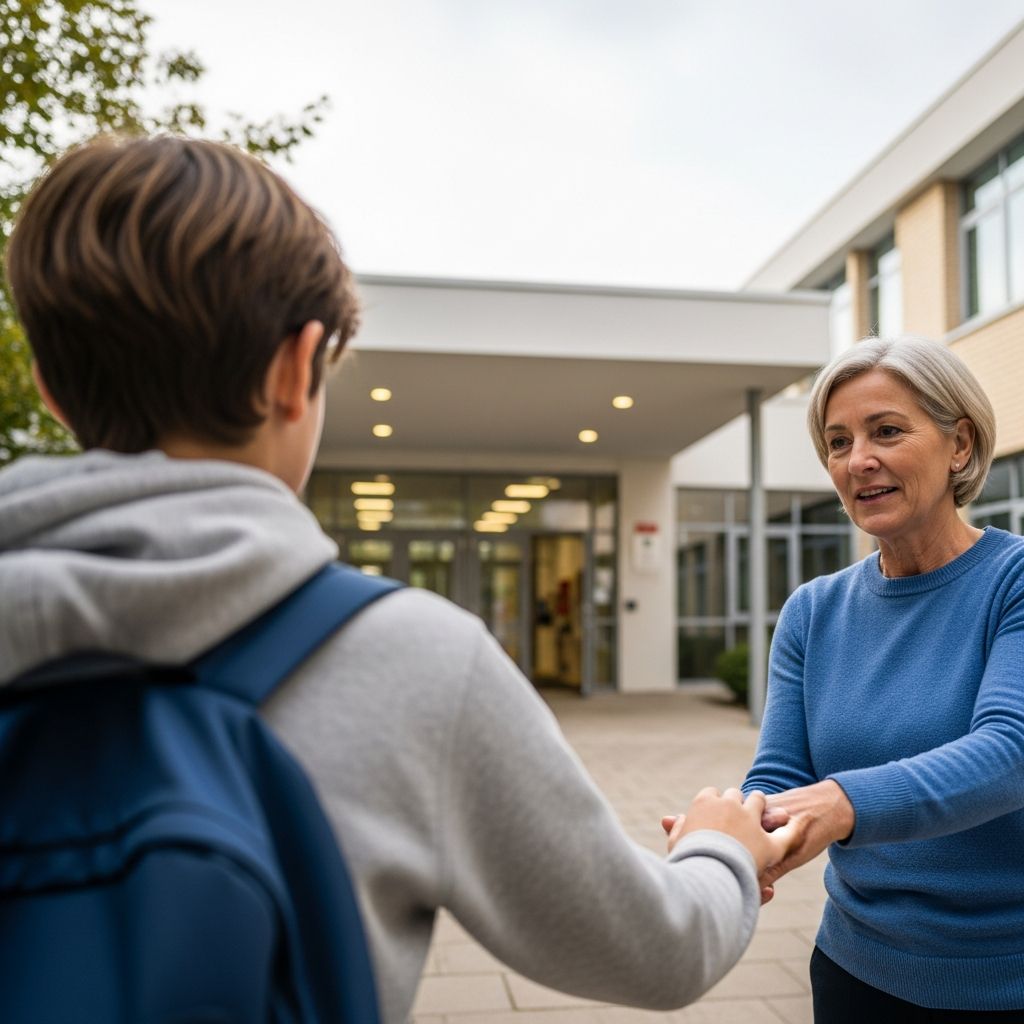
Once you understand why your child resists school, you can implement targeted strategies. For children experiencing anxiety, gradual exposure may help. This might mean starting with shortened school days and gradually increasing them, visiting the school during non-instructional times to build familiarity, or arranging for a trusted adult or peer to be available during particular anxiety-triggering times.
For children with social difficulties, facilitating friendships outside school through structured activities, arranging buddy systems where a supportive peer connects with your child, or working with school counselors to address social skills can help. Teachers may also be able to intentionally create classroom situations that allow your child to interact with compatible peers in low-pressure settings.
Academic support proves essential when schoolwork is overwhelming. This might include tutoring, working with teachers to modify assignments temporarily, or identifying learning disabilities that require specialized instruction. When children feel more capable academically, resistance often decreases.
For children dealing with specific fears or phobias related to school situations, systematic desensitization with professional support may be necessary. This therapeutic approach gradually exposes children to feared situations in manageable increments, helping them build confidence and reduce anxiety responses.
When Professional Support Becomes Necessary
While many instances of school resistance respond well to parental support and school collaboration, some situations warrant professional intervention. If your child’s resistance is severe, includes panic symptoms, or persists despite your efforts, consulting with a school psychologist, counselor, or mental health professional is appropriate.
Mental health professionals can identify anxiety disorders, depression, or other conditions contributing to school avoidance and provide evidence-based treatment. School psychologists and counselors can assess learning disabilities or other educational factors. Pediatricians can rule out physical health issues. Working with these professionals as a team, along with parents and teachers, creates comprehensive support addressing all contributing factors.
Maintaining Firm Expectations While Remaining Compassionate
An important balance exists between understanding your child’s struggles and maintaining the expectation that school attendance is non-negotiable. Children need to know that parents take their concerns seriously and will work to address problems, but that avoidance is not a solution. This requires firmness without harshness—clear expectations communicated with empathy.
Parents might say something like: “I understand that school feels difficult right now. I’m going to help you figure out what’s making it hard and work with your teacher to make it better. Even though it’s hard, you still need to go to school. Let’s solve this problem together.” This message validates the child’s experience while maintaining the boundary that attendance is expected.
Avoiding patterns where school avoidance is rewarded is crucial. If staying home from school results in preferred activities, comfort, or avoiding the anxiety-provoking situation, the behavior reinforces and becomes more entrenched. At-home days should not be pleasant or engaging; they should be quiet, low-stimulation, and separated from usual family activities.
Recognizing Progress and Building Resilience
As you work on addressing your child’s school resistance, celebrating progress helps maintain motivation. This might mean acknowledging effort rather than only outcomes—praising your child for going to school even when scared, trying a new coping strategy, or facing a difficult situation with courage. This shifts focus from “Did you go to school?” to “How did you handle the challenge?”
Building resilience is a long-term goal in addressing school resistance. Resilience—the capacity to bounce back from difficulty—develops through experiencing manageable challenges with appropriate support. Rather than protecting children from all discomfort, parents help children develop resilience by acknowledging that challenges exist while expressing confidence that the child can handle them with support.
Frequently Asked Questions
Should I let my child stay home if they complain about school?
Occasional absences due to legitimate concerns may be appropriate while you investigate, but patterns of avoidance should not be reinforced. Once you understand the issue, maintaining the attendance expectation while implementing support strategies is important.
How long does it typically take for school resistance to improve?
Timeline varies depending on the underlying cause and intervention approach. Some situations resolve in weeks, while others require months of consistent support. Professional intervention may expedite improvement.
Can my child’s resistance be a sign of a serious mental health condition?
Severe or persistent school avoidance can indicate anxiety disorders, depression, or other conditions warranting professional evaluation. If resistance is accompanied by panic symptoms, significant distress, or impairment in other areas of life, professional assessment is recommended.
What role does the school play in addressing attendance resistance?A: Schools can implement evidence-based interventions including mentoring support, positive reinforcement for attendance, communication with families about attendance importance, and tiered interventions addressing students’ specific needs and barriers to attendance.
Q: How can I differentiate between normal reluctance and genuine concerns?
Normal reluctance is occasional and situational; genuine concerns are persistent, accompanied by physical or emotional distress symptoms, and significantly impact daily functioning. Professional guidance helps distinguish between the two.
References
- School Attendance Improvement Strategies — California Department of Education. 2024. https://www.cde.ca.gov/ls/ai/cw/attendstrategy.asp
- How to Improve Student Attendance in Schools — Panorama Education. 2024. https://www.panoramaed.com/blog/attendance-interventions
- Addressing Chronic Absenteeism in Elementary School — Edutopia. 2024. https://www.edutopia.org/article/addressing-chronic-absenteeism-elementary-school/
- What Works: Attendance Issues and Solutions — National Association of Elementary School Principals (NAESP). 2024. https://www.naesp.org/resource/what-works-attendance-issues-and-solutions/
- How Schools Are Tackling Chronic Absenteeism — National Education Association (NEA). 2024. https://www.nea.org/nea-today/all-news-articles/how-schools-are-tackling-chronic-absenteeism
- To Solve Attendance Issues, Use Connections Not Suspensions — Grad Partnership. 2024. https://www.gradpartnership.org/suspensions/
- 3 Tiers of Intervention — Attendance Works. 2024. https://www.attendanceworks.org/chronic-absence/addressing-chronic-absence/3-tiers-of-intervention/