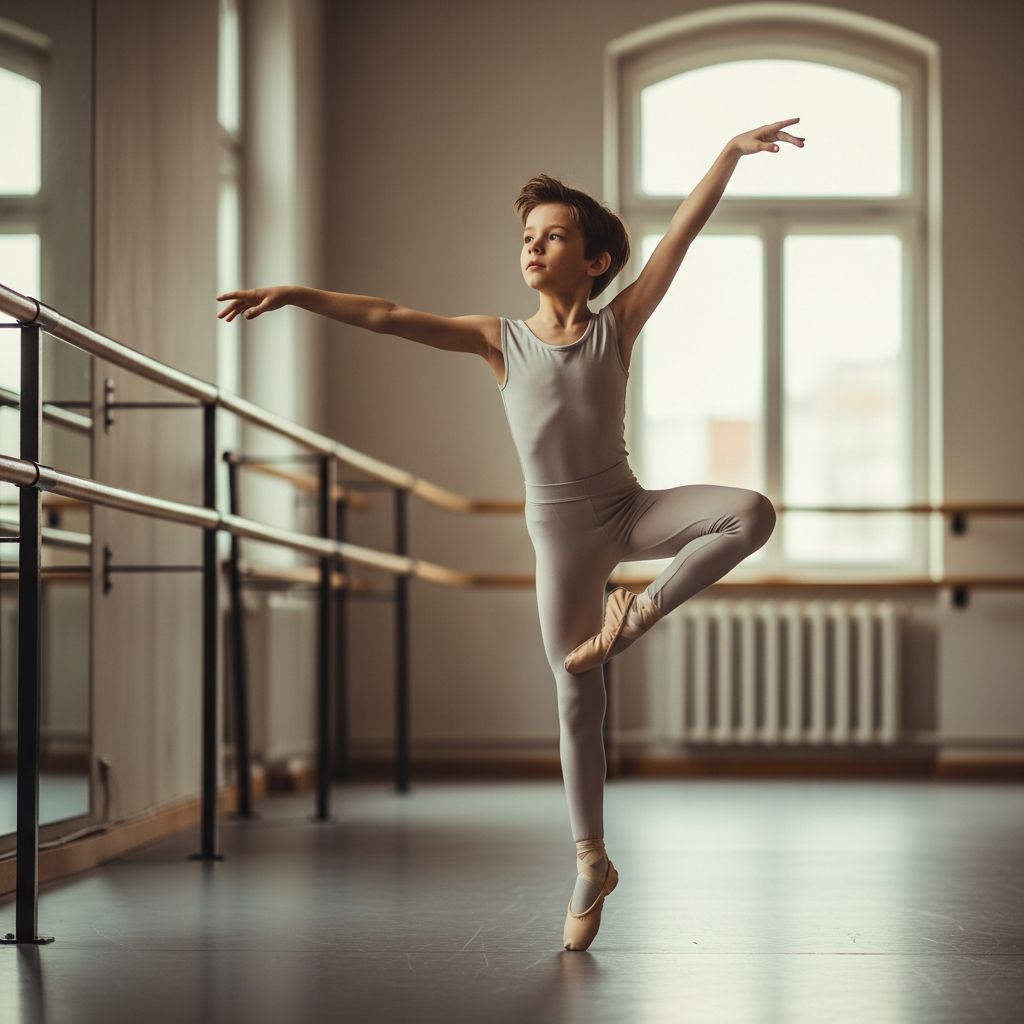
Ballet offers boys unparalleled physical conditioning, emotional growth, and performance opportunities, directly countering stereotypes that label it as a feminine pursuit. Participation rates among males are rising steadily, fostering inclusive environments where young dancers excel.
The Athletic Power of Ballet Training
Ballet demands rigorous physicality that rivals top sports, building core strength, endurance, and flexibility essential for peak athletic performance. Unlike casual activities, ballet engages every muscle group through precise movements like pliés, pirouettes, and grand jetés, enhancing balance and coordination that transfer seamlessly to soccer, football, or gymnastics.
Young boys in ballet classes often emerge with improved posture, injury-resistant bodies, and heightened body awareness. Studies from dance academies note that participants gain superior proprioception—the sense of body position in space—which prevents common sports injuries and boosts overall agility.
- Strength Development: Repetitive lifts and jumps forge powerful legs and torsos.
- Flexibility Gains: Daily stretches increase range of motion, reducing strain in other activities.
- Cardio Endurance: Continuous routines elevate heart rates, mimicking high-intensity interval training.
This holistic fitness model positions ballet as a foundational discipline for boys pursuing competitive athletics, with many professional athletes crediting dance backgrounds for their edge.
Shattering Gender Myths in Dance
Stereotypes portraying ballet as “girls-only” stem from modern cultural biases, ignoring its rich history dominated by male performers. In Renaissance courts, men led ballets with acrobatic feats, while women played supporting roles—a reversal of today’s demographics.
Today, only about 10% of the 3.5 million U.S. dance students are boys, per the National Dance Education Organization, yet this minority enjoys accelerating growth. Progressive studios report doubled male enrollment over recent years, signaling shifting attitudes.
| Era | Dominant Performers | Key Features |
|---|---|---|
| 17th-18th Century | Males | Acrobatics, noble roles |
| 19th Century Onward | Females (majority) | Graceful pointe work |
| Today | Increasing Males | Athletic inclusivity |
These shifts highlight ballet’s evolution into a gender-neutral art form, where passion trumps preconceptions.
Emotional Resilience Through Artistic Expression
Ballet cultivates discipline and emotional intelligence in boys, teaching them to navigate frustration, perfectionism, and vulnerability. Mastering complex steps requires perseverance, fostering a growth mindset that spills into academics and relationships.
Boys often discover ballet as a creative sanctuary, expressing emotions non-verbally amid societal pressures to suppress feelings. This outlet builds confidence, with dancers reporting greater self-assurance in facing challenges.
Parental support plays a pivotal role; only 32% of U.S. fathers endorse sons in ballet, according to dance professor Doug Risner at Wayne State University. Overcoming such resistance empowers boys to defy norms, emerging more adaptable and empathetic.
Career Pathways and Exclusive Opportunities
Boys in ballet access scholarships, principal roles, and professional contracts more readily due to demand for male dancers. Companies like the New York City Ballet prioritize balanced casts, offering boys prime stage time and financial aid not always available to girls.
Elite programs scout talented males aggressively, providing boarding school spots and college funding. Former dancers like John Lam navigated family doubts to achieve principal status, illustrating the high-reward trajectory.
- Scholarships: Higher availability for boys in competitive academies.
- Stage Roles: Leads often go to males amid fewer applicants.
- Professional Tracks: Pathways to international companies with lucrative contracts.
This scarcity advantage motivates serious pursuit, turning hobbies into viable careers.
Real Stories of Male Ballet Triumphs
At academies like Tanya Pearson, young boys thrive, their numbers swelling as coaches emphasize ballet’s athletic credentials. One dancer shared how initial teasing faded as peers witnessed his soccer prowess enhanced by dance-honed agility.
In the U.S., Central Pennsylvania Youth Ballet highlights boys bursting stereotypes, channeling energy into disciplined artistry. Parents note transformations: shy children become poised leaders.
These narratives underscore ballet’s role in personal development, proving boys not only fit but flourish in the discipline.
Addressing Bullying and Societal Pushback
Bullying remains a hurdle, with boys facing taunts linking dance to femininity or sexuality. Tragically, some parents echo this, forbidding ballet over fears of “turning gay,” as recounted by dancers like John Lam.
Hyper-gendered studio cultures exacerbate issues, prompting defensive behaviors. Countering this requires education: highlighting male icons like Mikhail Baryshnikov demystifies the art.
Communities combat stigma through mixed classes and athlete crossover programs, normalizing boys in tights and pointe shoes—er, slippers.
Practical Tips for Enrolling Boys in Ballet
Parents can ease entry by selecting inclusive studios with male instructors. Start with trial classes focusing on fun, not perfection, and connect with alumni for inspiration.
- Research studios with proven male programs.
- Attend open houses to gauge culture.
- Pair ballet with sports to blend interests.
- Celebrate small wins to build momentum.
Consistent encouragement yields confident, capable dancers.
Frequently Asked Questions
Does ballet make boys less masculine?
No—ballet builds exceptional strength and athleticism, traits celebrated in male sports icons who train with dance elements.
How does ballet help in other sports?
It improves balance, flexibility, and core power, giving boys an edge in team games and individual competitions.
Are there more opportunities for boy dancers?
Yes, fewer boys mean more scholarships and starring roles in productions.
What if my son faces teasing?
Support him with facts about ballet’s history and benefits; many outgrow peer pressure as skills shine.
Is ballet suitable for all ages?
Absolutely—start anytime, though early exposure maximizes technique and enjoyment.
Building a Supportive Dance Community
Advocacy from families and schools accelerates acceptance. Programs integrating ballet into PE curricula expose boys early, reducing divides. As participation climbs, expect normalized views, with boys leading inclusive revolutions.
Ballet’s future shines brighter with diverse talents, proving art knows no gender bounds.
References
- Boys can do ballet too — ArtsHub. 2023-06-12. https://www.artshub.com.au/news/opinions-analysis/boys-can-do-ballet-too-2663862/
- Three Benefits of Boys Doing Ballet — Central Pennsylvania Youth Ballet. 2023-05-01. https://cpyb.org/three-benefits-of-boys-doing-ballet/
- What You Need to Know About Boys in Ballet — Ballet Helpdesk. 2023-05-01. https://ballethelpdesk.com/2023/05/01/what-you-need-to-know-about-boys-in-ballet/