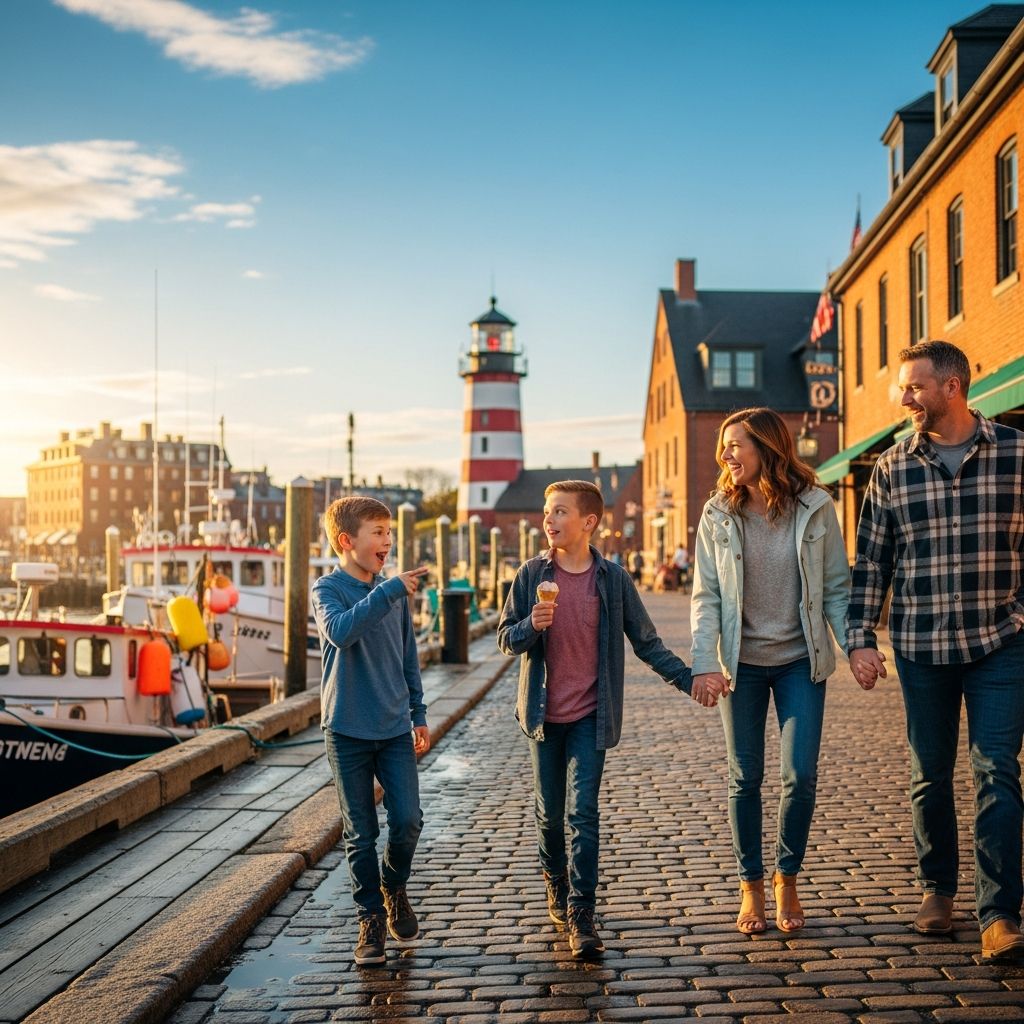
Portland, Maine is a small coastal city that manages to feel both easygoing and full of adventure, which makes it a perfect destination for families with kids of all ages.
This guide walks through family-friendly things to do, sample activity ideas, indoor and outdoor options, and practical tips so you can design a trip that feels playful instead of rushed.
Why Portland Works So Well for Families
Portland is walkable, compact, and set right on the water, so you can pair short outings with plenty of snack breaks and downtime without spending hours in transit.
Kids can climb on rocks along the shore, indulge in fresh treats, explore boats and ferries, and then settle into parks and playgrounds, all within a relatively small radius.
- Short distances between attractions help avoid long car rides with restless kids.
- A mix of nature, history, and hands-on experiences keeps different age groups interested.
- Laid-back local energy makes it easier to go slow, change plans, and follow your children’s pace.
Planning Your Family Days: Big Themes, Not Big Schedules
Instead of trying to check off a long list of attractions, think of your Portland days in simple themes: water, playgrounds, treats, and a little bit of learning.
Each day can be built around one anchor activity, a couple of flexible options, and downtime in a park or along the waterfront.
Kid-Friendly Daily Rhythm
- Morning: Explore outside while kids have the most energy—waterfront walks, lighthouses, ferries, or a beach.
- Midday: Slow down for lunch, playground time, or a quieter indoor activity.
- Afternoon: Choose a short museum, a boat ride, or a sweet treat, then leave the evening open.
This rhythm leaves enough flexibility for weather changes, nap needs, and spontaneous detours to ice cream or bookshops.
Waterfront Adventures Kids Will Remember
Much of Portland’s charm comes from its working waterfront, where kids can watch ferries come and go, see fishing boats, and feel the constant presence of the ocean.
You can turn the harbor itself into your main “attraction” for the day by mixing short walks, boat rides, and time sitting on benches watching the water.
Simple Harbor Activities
- Walk along the piers and see lobster boats, ferries, and sailboats up close.
- Take a short ferry ride on the bay to give kids the thrill of being on a real working boat.
- Pack a small snack picnic and let kids watch the gulls, waves, and changing tide.
Family Boat and Ferry Tips
- Bundle up even on warm days; ocean breezes feel colder than inland air.
- Have a small backpack with water, a light layer, and a simple activity (like a mini notebook or stickers) for younger kids.
- For motion-sensitive children, choose shorter rides first to see how they handle the movement.
Lighthouses, Cliffs, and Coastal Walks
Portland’s lighthouses offer more than pretty photos; they give kids a physical, memorable way to connect with the coast through paths, rocks, and grassy fields.
Many lighthouse parks combine walking trails, open space, and dramatic ocean views, so siblings can spread out and explore at their own pace.
Making Lighthouse Visits Kid-Friendly
- Give kids a simple “lighthouse checklist” to keep them engaged: What color is it? Can you spot boats? What do you hear?
- Plan 30–90 minutes to wander paths, climb over safe rocks set back from the water, and sit for snacks.
- Set clear boundaries near cliff edges and stay back from strong surf, especially with young children.
What to Pack for Coastal Stops
- Comfortable shoes with good grip for rocky paths.
- Light jackets or windbreakers; it often feels cooler by the ocean.
- A small blanket to sit on while kids explore nearby.
Playgrounds, Parks, and Places to Run
Portland has several parks where kids can reset between more structured activities, which is especially helpful for toddlers and energetic grade-schoolers.
Mixing play time into your sightseeing keeps the day from feeling like a grown-up trip with kids tagging along.
Types of Parks You’ll Find
- Large city parks with playgrounds, ponds, and shaded walking trails.
- Waterfront green spaces with paths, benches, and occasionally small beaches or rocky shore access.
- Neighborhood playgrounds with slides, swings, and climbing structures near cafes or snack spots.
How to Use Parks as “Pressure Valves”
- Schedule one park stop in the morning and one in the afternoon on full days.
- Let kids choose how to spend the time there, whether it is climbing, digging in sand, or inventing imaginary games.
- Use park time to sit, hydrate, and review what everyone wants to do next.
Beaches, Bays, and Rocky Shores
Portland’s coastal setting means your kids can experience both sandy beaches and rocky shorelines, depending on where you go.
Even if the water feels chilly, playing near the ocean often becomes one of the most vivid memories of the trip.
Ways to Enjoy the Water Without Swimming
- Let kids build driftwood forts, dig in the sand, or collect smooth stones and shells.
- Look for crabs, snails, and seaweed in shallow tide pools, but handle wildlife gently and return everything where it was found.
- Bring a camera or phone and let older children take their own photos of interesting rocks and patterns in the sand.
Safety and Comfort at the Beach
- Expect cold water; wading rather than full swimming is often plenty of fun.
- Pack layers, sun protection, and a change of clothes for kids who will almost certainly get wet.
- Double-check tide times if you plan to explore rockier areas, and avoid narrow sections that can be cut off by rising water.
Indoor Fun for Rainy or Chilly Days
Coastal weather is changeable, so it helps to have a list of indoor ideas ready for days when the fog settles in or the wind feels too sharp.
Portland offers museums, theaters, and creative spaces where kids can touch, build, imagine, and learn through play.
Types of Indoor Attractions
- Hands-on children’s museums with exhibits focused on science, art, and pretend play.
- Small historical or maritime museums that introduce local stories through models, photos, and artifacts.
- Art spaces, theaters, or maker-style studios where kids can create, watch a show, or join a workshop.
Rainy Day Strategy
- Arrive early at popular children’s spaces to avoid the busiest window of the day.
- Combine a museum visit with a cozy lunch and a bookstore or cafe stop for a full, relaxed afternoon.
- Bring a small bag with socks, layers, and a backup activity in case you need to queue for entry.
Food, Treats, and Kid-Friendly Dining
Portland is known for its food, but you do not need to book long, formal meals to enjoy it with kids in tow.
Think of meals as part of the adventure: food trucks, casual seafood spots, and bakeries all add flavor to your days without demanding perfect restaurant behavior from small children.
Easy Wins for Eating Out With Kids
- Look for casual spots with counter service, outdoor seating, or picnic tables.
- Order a mix of familiar items and one or two local specialties to share so kids can experiment without pressure.
- Use early dinners or late lunches to avoid peak restaurant hours and long waits.
Make Treats Part of the Plan
- Let kids pick a daily treat: ice cream, a bakery stop, or hot chocolate on a cool afternoon.
- Pair treat stops with short walks to balance sugar rushes with movement.
- Keep snacks handy between meals so you can be flexible about where and when you eat.
Sample Family Activity Ideas by Age
Every family is different, but it often helps to see how a few hours in Portland might look for your kids’ ages and interests.
Use these ideas as flexible templates and adjust based on weather, energy levels, and what your children seem to enjoy the most.
| Age Group | Morning Idea | Midday Idea | Afternoon Idea |
|---|---|---|---|
| Toddlers (1–3) | Short waterfront stroll with stroller and a quick stop to watch boats | Playground visit and picnic in a park | Nap time, then ice cream or a quiet bookstore stop |
| Preschoolers (3–5) | Visit a lighthouse park with short trails | Hands-on children’s museum or imaginative indoor play space | Small beach or rocky shore exploration with shell collecting |
| Grade-schoolers (6–10) | Harbor ferry ride or simple boat tour | Casual seafood or pizza lunch, then time at a large city park | Visit a small history or maritime museum, then grab local treats |
| Tweens & Teens (11+) | Longer coastal walk or bike ride along the waterfront | Explore shops and galleries, choosing a souvenir or local snack | Sunset along the harbor or at a lighthouse overlook |
Keeping Things Smooth: Practical Tips for Parents
Good logistics help turn an exciting destination into a genuinely enjoyable trip, especially when traveling with multiple kids or a wide age spread.
Thinking ahead about transportation, packing, and pacing makes it easier to stay relaxed when plans inevitably shift.
Transportation and Parking
- Expect to walk a fair amount; bring a stroller or carrier for younger children.
- If you drive, check parking rules near parks and waterfront areas ahead of time.
- Allow time to park a bit farther away and walk, especially during busy weekends.
What to Pack for a Family Day Out
- Layers for everyone: t-shirts, light jackets, and an extra sweatshirt for kids.
- Sunblock, hats, and simple first-aid items like bandages and wipes.
- Snacks, reusable water bottles, and a compact blanket or towel for impromptu park or beach stops.
Building in Downtime
- Plan at least one “low-key” block each day where the only goal is to play at a park or relax at your lodging.
- Let older kids help choose one activity per day so they feel invested in the plan.
- Have a rainy-day backup list ready so changes feel like a fun pivot rather than a disappointment.
Frequently Asked Questions About Visiting Portland, Maine With Kids
How many days do families need in Portland?
Many families find that two to four days works well, giving them time for the waterfront, a lighthouse or two, a beach or coastal stop, and at least one indoor activity.
A shorter weekend can still be memorable if you keep your plans focused and avoid trying to cover everything in one visit.
Is Portland walkable with young children?
Yes, much of the city center and waterfront is walkable, but hills and cobblestones in some areas can be tiring for smaller legs.
Using a stroller, taking frequent playground breaks, and grouping nearby sights together makes walking more manageable.
What is the best season to visit with kids?
Late spring through early fall tends to offer the best mix of outdoor comfort, open attractions, and longer daylight hours.
Summer usually brings warmer beach days and more boat options, while shoulder seasons can feel quieter and more budget-friendly.
Can you visit Portland on a budget with children?
Yes, families can keep costs reasonable by focusing on free or low-cost activities like coastal walks, parks, beaches, and self-guided waterfront exploring.
Bringing snacks, choosing picnic-style meals some days, and limiting the number of paid attractions per trip helps stretch the budget.
Is Portland suitable for babies and toddlers?
Portland works well for very young kids because so much of the experience can center on simple pleasures: watching boats, playing on grass, and moving at their pace.
Parents should plan around nap times, pack layers and comfort items, and choose lodging with easy access to parks or the waterfront.
Wrapping Your Trip in Memories, Not Checklists
What kids often remember most from Portland are not specific attraction names, but the feeling of standing by the ocean, hearing foghorns, eating sticky ice cream, and falling asleep after a day of fresh air.
By keeping plans simple, centering your days on the water and open spaces, and leaving room for spontaneity, your Portland visit can become a relaxed, memory-rich chapter in your family’s travels.