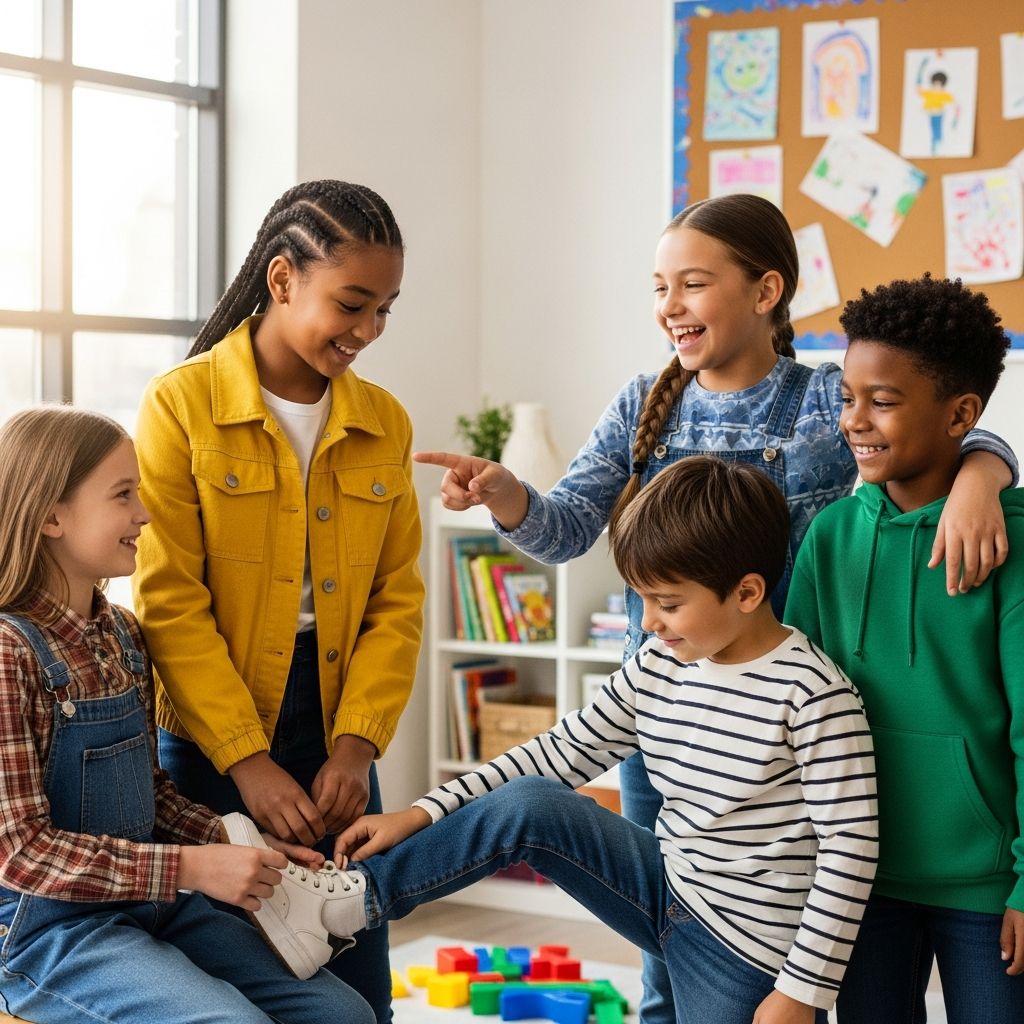
Encouraging boys to embrace their tears redefines strength, helping them develop emotional intelligence essential for navigating life’s challenges with resilience and empathy.
The Science Behind Tears as Emotional Release
Crying serves as a natural mechanism for the body to restore emotional and chemical balance. When intense emotions surge, such as joy, sadness, anger, or fear, tears help release built-up physiological tension. This process is innate from birth, where infants cry spontaneously to signal distress and achieve equilibrium in brain chemicals.
Research indicates that suppressing tears impairs a child’s ability to process distress healthily. Cultures often dictate when crying is permissible, but adult disapproval can hinder natural emotional expression, leading to long-term emotional repression. For boys, societal pressures amplify this, associating tears with weakness, yet science shows crying enhances emotional regulation and coping skills.
Why Boys Need Permission to Feel Deeply
Boys absorb emotional complexities early, yet parents often shield them from ‘excessive’ feelings like grief or disappointment, assuming immaturity. This overlooks their rapid brain development, where emotional experiences shape ideas, reactions, and adaptations. Teaching boys to identify and articulate feelings builds empathy and communication in safe environments.
Emotional Quotient (EQ) outperforms IQ as a predictor of life success. Children with high EQ excel academically, form stronger relationships, and enjoy better health outcomes. For boys, granting permission to cry counters stereotypes, fostering self-awareness—the foundation of EQ, knowing one’s emotions intimately.
| EQ Component | Benefit for Boys | Development Strategy |
|---|---|---|
| **Self-Awareness** | Recognizes personal emotions | Name feelings during calm moments |
| **Self-Regulation** | Controls emotional reactions | Model calm responses to triggers |
| **Empathy** | Understands others’ feelings | Discuss characters’ emotions in stories |
| **Motivation** | Pursues goals despite setbacks | Celebrate effort over perfection |
Building Emotional Vocabulary from Infancy
Infants communicate via cries and expressions, recognizing others’ emotions by six months through social referencing—gauging parents’ faces in uncertainty. Responding with comfort reinforces that feelings matter, building secure attachments vital for emotional growth.
- Point to book illustrations: “That face looks tense—maybe angry?”
- Observe real-life: “He’s frowning; let’s wonder why.”
- Play charades: Act out joy, frustration, relief for recognition.
Beyond faces, connect emotions to body cues: racing heart for excitement, tight chest for worry, light shoulders for happiness. This bodily awareness helps boys label sensations, evolving from “bad feeling” to precise terms like “frustrated” or “anxious.”
Practical Steps for Parents to Foster Tears and Resilience
Acknowledge perspectives empathetically: “You seem overwhelmed—want to cry it out?” This validates without fixing, aiding emotional processing. Play facilitates resolution for young children, symbolically enacting conflicts to release stress via laughter or tears—both effective hormone releasers.
- Empathize First: “I see your disappointment; it’s okay to feel this.”
- Name the Emotion: Naming calms brain’s emotional centers.
- Allow Release: Provide space for tears or play-acting.
- Connect Cause-Effect: “Mad because playtime ended?” builds awareness.
- Model Behavior: Share your emotions: “I’m sad the game ended.”
These steps nurture regulation, turning reactive outbursts into thoughtful responses. Avoid conversations mid-upset; teach during calm.
Overcoming Cultural Barriers to Boys’ Emotional Expression
Societal norms often stifle boys’ tears, unlike girls’, leading to internalized distress. Yet, boys who cry develop superior coping, reducing risks of anxiety or aggression later. Parents’ instinctive comforting of cries contrasts with dismissing giggles, creating uneven feedback.
Proactive teaching equips boys: regular check-ins, feelings charts, and story discussions expand vocabulary beyond basics. Laughter post-mischief may signal shame, not joy—teach nuance over rigid face-emotion links.
Long-Term Benefits of Emotionally Literate Boys
Boys trained in EQ thrive: better peer interactions, academic focus, mental health. They share, negotiate, form bonds—key for adulthood success. Emotionally aware boys understand “why,” shifting from “I’m mad!” to explanatory narratives, enhancing problem-solving.
Resilience blooms as they view setbacks as temporary, motivated internally. Healthy emotional outlets like crying prevent buildup, promoting balance.
Frequently Asked Questions
What if my son laughs after hurting someone?
This often masks shame, not amusement. Gently inquire: “What’s going on inside?” to uncover true feelings.
How do I start emotion talks with toddlers?
Use body sensations and simple words: “Tummy hurt? Maybe worried.” Pair with cuddles.
Is crying really helpful scientifically?
Yes, it releases tension and balances brain chemicals from various emotions.
Can EQ be taught at any age?
Start early for best results, but ongoing modeling works across ages.
What about school settings?
Teachers can mirror strategies: empathize, name emotions, teach regulation proactively.
References
- It’s Okay Not to Be Okay — Association of Child Life Professionals (ACLP). 2021-04-01. https://www.childlife.org/resources-legacy/aclp-bulletin/spring-2021-table-of-contents/it’s-ok-not-to-be-ok
- Should I Laugh Or Cry? Teaching Emotional Intelligence to Children — The Good Book Company. 2019-03-12. https://www.thegoodbook.com/blog/interestingthoughts/2019/03/12/should-i-laugh-or-cry-teaching-emotional-intellige/
- Five Steps To Nurture Emotional Intelligence in Your Child — Peaceful Parent Happy Kids. N/A. https://www.peacefulparenthappykids.com/read/steps-to-encourage
- How to Teach Emotional Awareness to Children — Your Parenting Mojo. N/A. https://yourparentingmojo.com/teach-emotional-awareness-children/
- How to help kids understand and manage their emotions — American Psychological Association (APA). 2023-10-01. https://www.apa.org/topics/parenting/emotion-regulation
- Helping Children Regulate Their Emotions — Kindergarten Cafe. N/A. https://kindergartencafe.org/helping-children-regulate-their-emotions/