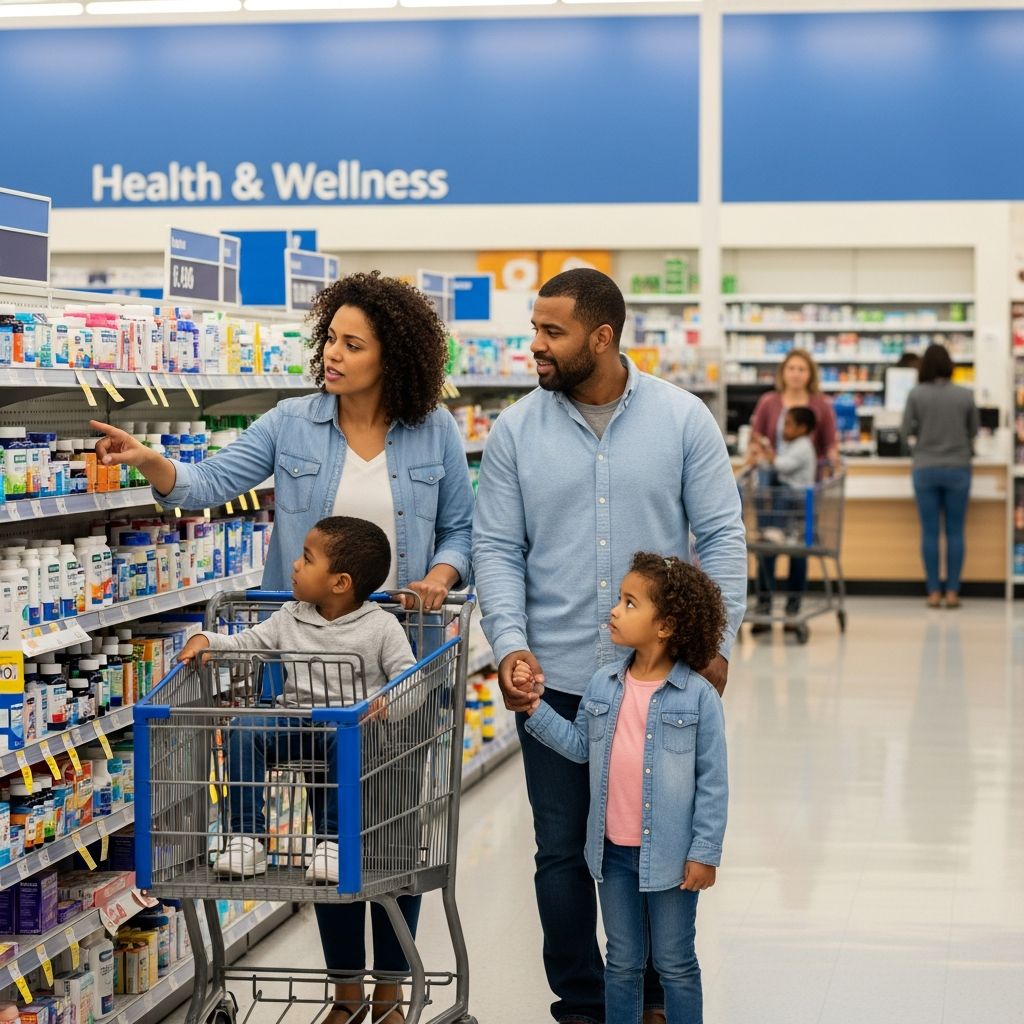
Parenting rarely goes according to plan. Fevers spike at bedtime, school projects appear the night before they are due, and you somehow run out of diapers exactly when you buckle everyone into the car. In those moments, having a well-stocked, reliable pharmacy nearby can feel less like an errand and more like a lifeline.
Large chain pharmacies such as CVS, Walgreens, and other big-box drugstores have quietly evolved into one-stop hubs for family health, quick groceries, baby essentials, and even last-minute gifts. Used strategically, they can save parents precious time, stretch the household budget, and reduce stress on the busiest days.
1. One Store, Dozens of Parenting Problems Solved
Modern pharmacies are no longer just about prescriptions. They are organized to cover a wide range of daily emergencies and routine needs, which is exactly what makes them powerful tools for parents. Instead of racing between multiple stores, you can often handle half your weekly to-do list in a single stop.
This is especially valuable when you have young children, because every extra stop means another round of car-seat buckles, meltdowns, or lost nap time.
Everyday needs you can usually handle in one trip
- Prescription pick-ups and refills for the whole family.
- Over-the-counter medicine for fevers, allergies, coughs, and minor injuries.
- Diapers, wipes, formula, baby food, and children’s vitamins.
- Quick groceries like milk, snacks, bread, and pantry basics.
- School and office supplies including poster boards, markers, and tape.
- Greeting cards, small toys, and gift cards for last-minute birthdays.
2. Convenience that Matches Real Family Schedules
Families do not operate on a 9-to-5 schedule, and neither do most large pharmacies. Many locations offer extended hours, and some operate around the clock. That can make a major difference when a child spikes a fever at midnight or you realize you forgot to buy sunscreen before an early-morning field trip.
On top of late hours, big-box pharmacies typically layer in services like mobile apps, drive-thru windows, and same-day delivery, all designed to reduce how often you have to drag tired kids inside the store.
Time-saving convenience features for parents
- Extended or 24-hour hours: Ideal for late-night medicine runs or last-minute essentials.
- Drive-thru prescription pick-up: Keep kids buckled and avoid hauling everyone inside.
- Mobile apps: Refill prescriptions, check wait times, clip digital coupons, and track rewards from your phone.
- Delivery and curbside pickup: Order diapers, snacks, and medicine to be delivered or brought to your car.
3. Building a Smart Family Health Hub
One of the biggest long-term advantages of choosing a main pharmacy for your family is centralized health information. When most prescriptions and many over-the-counter purchases go through the same place, it becomes easier to track medications, refill schedules, and potential interactions.
Many pharmacies give you options to link children’s accounts, set reminders, and keep a digital record of vaccines and prescriptions. This “health hub” approach makes it far easier to manage care for multiple family members.
Ways to use your pharmacy as a health hub
- Link your children’s prescriptions to your account so you can request refills together.
- Turn on text or app reminders for refills and pick-ups to avoid last-minute scrambles.
- Keep photos or scans of immunization records alongside prescription histories.
- Store preferred allergy medications and dosage notes so any caregiver can quickly check what your child takes.
4. In-Store Clinics and Quick Care Options
Many large pharmacies now include walk-in clinics staffed by nurse practitioners or physician assistants who can handle minor illnesses and routine services. For parents, this often means shorter wait times, evening or weekend availability, and the ability to take care of multiple tasks in one visit.
While these clinics do not replace your pediatrician, they can complement regular care when your doctor’s office is closed or booked, or when you need something simple handled quickly.
Common services at in-store clinics
- Flu shots and other common vaccines for adults and children (age limits vary by location).
- Strep tests, flu tests, and basic evaluations for coughs, sore throats, and ear pain.
- Sports physicals and camp forms during busy seasons.
- Basic wellness checks, blood pressure screenings, and health coaching.
Sample family errand combo in a single visit
A typical parent-friendly stop might look like this: one child gets a quick strep test at the clinic, you pick up a prescription for another family member, grab children’s pain reliever, toss a gallon of milk and cereal into your basket, and choose a birthday card on the way to the checkout. The time savings compared with visiting multiple locations really add up.
5. Stretching Your Budget with Rewards and Store Brands
Raising kids is expensive, from endless snack requests to constant growth spurts. Big-box pharmacies frequently run sales, offer loyalty programs, and stock their own brands of medicine, toiletries, and baby products that are often significantly cheaper than national labels.
With a little strategy—signing up for the rewards program, watching the weekly ad, and being flexible about brands—you can turn a convenient store into a surprisingly effective cost-saving tool.
Simple savings strategies for parents
- Join the store’s free rewards or loyalty program to earn discounts toward future purchases.
- Buy store-brand versions of essentials like pain relievers, allergy medicine, diapers, and wipes when your pediatrician confirms they are equivalent.
- Stack digital coupons with sale prices on snacks, toiletries, and cleaning supplies.
- Watch for extra rewards or bonus points on baby items, seasonal products, or vitamins.
Example: how savings can add up over a month
| Item category | Typical purchase | Full-price estimate | With sales/rewards | Potential monthly savings* |
|---|---|---|---|---|
| Medicine & first aid | Children’s fever reducer, bandages, allergy tablets | $40 | $30 | $10 |
| Baby & toddler care | Diapers, wipes, diaper cream | $80 | $65 | $15 |
| Snacks & basics | Milk, granola bars, juice, bread | $60 | $50 | $10 |
| Seasonal & extras | Sunscreen, bug spray, small gifts | $40 | $30 | $10 |
| Total | $220 | $175 | $45 |
*Numbers are illustrative and will vary by region, brands, and promotions, but demonstrate how a single store can create meaningful monthly savings.
6. Kid-Friendly Layout and Emergency Distractions
Anyone who has shopped with toddlers knows that environment matters. Big-box pharmacies typically have wide aisles, carts, and plenty of bright displays that help keep kids occupied for a few precious minutes while you grab what you need.
While candy and toys near the register can spark negotiations, they can also serve as low-cost distractions or small rewards for surviving a difficult errand, such as picking up medication after a shot or illness.
Tips for smoother kid-in-tow pharmacy runs
- Give your child a small “job,” like holding the shopping list or choosing a birthday card.
- Set a simple rule in advance, such as choosing one small snack or dollar toy if behavior stays on track.
- Use the wide aisles to park the cart somewhere safe while you grab a nearby item, so kids stay contained.
- Keep visits short and purposeful: make a list, stick to a route, and avoid browsing when kids are tired.
7. Safety, Guidance, and a Familiar Health Partner
Beyond convenience, one of the most underrated benefits of large pharmacies is access to pharmacists. These professionals can help you understand dosing, check for interactions between medications, and point you toward the right over-the-counter products for common family issues.
Building a relationship with your pharmacist can make it easier to ask quick questions when something unexpected comes up, especially if you are caring for multiple children or an aging parent at the same time.
Smart ways to use your pharmacist
- Confirm proper dosing for children’s medications based on current weight, not just age.
- Ask whether an over-the-counter product could interact with a prescription you or your child already takes.
- Discuss lower-cost alternatives if a prescription is too expensive.
- Request help setting up automatic refills or synchronization so multiple prescriptions renew at once.
8. Turning a Simple Store into a Parenting Strategy
When parents think about simplifying life, they often focus on big changes: new routines, elaborate chore systems, or ambitious meal prep plans. Yet sometimes, the most powerful improvements are small and repeatable—like choosing one go-to store where many needs can be met quickly and predictably.
Treat your preferred pharmacy as part of your family’s support system. Once you understand its services—clinic hours, rewards program, app features, and product selection—you can lean on it during illnesses, busy seasons, and everyday gaps.
Practical checklist: make your pharmacy work harder for you
- Pick one primary pharmacy close to home, work, or your child’s school.
- Download the store’s app and link family members’ prescriptions.
- Enroll in the rewards program and opt into digital coupons.
- Walk through the store once on a calm day to learn where baby items, snacks, first aid, and school supplies are located.
- Save clinic hours and phone numbers in your contacts for quick reference.
FAQs About Using Big-Box Pharmacies as a Parent
Are store-brand medicines and baby products safe for children?
In many cases, store-brand medicines contain the same active ingredients and dosages as their name-brand counterparts and must meet the same regulatory standards. Always confirm with your pediatrician or pharmacist before making a switch, particularly for infants, toddlers, or children with chronic conditions.
When should I choose the in-store clinic instead of my pediatrician?
In-store clinics are best for simple, straightforward issues such as mild infections, minor injuries, basic vaccines, and quick tests when you need fast service. Your pediatrician remains the best option for complex concerns, ongoing conditions, or developmental questions, because they have your child’s full history.
How can I avoid overspending when everything is so convenient?
Go in with a written or digital list, use the store’s app to check deals ahead of time, and decide on a small “impulse budget” for extras such as seasonal items or treats. If you tend to overspend, consider choosing pickup or delivery for routine orders, which limits browsing and checkout temptations.
Is it safe to manage my family’s prescriptions through an app?
Major pharmacies invest heavily in encryption and security for digital prescription management, but it is still wise to protect your account with a strong password and two-factor authentication when available. Treat health apps like online banking: log out on shared devices and avoid accessing sensitive information on unsecured public Wi-Fi.
What if my child has special medical needs?
Many big-box pharmacies can order less common medications, maintain detailed profiles, and provide extra counseling on dosing and interactions. For children with complex conditions, work with both your pediatric specialist and a trusted pharmacist to ensure prescriptions, supplies, and emergency medications are always available when you need them.
Final Thoughts
Parenting will never be effortless, but certain systems can make the daily grind more manageable. A big-box pharmacy that you know well and use strategically can become more than just a place to grab cough syrup—it can be a flexible extension of your family’s health care, budget planning, and everyday logistics.
By combining convenience, extended hours, rewards programs, in-store clinics, and expert guidance under one roof, these stores quietly offer what parents need most: fewer errands, clearer routines, and a little extra breathing room on even the busiest days.