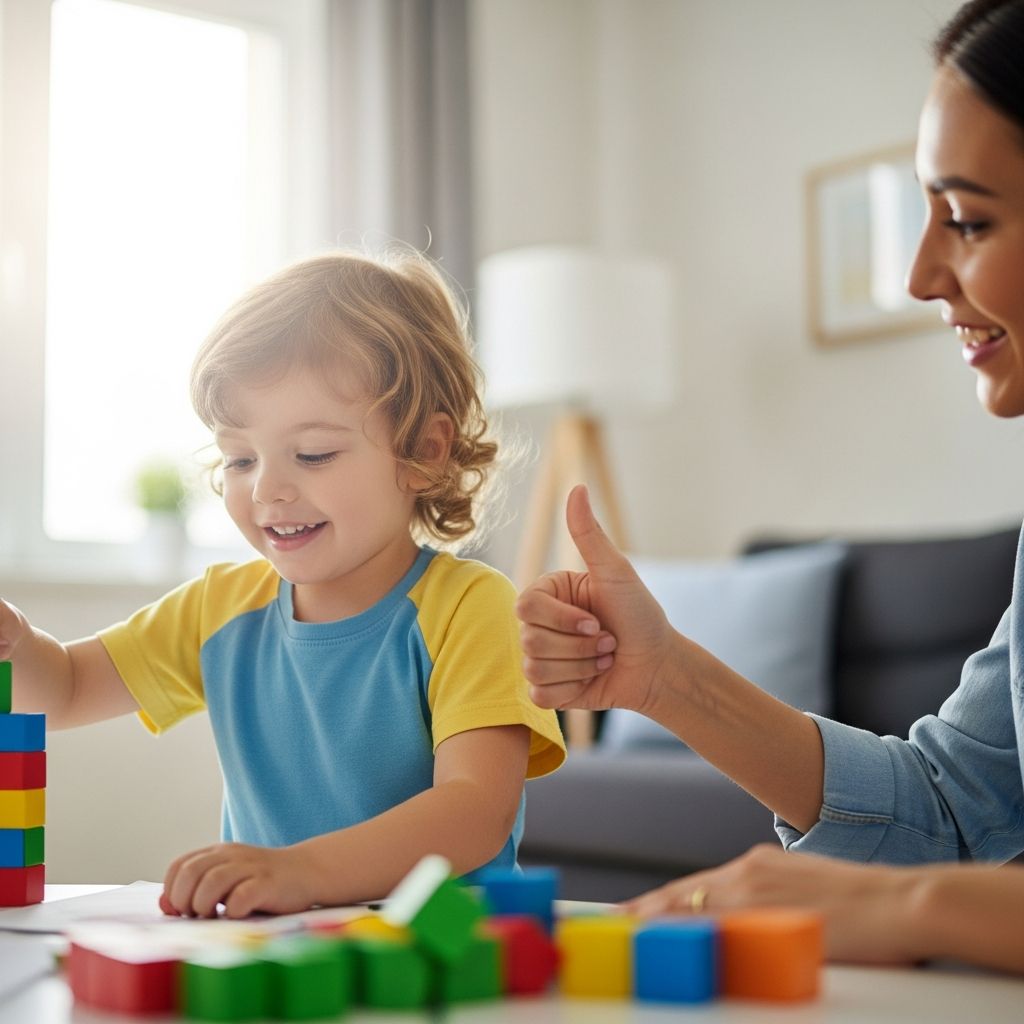
Positive reinforcement stands as a cornerstone of effective child development, focusing on rewarding desirable actions to make them more likely to recur. This method builds on natural motivation, enhancing self-esteem and social skills without relying on punishment.
Understanding the Foundations of Positive Reinforcement
At its core, positive reinforcement means providing a pleasant stimulus immediately after a desired behavior, strengthening that action’s future occurrence. For children, this could range from a warm smile to a tangible reward, creating positive associations with good choices. Research from evidence-based programs like Incredible Years highlights its potency, particularly for children needing extra support in emotional regulation and social interactions.
Unlike criticism or timeouts, which target misbehavior, this approach shifts attention to successes. Parents and educators who ‘catch kids being good’ foster resilience and a growth mindset. Specific, timely feedback—such as ‘I love how you shared your toy so kindly’—helps children connect their actions to positive outcomes, boosting confidence.
Core Principles for Successful Implementation
To maximize impact, adhere to key guidelines. First, ensure reinforcement is immediate; delays weaken the behavior link. Second, be specific: vague ‘good job’ pales against descriptive praise like ‘You put away your books quickly and neatly!’
Consistency across caregivers is vital. When parents, teachers, and family members align, children internalize expectations more reliably. Finally, vary reinforcements to maintain engagement—mix verbal affirmation with activities or small tokens to prevent reliance on one type.
- Immediacy: Respond right after the behavior to solidify the connection.
- Specificity: Describe the exact action praised.
- Consistency: Apply uniformly in all settings.
- Variety: Rotate reward types for sustained motivation.
Categories of Positive Reinforcement Techniques
Diverse reinforcement types cater to different needs and ages, allowing tailored applications.
Social Affirmation: The Power of Words and Gestures
Social reinforcement leverages human connection through praise, hugs, high-fives, or smiles. Young children thrive on parental approval, making this ideal for building emotional bonds. Phrases like ‘You helped your friend—that shows great kindness!’ reinforce empathy and cooperation.
In classrooms, teachers using labeled praise enhance self-regulation and peer interactions, as seen in structured programs for ages 5-8.
Tangible Rewards: Motivating with Objects
Stickers, small toys, or treats serve as material incentives, especially effective when paired with verbal praise. Use sparingly to avoid dependency; focus on effort over perfection. For high-need children, these bridge to intrinsic motivation over time.
Activity-Based Rewards: Fun as Incentive
Granting preferred activities—like extra playtime or a park visit—empowers children. This type promotes autonomy, as kids choose rewards aligning with their interests. Examples include selecting family dinner after consistent chores.
| Type | Description | Best For | Example |
|---|---|---|---|
| Social | Verbal praise, gestures | Daily interactions | ‘Great sharing!’ + high-five |
| Tangible | Stickers, treats | Short-term goals | Sticker for bedtime routine |
| Activity | Extra play, outings | Weekly milestones | Park trip for good week |
Practical Tools and Systems for Everyday Use
Visual aids like sticker charts track progress, turning abstract goals into concrete achievements. A child earns stickers for tasks like tidying toys or polite responses; full charts unlock privileges.
‘Caught Being Good’ jars collect tokens for positives like kindness or homework completion, culminating in group rewards. These gamify behavior, engaging children’s competitive spirits positively.
- Sticker charts for routines (brushing teeth, homework).
- Token jars for spontaneous goods.
- Privilege boards where kids select rewards.
Integrating Reinforcement in Family and School Life
Parents build foundations through quality time—reading, playing, chatting—primed for praise. Model desired behaviors; children mimic parents’ kindness or patience, amplifying reinforcement.
In schools, programs like Incredible Years train educators in play-based praise, fostering empathy and focus. Align home-school strategies for seamless reinforcement, ensuring security across environments.
Set children up for success with achievable tasks, praising efforts to encourage repetition. This proactive stance reduces challenges, emphasizing positives over corrections at a 5:1 ratio or higher.
Age-Appropriate Strategies Across Developmental Stages
Toddlers respond to hugs and simple cheers for milestones like sharing. School-age kids benefit from responsibility rewards, like leading activities.
For teens, shift to intrinsic reinforcers—autonomy, verbal recognition—to sustain habits into adulthood.
Common Challenges and Proven Solutions
Over-rewarding risks entitlement; fade tangibles gradually toward praise. Inconsistent application confuses kids—schedule family meetings to unify approaches.
If behaviors persist challengingly, combine with clear boundaries, but prioritize positives. Track progress weekly to adjust.
Long-Term Benefits for Child Development
Consistent use cultivates self-motivated, resilient children with strong social skills. It creates joyful learning atmospheres, reducing stress and enhancing family dynamics.
Evidence shows improved academic performance and emotional health, preparing kids for lifelong success.
Frequently Asked Questions
What is the most effective form of positive reinforcement for toddlers?
Social reinforcement like hugs and specific verbal praise works best, as toddlers crave caregiver attention.
How do I avoid my child becoming reward-dependent?
Pair tangibles with praise, gradually reducing them while increasing intrinsic feedback.
Can positive reinforcement work for children with behavioral challenges?
Yes, evidence-based programs like Incredible Years show strong results for high-need kids through structured praise.
How often should I praise my child?
Focus on a high ratio of positives—aim for many more praises than corrections daily.
Does positive reinforcement replace discipline?
No, it complements clear expectations and consequences, but emphasizes prevention through positives.
References
- Using Positive Reinforcement for High-Need Children — Incredible Years. Accessed 2026. https://www.incredibleyears.com/blog/positive-reinforcement
- The Impact Positive Reinforcement Has on A Child’s Behavior — Early Advantage DCC. Accessed 2026. https://www.earlyadvantagedcc.com/early-advantage-parent-resources/the-impact-positive-reinforcement-has-on-a-childs-behavior/
- Encouraging positive child behaviour: tips — Raising Children Network (Australian Government-funded). 2023-01-17. https://raisingchildren.net.au/toddlers/behaviour/encouraging-good-behaviour/good-behaviour-tips
- Say Yes to Positive Reinforcement — Seattle Children’s Hospital. Accessed 2026. https://www.seattlechildrens.org/healthy-tides/new-year-positive-reinforcement/
- Benefits of Positive Reinforcement in Learning Environments — Eastern Washington University. Accessed 2026. https://online.ewu.edu/degrees/education/med/early-childhood-education/positive-reinforcement-in-learning/