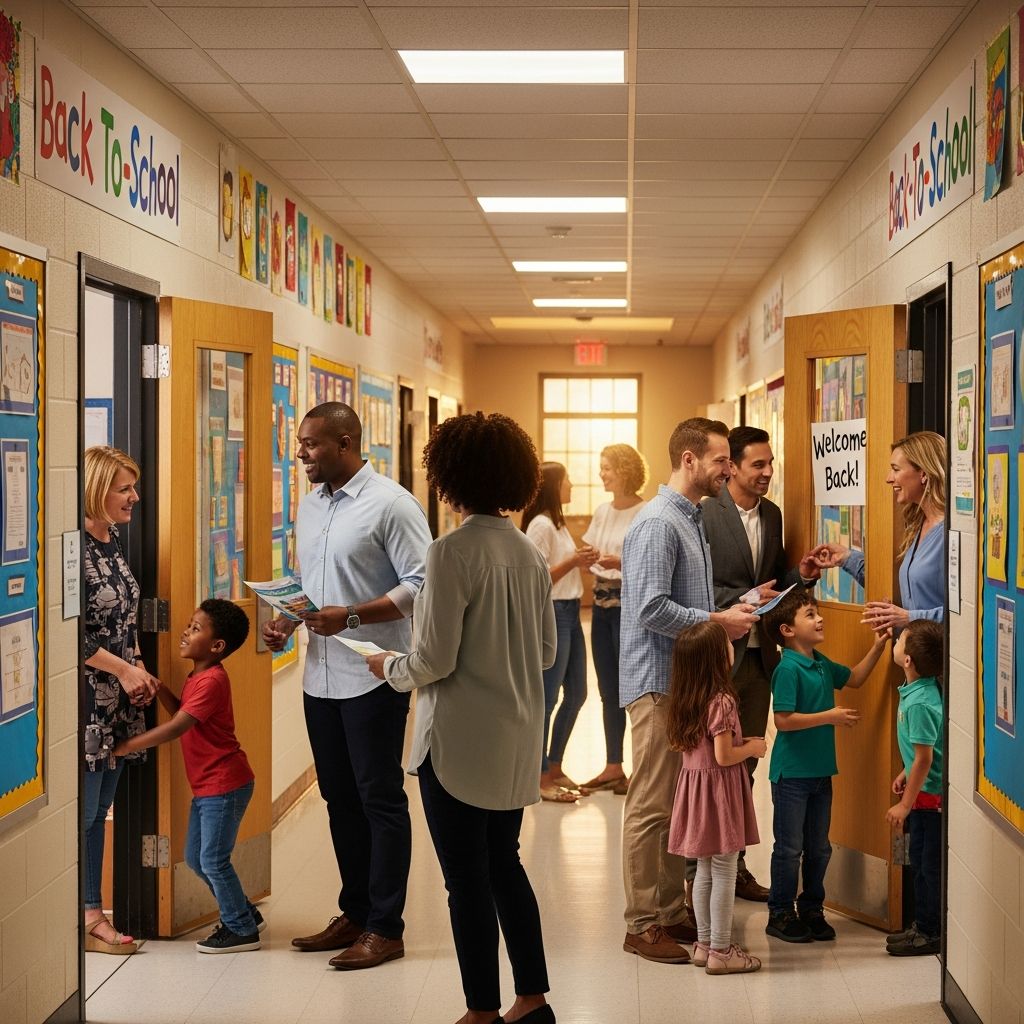
Back-to-School Night stands as a cornerstone event in the academic calendar, providing parents with a unique window into their child’s daily learning environment. This gathering, typically held shortly after the school year begins, allows caregivers to connect directly with educators, grasp upcoming educational plans, and align home support with classroom goals. Far beyond a simple introduction, it lays the groundwork for collaborative partnerships that research links to improved student performance and well-being.
The Educational Landscape Revealed
One primary value of Back-to-School Night lies in demystifying the school’s inner workings. Parents gain a firsthand look at classrooms, seating arrangements, and instructional materials, helping them picture their child’s routine. Educators often outline the full-year curriculum, detailing subjects like math, reading, and science, along with teaching strategies and assessment methods. This transparency empowers families to reinforce lessons at home, such as practicing vocabulary or reviewing math concepts, creating a seamless bridge between school and home.
Understanding these elements proves crucial, as studies show parental awareness of curricula correlates with higher student achievement. For instance, when parents know specific skills targeted in class, they can provide targeted encouragement, turning everyday conversations into teachable moments.
Forging Strong Teacher-Parent Alliances
Personal connections formed during these evenings transform abstract teacher names into familiar faces, easing future communications. Teachers appreciate parents who attend, often leading to more responsive emails, calls, or meetings throughout the year. This rapport fosters trust, enabling quick resolutions to concerns like behavioral issues or learning challenges.
Research underscores this benefit: programs enhancing parent-teacher interactions, such as targeted messaging initiatives, boost student literacy and attendance by encouraging proactive involvement. By meeting educators early, parents signal commitment, which motivates teachers to invest extra effort in their child’s progress.
Demonstrating Commitment to Your Child
Attendance sends a resounding message to children that education ranks high on the family priority list. Kids notice when parents show up, interpreting it as validation of their efforts and interests. This visible support enhances motivation, confidence, and engagement in schoolwork.
- Boosts Academic Performance: Involved parents contribute to better grades and test scores, as evidenced by longitudinal studies on family engagement.
- Improves Social Skills: Children feel secure knowing home and school align, reducing anxiety and promoting positive peer interactions.
- Instills Lifelong Habits: Early exposure to parental advocacy models responsibility and perseverance.
Even if schedules conflict, the symbolic importance persists, reinforcing that learning matters.
Accessing Hidden School Opportunities
Schools frequently highlight support services during these events, from tutoring programs and counseling to after-school clubs and libraries. Parents might discover STEM workshops, reading interventions, or mental health resources otherwise overlooked. Awareness of these tools allows timely interventions, preventing small struggles from escalating.
For example, a child facing reading difficulties could benefit from identified phonics support, while gifted learners connect with enrichment activities. Networking with PTA representatives opens doors to volunteer roles, field trip chaperoning, or policy input, amplifying family influence on school improvements.
Glimpsing Your Child’s Unique Strengths
Displayed student projects offer tangible evidence of growth, sparking pride and dialogue. Seeing a science poster or art piece reveals talents and passions, informing home discussions like “Tell me more about this experiment!” Teachers may share anecdotes about classroom behavior, unveiling sides of your child unseen at home—perhaps a quiet leader or enthusiastic collaborator.
This insight humanizes the school experience, helping parents celebrate wins and address gaps collaboratively.
Cultivating a Network of Support
Intermingling with fellow parents builds community, facilitating playdate arrangements, homework collaborations, or shared childcare. Exchanging contacts creates a safety net for queries like missed assignments or event reminders. In child-free formats, adults enjoy substantive talks on topics like bullying prevention or study tips, strengthening collective advocacy.
| Networking Benefit | Practical Outcome |
|---|---|
| Meeting Classmates’ Parents | Playdates and group study sessions |
| PTA Involvement | Voice in school decisions and events |
| Resource Sharing | Tips on tutors or local programs |
Practical Strategies for Maximum Impact
To make the most of the evening, preparation is key. Review school handouts or portals for agendas, and jot down questions about homework policies, grading, or home reinforcement ideas. Arrive early to tour facilities and chat informally.
- Prepare Questions: Ask about differentiation for diverse learners or technology integration.
- Take Notes: Record key dates, supply needs, and contact info.
- Follow Up: Send a thank-you email recapping discussions.
- Debrief with Child: Share positives to build excitement.
If attendance proves impossible due to work or distance, request materials via email or schedule a makeup visit. Virtual options increasingly accommodate busy schedules, maintaining engagement.
Long-Term ripple Effects on Learning
Consistent participation in such events establishes patterns of involvement linked to sustained success. Children in supportive ecosystems exhibit resilience, higher graduation rates, and college readiness. Schools thrive too, with active families contributing to vibrant cultures and resource allocation.
Initiatives like text-based nudges demonstrate that even low-barrier engagements yield gains in literacy and math, suggesting Back-to-School Night as a high-impact launchpad.
Frequently Asked Questions (FAQs)
What exactly happens at Back-to-School Night?
Typically, it starts with a principal’s welcome in a common area, followed by classroom visits where teachers present overviews of expectations, routines, and curricula. Parents rotate if multi-grade, often signing up for committees.
Is it mandatory for parents to attend?
No, but highly recommended. Absences don’t preclude involvement; follow up promptly to stay connected.
What if my work schedule conflicts?
Contact the teacher for recordings, slides, or a personal meeting. Many schools offer hybrid formats.
How does it benefit older students like middle schoolers?
Even for tweens, it clarifies transitions, electives, and advisory programs, easing adjustment stresses.
Can siblings attend?
Check school policy; some welcome families for a supportive vibe, others prefer adults-only for focus.
Empowering Your Role in Education
Back-to-School Night transcends a one-off gathering, igniting partnerships that propel student success. By prioritizing it, parents invest in clarity, relationships, and resources that echo through the year. Embrace this opportunity to align visions, celebrate potentials, and navigate challenges unitedly, ensuring every child flourishes academically and personally.
References
- Don’t Miss Back-to-School Night! Tips and Tricks for Parents — Findmykids.org. 2023. https://findmykids.org/blog/en/what-is-back-to-school-night
- Why You Should Go to Back To School Night (+ What to do if You Can’t) — Macaroni Kid Lakewood. 2018-07-01. https://lakewoodco.macaronikid.com/articles/5b80cf9b6d86e9783be5a580/why-you-should-go-to-back-to-school-night-(-what-to-do-if-you-cant)
- Back-to-School Night Basics — Scholastic. 2023. https://www.scholastic.com/parents/school-success/school-involvement/back-to-school-night-basics.html
- Parents Are Partners (Even if They Miss Back-to-School Night) — Education Week. 2016-10-01. https://www.edweek.org/education/opinion-parents-are-partners-even-if-they-miss-back-to-school-night/2016/10
- Back-to-School Night: The Focus Could Be Love — PDXScholar, Portland State University. 2014. https://pdxscholar.library.pdx.edu/cgi/viewcontent.cgi?article=1011&context=nwjte