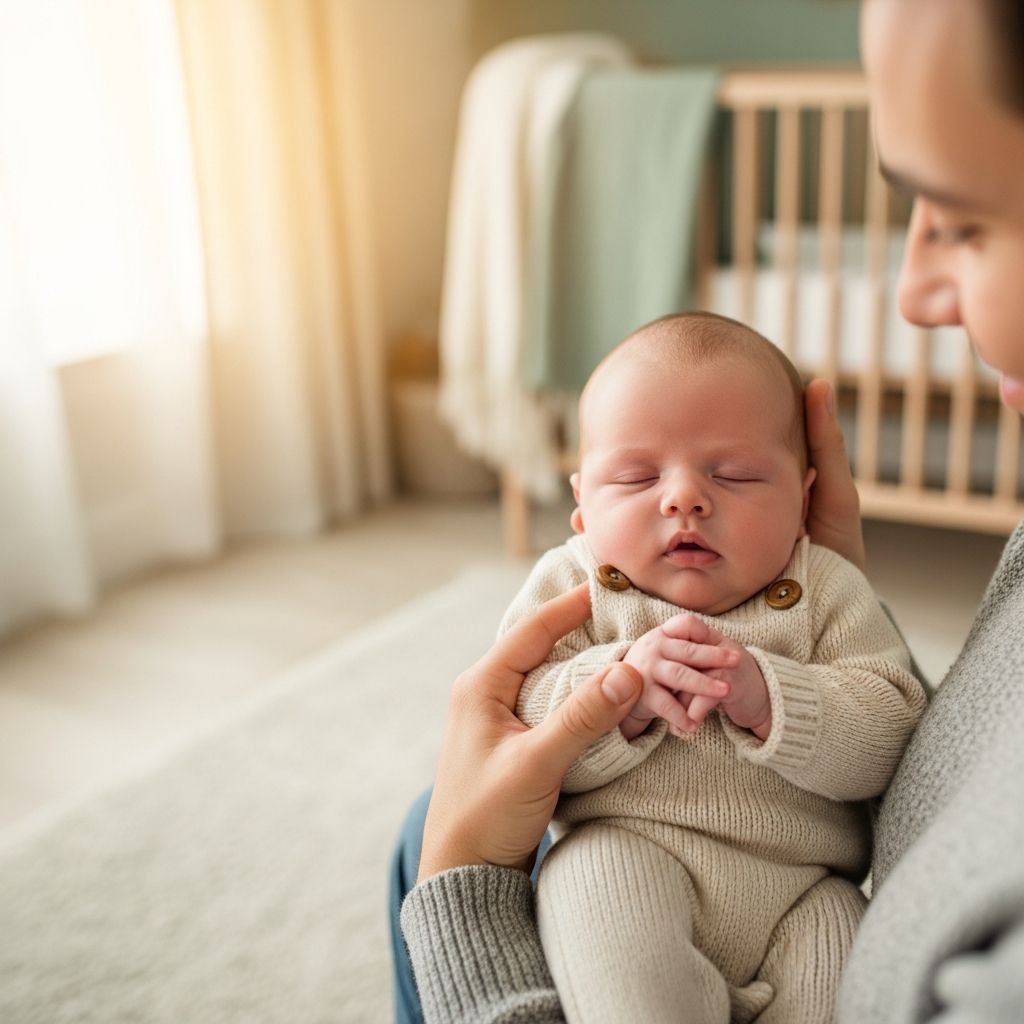
From the moment a baby enters the world, the simple acts of holding, cuddling, and responding to their needs lay the foundation for emotional well-being that lasts a lifetime. Scientific research consistently shows that infants who receive ample affection develop stronger brains, healthier immune systems, and greater resilience against stress. This isn’t just about parental intuition—it’s backed by longitudinal studies tracking thousands from cradle to adulthood.
The Science Behind Early Affection
Affectionate parenting triggers a cascade of neurochemical responses essential for development. When parents cuddle their babies, oxytocin—the ‘bonding hormone’—is released, fostering trust and emotional security. A Duke University study followed 500 individuals from infancy into their 30s, finding that babies with attentive mothers grew into happier, less anxious adults. Similarly, research supervised by child psychologist Dr. Darcia Narvaez on 600 adults revealed that early cuddling correlates with superior social skills, intelligence, and stress management.
Without sufficient touch, infants face elevated cortisol levels, the stress hormone that can ‘melt’ developing synapses, impairing social and cognitive growth. Touch-deprived babies show reduced serotonin, linking to later aggression, depression, and even higher risks of Sudden Infant Death Syndrome. In contrast, regular physical contact boosts weight gain, motor milestones like crawling and walking, sounder sleep, and fewer cries.
Brain Growth and Hormonal Harmony
Infant brains are wired for connection. Responsive caregiving promotes serotonin and oxytocin production, crucial for emotional regulation. Studies indicate low serotonin from touch deprivation heightens risks of behavioral issues later. Oxytocin not only strengthens parent-child bonds but interacts with dopamine to enhance learning, attention, and motivation.
Skin-to-skin contact exemplifies this: it calms infants, reduces crying, improves sleep, and accelerates brain development. Orphanage studies highlight the dangers of isolation—higher cortisol leads to physical and mental setbacks, underscoring touch’s protective role against stress. A 2013 UCLA study confirmed unconditional love rewires the brain, making children emotionally stable and less anxious.
Long-Term Outcomes: From Baby to Adult
The benefits extend far beyond infancy. Children showered with affection in early years exhibit task-oriented behavior, reduced aggression, and higher educational attainment. Narvaez’s findings link infant cuddling to adult happiness, health, and intelligence. Positive infant emotions predict life satisfaction and academic success into the late 20s.
Conversely, affection scarcity heightens stress reactivity and self-soothing difficulties. Yet, even moderate responsive care buffers against adversity, proving nurture’s power over nature in many cases.
Practical Ways to Bond Daily
Building these foundations requires consistent, joyful interactions. Here are science-proven strategies:
- Responsive Holding: Pick up crying babies promptly. This prevents cortisol spikes and builds secure attachment.
- Skin-to-Skin Time: Daily sessions regulate heart rates, boost immunity, and enhance bonding.
- Conversational Turn-Taking: Chat during routines like feeding; it grows brain pathways for social skills.
- Interactive Play: Peek-a-boo or floor time elevates oxytocin and DNA changes for better resilience.
- Music and Singing: Happy tunes calm arousal, decelerate heart rates, and teach emotional language.
Infant massage amplifies these: it cuts stress, improves circulation, eases teething pain, and heightens alertness. Even independent play, balanced with engagement, fosters confidence.
Addressing Common Parenting Concerns
Myths persist about ‘spoiling’ babies. Experts like Dr. Eyal Shamesh affirm responsive care is ideal, with brief crying tolerable if it aligns with parental instincts. Sleep training debates aside, prioritizing affection yields net positives. The UK’s Early Years Foundation Stage endorses appropriate touch for growth and health.
| Concern | Science Says | Outcome |
|---|---|---|
| Fear of spoiling | Responsive care builds independence | Confident toddlers |
| Cry-it-out methods | May elevate stress hormones | Potential emotional gaps |
| Too much holding | Promotes motor & immune gains | Healthier development |
Building Joy Through Repetition and Presence
Babies thrive on repeated joyful rituals. Games like peek-a-boo grow more delightful with familiarity, teaching anticipation and trust. Parental presence—eye contact, smiles—mirrors joy, priming happiness networks. Surrounding infants with positive emotions contagiously shapes their worldview.
FAQs
What if I can’t hold my baby all day?
Quality over quantity: Frequent, attentive interactions during feeds, changes, and play suffice for hormonal benefits.
Does affection differ by baby temperament?
All babies benefit, but responsive attunement to individual cues maximizes gains.
Can dads provide the same benefits?
Yes—paternal touch releases oxytocin equally, strengthening family bonds.
How soon do effects show?
Immediate calming; long-term tracked over decades.
What about working parents?
Concentrated evenings and weekends build secure attachments effectively.
Empowering Parents for Lasting Impact
Every cuddle invests in your child’s future. By prioritizing touch and responsiveness, parents cultivate not just surviving kids, but thriving adults equipped for joy and success. This evolutionary need, affirmed by modern science, reminds us: love isn’t indulgence—it’s essential architecture for the human spirit.
(Word count: 1678)
References
- Babies Who Receive More Affection Become Happier, Healthier Adults — CBS News. 2014-10-20. https://www.cbsnews.com/newyork/news/crying-baby-study/
- The Power of Touch — Baby Sensory. 2017. https://www.babysensory.com.au/power_of_touch
- How a Parent’s Affection Shapes a Child’s Happiness for Life — Parent.com. 2023. https://www.parent.com/blogs/conversations/2023-how-a-parents-affection-shapes-a-childs-happiness-for-life
- 10 Proven Ways to Make a Baby Feel Loved — Psychology Today. 2024-01-11. https://www.psychologytoday.com/us/blog/joyful-parenting/202401/10-science-backed-ways-to-help-babies-feel-loved
- 3 Things I’ve Learned About Joy From a Baby — Aesthetics of Joy. N/A. https://aestheticsofjoy.com/3-things-ive-learned-about-joy-from-a-baby/