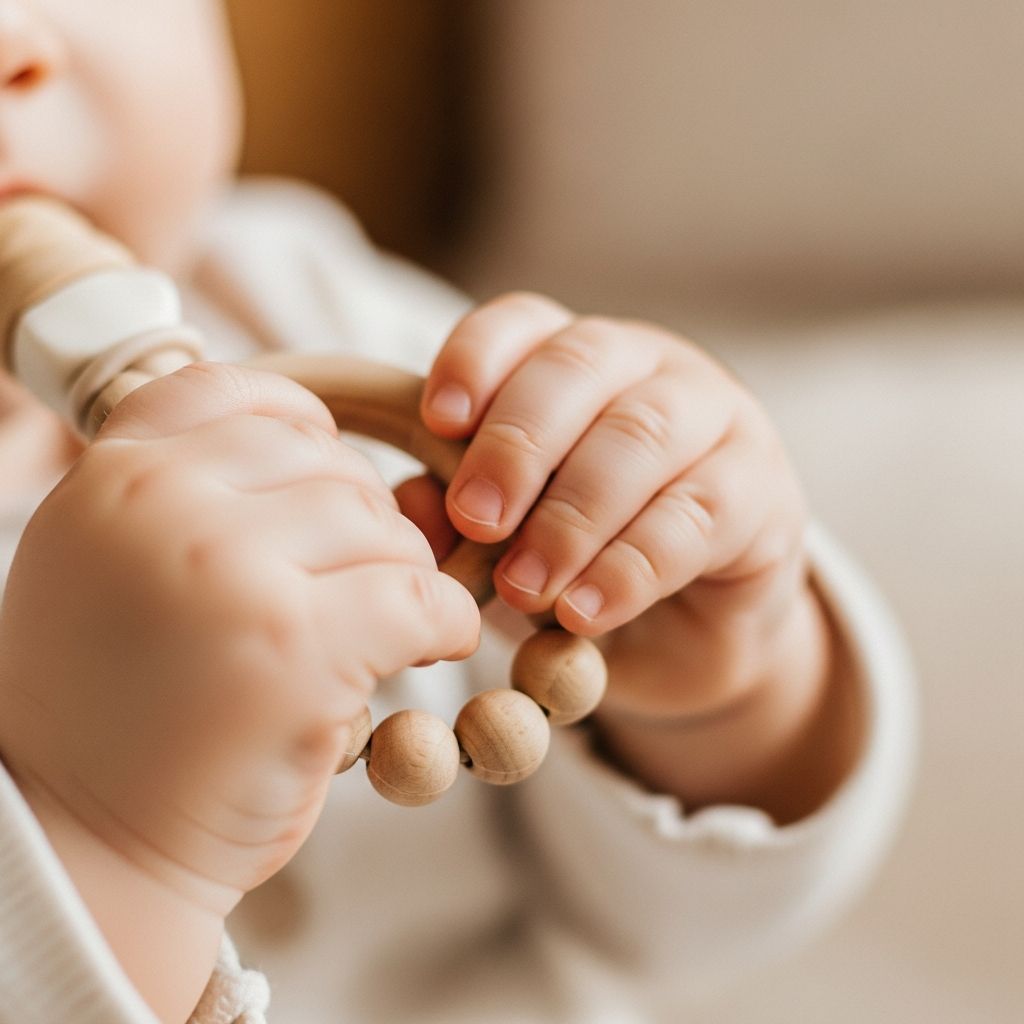
When a baby or young toddler suddenly sinks their tiny teeth into your shoulder, arm, or chest, it can be shocking, painful, and very emotional. Many loving parents find themselves asking, “Why is my baby biting me, and how do I make it stop without being harsh?” This guide offers calm, respectful, and practical ways to respond that protect everyone while still honoring your child’s feelings and developmental stage.
Why Babies Bite: More Than “Bad Behavior”
Biting in infancy and toddlerhood is almost always a sign of a need or feeling, not a sign of a “bad” child. Understanding the root causes helps you respond wisely instead of reactively.
- Teething discomfort: Sore gums and constant pressure can make biting feel soothing and relieving.
- Exploration and curiosity: Babies learn with their mouths; biting is one way they explore textures, cause and effect, and reactions.
- Big feelings: Frustration, anger, fear, and excitement often show up physically before a child has words.
- Overstimulation: Too much noise, activity, or touch can make a baby snap with a bite when they feel overwhelmed.
- Communication: Some babies bite to say “Stop,” “I’m done,” or “Pay attention to me” when they lack language.
Seeing biting as a form of communication does not mean accepting it as okay. It simply means you address the cause and the behavior together, instead of just punishing the bite.
Staying Calm in the Moment
The way you respond in the first few seconds after a bite sets the tone. Your goal is to stay calm, be clear, and keep everyone safe.
- Pause and breathe: Take one slow breath before speaking. This helps you avoid yelling or reacting out of anger.
- Use a firm, neutral voice: Short, simple phrases work best, like “No biting. Biting hurts.”
- Gently separate: If your baby is in your arms, calmly shift them away from the bitten area or place them down safely.
- Check for injury: Quickly look at the bite mark and treat it if needed, especially if skin is broken.
Your calm presence teaches far more effectively than a long lecture or angry reaction. You are modeling how to manage big feelings and impulses.
What to Say Instead of Yelling
Harsh words, threats, or shaming comments can scare or confuse babies. Clear, short messages are enough to set a boundary.
- “I won’t let you bite. That hurts.”
- “Mouth is for food, not for biting people.”
- “You can bite this toy, not my arm.”
- “You seem upset. I’m here. No biting.”
Use the same phrases consistently. Over time, your baby begins to connect the words, your tone, and your actions with the limit you are setting.
Protecting Yourself While Teaching Gently
Compassionate parenting does not mean allowing yourself to be hurt. You can be both gentle and very clear that biting is not okay.
- Increase your physical awareness: When you know your baby tends to bite when sleepy, overstimulated, or excited, keep a bit more physical distance or hold them differently at those times.
- Shift positions during feeding: If you are breastfeeding and your baby bites, calmly stop the feed, say “No biting. That hurts,” and take a short break before offering again.
- Offer safe alternatives: Keep teethers, cool washcloths, or chewy toys nearby and redirect your baby’s mouth onto those if they start to mouth your skin.
- End rough play early: If play starts getting wild and your baby often bites when overexcited, gently wind down before things tip over into biting.
Addressing Different Types of Biting
| Situation | Possible Reason | Helpful Response |
|---|---|---|
| Biting while breastfeeding | Teething, boredom, or being full | Calmly end the feed, say “No biting,” give a teether, and offer the breast again later. |
| Biting during play | Overexcitement or experimenting | Stop play briefly, state the limit, switch to a calmer activity, or give a safe object to bite. |
| Biting when frustrated | Can’t express feelings with words | Label the feeling (“You’re mad”) and show a different way to express it, like stomping feet or using a simple word. |
| Biting other children | Defending toys or personal space | Step in, separate children, comfort both, describe what happened, and practice gentler ways to ask for space or toys. |
| Random-seeming bites | Overstimulation or sensory needs | Reduce noise/activity, offer a break in a quiet space, and provide sensory toys or chewable items. |
Helping Your Baby Express Big Feelings
Biting often shows up when feelings are too big for a baby to handle alone. Your job is to be the steady anchor when their emotions feel stormy.
- Notice early signs: Fussing, turning away, pushing you, or whining can be early clues that your baby is reaching their limit.
- Offer comfort before the bite: A change of scenery, a cuddle, or a short break can sometimes prevent biting altogether.
- Use simple feeling words: Even before your child can talk, label emotions: “You’re tired,” “You’re angry,” “You’re done playing.” Over time, this builds emotional vocabulary.
When a bite does happen, allow your baby to cry or express frustration in safer ways while you stay close and calm. You are teaching, “All your feelings are okay; hurting is not.”
Setting Consistent, Respectful Limits
Consistency is one of the most powerful tools you have. Repeating the same limit and following through in the same way helps your baby understand what to expect.
- Respond the same way each time: Short phrase, gentle separation, and redirect to a safe alternative.
- Involve all caregivers: Share your plan with partners, grandparents, or babysitters so your child gets one clear message about biting.
- Avoid mixed messages: Do not laugh at “play bites” sometimes and then scold at other times. What feels inconsistent to you feels confusing to your baby.
Respectful limits are not harsh; they are clear, predictable, and enforced with kindness. This balance helps biting fade as your child’s skills grow.
Practical Prevention Strategies You Can Use Today
Preventing biting is often easier than managing it after the fact. Small daily choices can reduce the chances that your baby will feel the urge to bite.
- Watch the clock: Many babies are more likely to bite when tired, hungry, or overstimulated. Shorten activities before naps or meals.
- Offer frequent chewing opportunities: Teethers, crunchy snacks (when age-appropriate), or chew-safe toys can satisfy the need to bite.
- Keep groups small: If your baby bites more in crowded playgroups, try shorter visits or quieter settings.
- Build in daily connection: A few minutes of undistracted one-on-one time can lower attention-seeking biting.
Teaching Gentle Touch Over Time
Instead of only saying what not to do (“No biting”), show your child what to do instead. Babies learn best from concrete, physical examples.
- Demonstrate softness: Take your baby’s hand and guide it in a gentle stroke on your cheek, saying “Gentle touch.”
- Practice during calm moments: Play games that involve soft touches, blown kisses, and light hugs when your baby is relaxed.
- Notice and praise gentleness: When your baby pats, cuddles, or kisses gently, comment warmly: “That’s so gentle.”
Over time, these positive experiences give your child a clear picture of what safe, loving physical contact looks and feels like.
Sample Calm Response Plan
Creating a simple plan can make you feel more prepared and less reactive. Here is an easy three-step approach you can adapt:
- Stop and protect: Gently move your baby away, secure the bitten person, and check for injury.
- State the limit: Use a short, firm phrase such as “No biting. Biting hurts.”
- Redirect and reconnect: Offer a teether or toy to bite instead and, once everyone is calm, offer a cuddle or soothing activity.
Write this plan down and share it with other caregivers so that everyone responds in a similar way. Unity and repetition help your baby learn faster.
Common Mistakes to Avoid
Even loving parents can accidentally make biting worse with certain reactions. Being aware of these pitfalls makes it easier to choose a different path.
- Overreacting with yelling or shaming: Big reactions can scare your baby, increase anxiety, or even make biting more interesting because it gets so much attention.
- Biting back or using pain as a lesson: Hurting a child to “teach” them that biting hurts damages trust and teaches that bigger people can use pain to control others.
- Ignoring repeated biting: While one small incident may pass, frequent bites need consistent, thoughtful responses to protect everyone involved.
- Labeling your child: Calling them “a biter,” “naughty,” or “mean” can shape how you see them and how they see themselves.
Focus on the behavior, not your child’s character. The message is, “You are good. Biting is not okay.”
When to Seek Extra Support
In most cases, biting is a passing phase that improves as children gain language and self-control. Still, there are times when an outside perspective can help.
- If biting is very frequent or severe: For example, biting hard enough to break skin regularly or targeting others repeatedly.
- If nothing seems to help: You have tried consistent, gentle strategies for several weeks with no change.
- If there are other concerning behaviors: Extreme aggression, withdrawal, or developmental delays may signal a need for a professional evaluation.
Talking with a pediatrician or child development specialist can offer reassurance, tailored guidance, and, when necessary, referrals for further support.
FAQs About Baby Biting Parents
Is my baby trying to hurt me on purpose?
Babies and young toddlers rarely have the intention to cause harm in the way adults think of it. They bite because of discomfort, curiosity, or overwhelming feelings, not out of malice. That said, they do notice your reactions, which is why calm, clear responses matter.
Should I say “no” firmly, or is that too harsh?
A brief, firm “no” combined with a simple explanation like “Biting hurts” is not too harsh. The key is your tone. A steady, confident voice paired with gentle actions teaches boundaries without frightening your child.
What if my baby laughs when I say no?
Laughter may be a sign of nervousness, confusion, or simply being engaged with your face and voice, not necessarily that they find your pain funny. Stay calm, repeat your message, and redirect to a safe object to bite instead of turning it into a joke or a power struggle.
How long does the biting phase last?
The length of this phase varies widely. For many children, it comes and goes in short bursts tied to teething or stressful changes. Consistent, gentle responses and growing language skills tend to reduce biting over time.
Is it okay to use time-out for biting?
For very young children, long or isolating time-outs are often more confusing than helpful. Briefly separating to keep everyone safe is appropriate, but staying close, offering comfort, and guiding your child toward better choices tends to be more effective than punishment-focused approaches.
Supporting Yourself as a Parent
Biting can feel personal, especially when you are exhausted and doing your best. It helps to remember that this behavior is a developmental issue, not a reflection of your worth as a parent.
- Talk about it: Share your experience with trusted friends, your partner, or a parenting group so you do not feel alone.
- Take short breaks: If you feel very triggered, ensure your baby is safe and take a moment to breathe or sip water before re-engaging.
- Celebrate small changes: Notice slight improvements, like softer bites, fewer incidents, or more gentle touches. Progress is often gradual.
As you stay steady, connected, and clear about the limit, your baby gradually learns that biting is not needed to get comfort or attention. Your calm guidance now builds the foundation for empathy, self-control, and respectful communication in the years ahead.