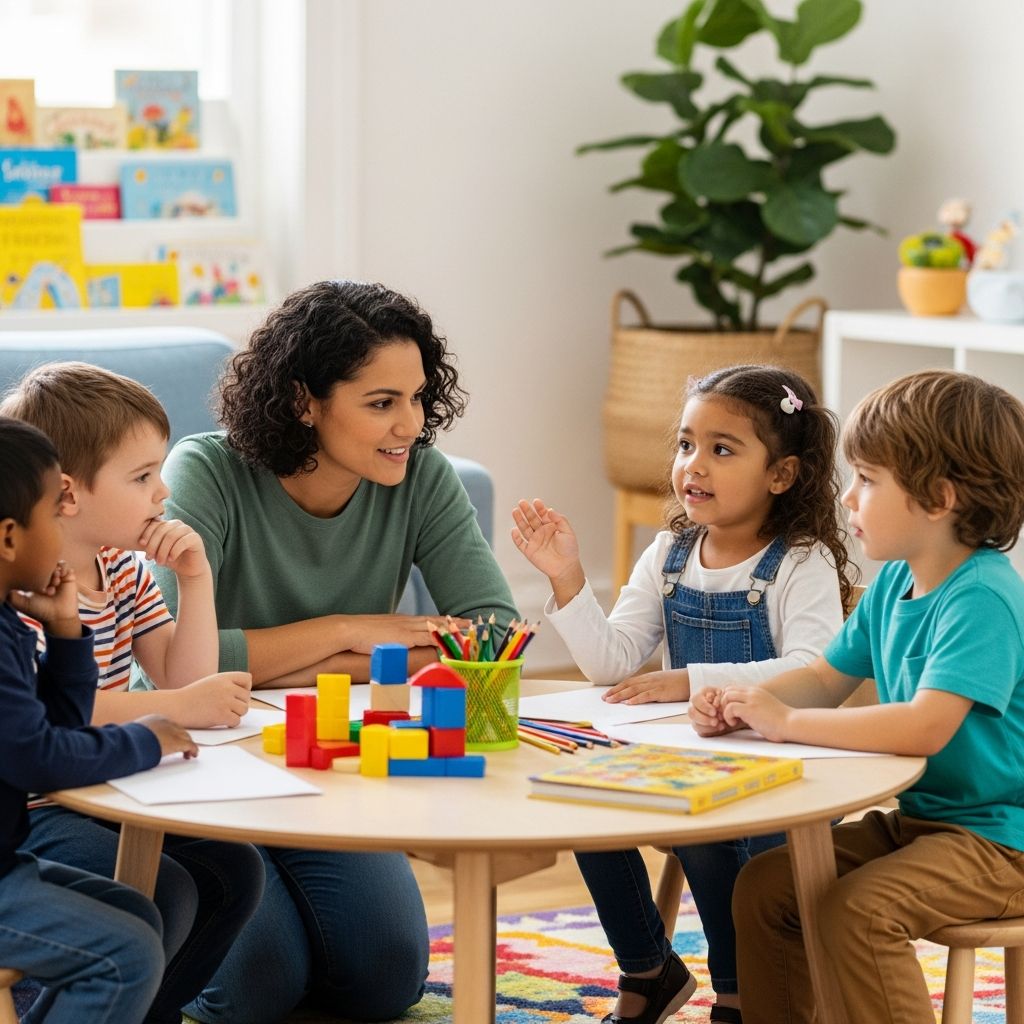
Parenting in today’s fast-paced world often feels like a solitary marathon, but embracing help transforms it into a shared journey that strengthens both you and your family. Far from being a flaw, requesting assistance is a deliberate choice that enhances your effectiveness as a caregiver.
Understanding the Parenting Isolation Trap
Modern parenting can evoke profound feelings of solitude, even amidst bustling family life. Many parents grapple with uncertainty, second-guessing decisions from bedtime routines to educational choices. This isolation stems from societal pressures portraying the ideal parent as self-sufficient and unflappable.
Research from child development experts underscores that no individual was designed to navigate child-rearing alone. Historical communities thrived on mutual aid, a model diluted by contemporary nuclear family structures and demanding schedules. Recognizing this gap is the first step toward reclaiming balance.
- Daily overload from work, chores, and childcare creates emotional fatigue.
- Social media amplifies comparison, fostering doubt in one’s abilities.
- Lack of nearby family networks leaves gaps in practical support.
Addressing these realities head-on prevents escalation into chronic stress, paving the way for healthier family dynamics.
Debunking the Myth of the Solo Superparent
The notion that seeking aid equates to inadequacy is a pervasive falsehood. In truth, it reflects wisdom and foresight. Parents who shoulder every burden risk burnout, which impairs judgment and emotional availability for children.
Psychological studies reveal that conscientious individuals—those most invested in perfect parenting—often internalize impossible standards. This self-imposed pressure whispers that struggles signal failure, yet evidence shows otherwise: acknowledging limits is a hallmark of effective leadership, including in family roles.
| Myth | Reality |
|---|---|
| Asking for help means you’re weak. | It demonstrates self-awareness and resourcefulness. |
| Good parents handle everything alone. | Thriving families leverage community strengths. |
| Needing support harms your child’s view of you. | Modeling vulnerability teaches resilience and collaboration. |
Reframing help as a strategic tool liberates parents from unnecessary suffering, allowing focus on joyful moments.
Psychological Roots of Help-Avoidance
Resistance to seeking support often traces back to early life experiences. If childhood needs were dismissed or met with criticism, adults may equate vulnerability with danger. This learned response prioritizes self-reliance over connection, even when counterproductive.
Therapists note that parental burnout intensifies this pattern. Phrases like “It’s just a phase” or “Others manage fine” mask deeper exhaustion. Conscientious parents, striving hardest, bear the heaviest loads, convinced extra effort will suffice.
Breaking this cycle begins internally. Self-compassionate dialogue—such as “This is tough, and that’s valid”—creates mental space. External validation follows, reinforcing that shared loads lighten universally.
Practical Strategies for Building Your Support Network
Constructing a reliable “village” requires intentional steps, starting small to build momentum.
- Assess Your Needs: Identify specific pain points, like meal prep or emotional check-ins, without judgment.
- Start Locally: Engage at school events to connect with peers facing parallel challenges.
- Leverage Digital Communities: Join moderated online forums for anonymous advice and solidarity.
- Delegate Household Tasks: Accept offers for rideshares or babysitting to normalize reciprocity.
- Seek Professional Input: Consult therapists for tailored coping tools, often via low-commitment intro sessions.
These actions cultivate trust, turning acquaintances into allies. Over time, mutual exchanges create a robust safety net.
Benefits of Collaborative Parenting for Family Health
Embracing support yields tangible gains across physical, emotional, and relational domains. Parents report heightened calm, better sleep, and renewed energy for playtime. Children benefit from observing balanced role models who prioritize well-being.
Studies from family wellness organizations confirm reduced stress hormones in supported households, correlating with improved child behavior and academic outcomes. Long-term, this fosters intergenerational patterns of openness.
- Enhanced mental clarity for decision-making.
- Stronger bonds through shared experiences.
- Modeled healthy boundaries for kids.
Ultimately, collaborative parenting elevates everyone, proving unity outperforms isolation.
Navigating Common Barriers to Requesting Aid
Even armed with insights, hesitation lingers. Fear of judgment or burdening others looms large. Counter this by framing requests specifically: “Could you watch the kids for an hour Tuesday?” Clarity invites positive responses.
Not all networks suit every need; discernment is key. Choose compassionate, reliable contacts over obligatory family ties. If local options falter, professional services bridge gaps effectively.
Practice gradual exposure: Begin with low-stakes asks, celebrating each success to rewire neural pathways toward confidence.
Real-Life Transformations Through Support
Consider myriad parents who’ve shifted paradigms. One mother, overwhelmed post-partum, joined a playgroup and found meal-train partners, reclaiming evenings for rest. Another father, battling work-life strain, initiated neighbor swaps, boosting family morale.
These anecdotes echo broader trends: Help-seeking correlates with sustained parenting satisfaction. Virtual testimonials abound, affirming universality.
Frequently Asked Questions (FAQs)
What if asking for help feels uncomfortable at first?
Discomfort is normal but fades with practice. Start micro—text a friend for advice—and build from there for growing ease.
Does seeking therapy mean I’m failing as a parent?
No, therapy equips you to parent better, addressing root stressors for calmer, more present interactions.
How do I find trustworthy support people?
Prioritize those who’ve earned trust through consistency; school, community groups, and vetted online spaces are prime starting points.
Can single parents build a village too?
Absolutely—many thrive via apps, co-ops, and local nonprofits designed for diverse family structures.
What about cultural stigmas around help?
Challenge them by leading: Your openness inspires others, gradually shifting norms in your circle.
Sustaining Your Support Ecosystem Long-Term
Help isn’t one-off; nurture it through gratitude, reciprocity, and check-ins. Annual reviews of your network ensure evolving needs met. As children grow, adapt by involving them in age-appropriate ways, teaching communal values.
Incorporate routines like weekly parent meetups or shared calendars. This infrastructure weathers life’s storms, from illness to transitions.
Parenting’s demands fluctuate, but a fortified support system provides stability. View it as an investment yielding exponential returns in joy and resilience.
References
- Parenting: The Importance of Asking for Help — Soberlink. 2023-05-15. https://www.soberlink.com/family-law-blog/parenting-the-importance-of-asking-for-help
- Why It Feels So Hard to Ask for Help as a Parent — Dr. Katy Hill. 2024-02-10. https://drkatyhill.com/asking-for-help-as-a-parent/
- You ARE a good enough parent. Asking for help is not a weakness! — The Drizzle Effect. 2023-08-22. https://www.thedrizzleeffect.com/post/you-are-a-good-enough-parent-asking-for-help-is-not-a-weakness
- Why Asking for Help as a New Mom Isn’t a Weakness — Gardner Therapy Group. 2024-01-05. https://www.gardnertherapygroup.com/blog/why-asking-for-help-as-a-new-mom-isnt-a-weakness
- Asking For Help Does Not Make You a Bad Mom — Her View From Home. 2023-11-12. https://herviewfromhome.com/asking-for-help/