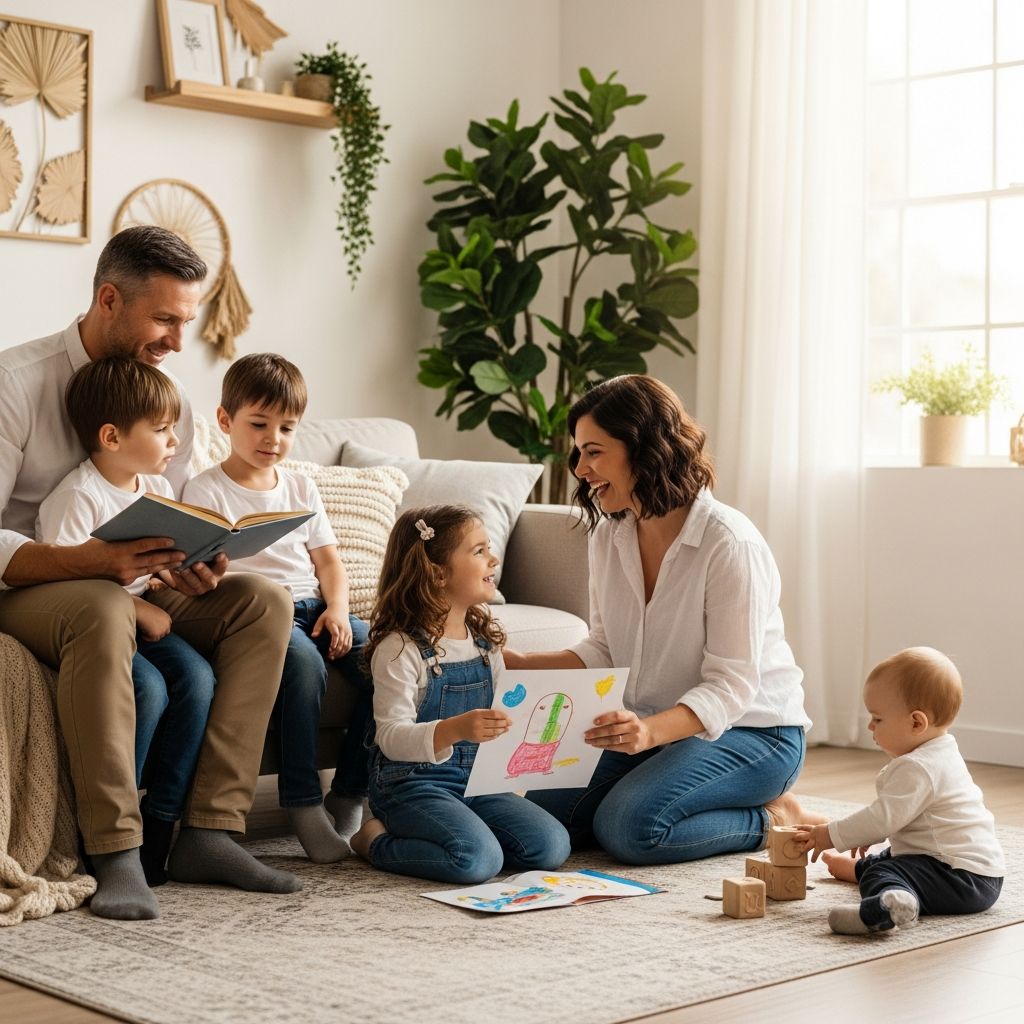
Finding the Right Activities for Your Family’s Parenting Philosophy
Every family operates within a unique framework of values, expectations, and interaction styles. Research in developmental psychology has long established that parenting approaches significantly influence how children develop emotionally, socially, and cognitively. Just as parenting philosophies vary widely, so too should the activities families engage in together. Rather than subscribing to a one-size-fits-all approach to children’s activities, families benefit from selecting pursuits that align authentically with their parenting values and household dynamics.
The connection between parenting style and activity selection is often overlooked, yet it remains fundamental to creating meaningful family experiences. When activities complement a family’s natural approach to discipline, communication, and independence, children experience greater engagement and parents feel less stressed about logistics and outcomes. This alignment creates an environment where both parent and child can thrive without constantly swimming against their family’s inherent current.
The Foundation: Understanding Your Parenting Framework
Before diving into specific activity recommendations, families should reflect on their underlying parenting approach. Psychologists identify several distinct parenting styles, each characterized by different levels of structure, warmth, and responsiveness. Understanding where your family falls on this spectrum helps illuminate which activities will feel natural and rewarding rather than forced or exhausting.
Parenting approaches exist on a spectrum rather than as rigid categories. Some families lean toward providing extensive guidance and clear expectations, while others prioritize independence and self-direction. Many families operate in the middle ground, adjusting their approach based on the situation, the child’s age, and their own emotional capacity on any given day. The goal isn’t to fit your family into a predetermined box, but rather to understand your natural inclinations and choose activities that enhance rather than contradict them.
Structure-Focused Families and Purposeful Activities
Families that prioritize clear expectations, defined rules, and structured guidance often find satisfaction in activities with measurable outcomes and defined parameters. These households typically appreciate knowing what to expect, having step-by-step instructions, and understanding the purpose behind each activity.
For families with this orientation, consider activities that include:
- Organized team sports with established rules and coaching
- Structured classes such as music lessons, martial arts, or dance instruction
- Science experiments with clear hypotheses and documented results
- Building projects with instruction manuals and defined completion points
- Volunteer opportunities with set schedules and defined responsibilities
These activities provide the framework that structure-oriented families appreciate while still offering opportunities for children to develop new skills and confidence. The clear expectations help children understand what success looks like, and parents can provide targeted feedback and recognition for progress. Additionally, many of these activities offer external validation through competitions, performances, or certifications that resonate with families who value measurable achievement.
Responsive and Warmth-Centered Families
Families that emphasize emotional connection, open communication, and collaborative decision-making thrive when activities create space for dialogue and mutual exploration. These parents tend to ask their children’s opinions, adapt plans based on feedback, and prioritize the relational aspects of activities over rigid outcomes.
Activities well-suited to this approach include:
- Unstructured nature exploration and outdoor adventures
- Cooking or baking together with flexibility in ingredients or techniques
- Art projects without predetermined “correct” outcomes
- Movie nights followed by family discussions
- Travel experiences focused on exploration rather than checking off attractions
- Game nights where house rules can be modified
These families often find that the conversations happening during the activity matter more than the activity itself. A cooking project becomes an opportunity to share stories, ask questions about each child’s day, and adjust the plan on the fly based on what family members are interested in. The lack of rigid structure allows for authentic interaction and creates space for children to express preferences and influence family decisions.
Autonomy-Supporting Families and Self-Directed Exploration
Some families operate with a philosophy that emphasizes independence, self-discovery, and allowing children to learn from experience. These households trust their children’s judgment and intentionally step back to allow them to navigate challenges and make decisions. For these families, activities should promote choice, independence, and intrinsic motivation.
Consider these options for autonomy-supporting families:
- Solo or small-group hobbies that children pursue independently
- Summer camps or programs where children attend without constant parental involvement
- Skateboarding, hiking, or other individual sports
- Computer programming, writing, or other creative projects
- Starting a small business or garden project
- Self-directed learning through books, documentaries, or online resources
For families with this orientation, the parent’s role shifts from director to supporter. Rather than enrolling children in multiple supervised activities, these families might provide resources and opportunities, then trust their children to explore their interests. This approach fosters self-confidence and intrinsic motivation but requires parents to tolerate some discomfort when their children struggle or make mistakes without intervention.
Balancing Parenting Style with Child Development Stages
While alignment between parenting approach and activities matters significantly, families should also consider developmental appropriateness. Very young children require more structure and supervision regardless of a family’s philosophy. As children mature, they become better equipped to handle the independence and flexibility that some families naturally provide.
A family that highly values independence might still need to provide more guidance and structure for a five-year-old than for a fifteen-year-old. Conversely, a family that typically provides extensive direction can gradually increase opportunities for choice as children demonstrate capability. The goal is thoughtful flexibility rather than rigid adherence to a particular approach.
Additionally, different children within the same family may thrive with different activity styles. One child might flourish in structured team sports while a sibling prefers independent creative pursuits. Responsive parents notice these differences and support each child’s preferences rather than forcing all children into the same mold.
Creating Inclusive Activities When Styles Differ
Many families include both partners with somewhat different parenting inclinations, or extended family members who approach things differently than the primary caregivers. When a family includes people with varied approaches to structure and guidance, activities can be designed to accommodate multiple styles.
For example, a family outing might include structured elements (defined hiking route, packed lunch at a specific time) alongside unstructured elements (time for free exploration, flexibility to try side trails, no agenda for the afternoon). Board games can have official rules for those who want them, with house rules available for those who prefer flexibility. Home projects can include step-by-step instructions for family members who appreciate guidance, with room for improvisation for those who don’t.
This inclusive approach teaches children that different preferences are valid and helps them develop flexibility themselves. It also models respect for different ways of being and reduces conflict about how family time should be spent.
Assessing Activity Fit Beyond Parenting Style
While parenting style is important, other factors influence whether an activity works for your family. Consider your family’s:
- Financial resources and budget constraints
- Geographic location and access to transportation
- Time availability given work schedules and other commitments
- Individual children’s interests, abilities, and temperaments
- Family health considerations or accessibility needs
- Cultural values and traditions
An activity perfectly aligned with your parenting style won’t work if your family can’t afford it, can’t get there, or your children actively dislike it. The most successful activities meet multiple criteria: they align with your parenting approach, fit your family’s practical circumstances, and genuinely interest the participants.
Transitioning Activities as Children Grow
Families benefit from periodically reassessing their activity choices as children develop and circumstances change. An activity that worked beautifully when children were young may feel stale or developmentally inappropriate as they mature. Similarly, activities that seemed misaligned with your parenting style might become relevant as your child develops new interests.
Involve your children in this reassessment process. Ask what they’ve enjoyed, what they’ve outgrown, and what new directions they’d like to explore. This collaborative approach respects their developing autonomy while maintaining parental guidance. It also prevents the common trap of families continuing activities simply out of habit or obligation rather than genuine engagement.
Frequently Asked Questions
What if my parenting style doesn’t match the most recommended approach?
Research suggests certain styles have more consistently positive outcomes, but this doesn’t mean other approaches are inherently wrong. The most important factors are intentionality, warmth, and genuine engagement with your children. When you choose activities aligned with your authentic style, you’re more likely to be present and enthusiastic, which children experience as support and care.
Can we switch activity styles or try something completely different?
Absolutely. Families can experiment with activities that stretch their comfort zone or try hybrid approaches. This teaches children flexibility and exposes them to different ways of being. However, if you’re consistently stressed or frustrated by an activity, that’s important information that it may not align well with your family’s natural approach.
How much should children’s preferences influence activity selection?
This varies by age and parenting philosophy. Young children often need parental direction to discover what they enjoy. As they mature, their input becomes increasingly important. Most families benefit from balancing parental wisdom about what’s developmentally beneficial with respect for children’s genuine interests and preferences.
Is it okay if different family members prefer different types of activities?
Yes, and honoring these differences strengthens families. You can support individual pursuits while also maintaining shared family activities that everyone participates in, even if they’re not everyone’s first choice.
How do we balance alignment with our style while exposing children to new experiences?
Your core family activities can reflect your natural approach while exploration and experimentation happen within that framework. Think of your parenting style as the home base while activities are the adventures you take from there.
References
- Understanding the Four Types of Parenting Styles with a Conscious Parenting Perspective — American SPCC. 2024. https://americanspcc.org/the-4-types-of-parenting-styles/
- Types of Parenting Styles and Effects on Children — StatPearls, National Center for Biotechnology Information (NCBI). 2024. https://www.ncbi.nlm.nih.gov/books/NBK568743/
- Pros and Cons of 4 Parenting Styles — Wellspring Center for Prevention. 2024. https://wellspringprevention.org/blog/pros-cons-parenting-styles/
- The Psychology Behind Different Types of Parenting Styles — Jessup University. 2024. https://jessup.edu/blog/academic-success/the-psychology-behind-different-types-of-parenting-styles/