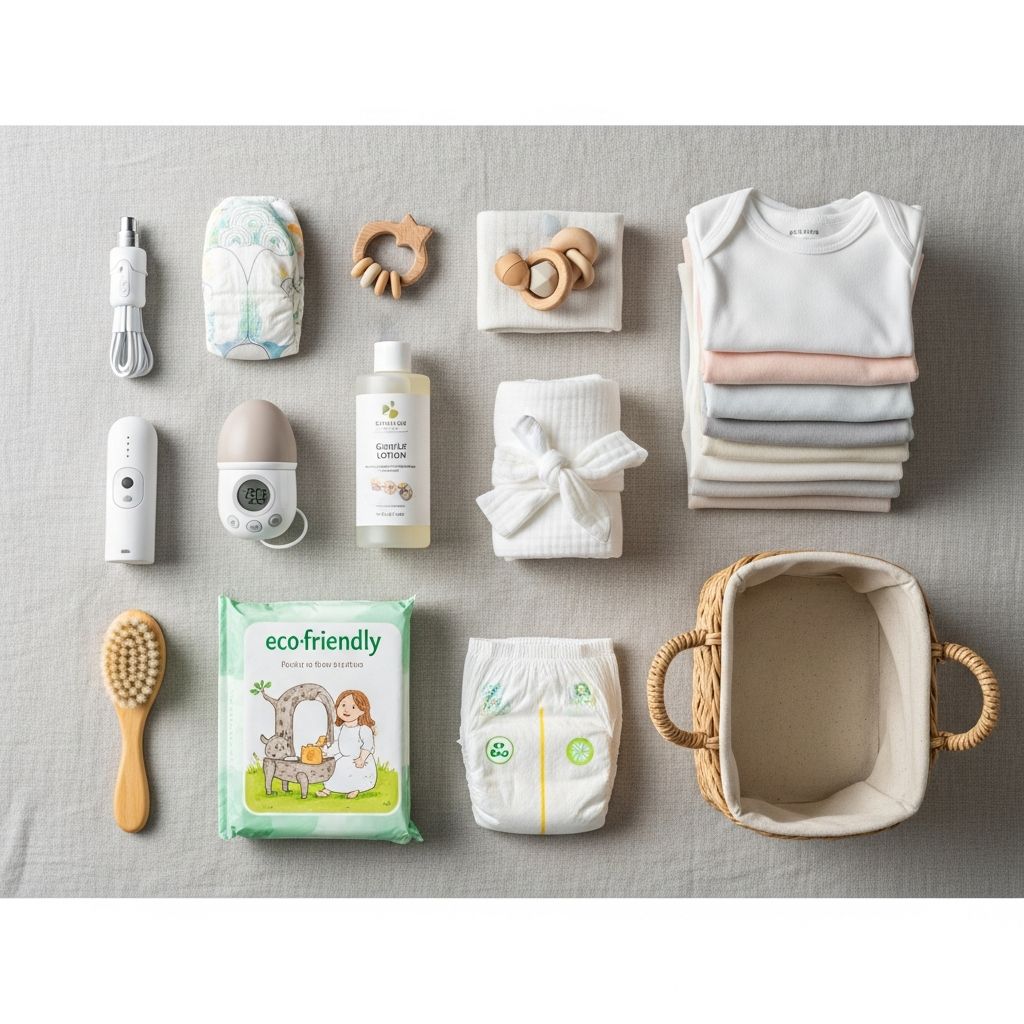
Everyday routines like changing a baby’s diaper offer unexpected opportunities to instill core values such as respect and personal boundaries. While infants cannot verbally agree, engaging them through narration, eye contact, and pauses builds a foundation for understanding that their body and feelings matter. This approach, inspired by child development experts, transforms mundane tasks into lessons in autonomy and trust.
The Foundations of Early Consent Education
Consent education begins not in adolescence but from birth. Parents and caregivers can model respectful interactions during essential care by explaining actions beforehand, such as ‘I’m going to lift your legs now,’ and watching for non-verbal cues like smiles or fussing. This practice acknowledges the infant as a capable individual with preferences, even if dependent.
Child development research emphasizes treating infants with dignity to promote secure attachments. By verbalizing intentions, caregivers demonstrate presence and attentiveness, helping babies feel secure and valued. This mirrors how we’d want to be treated in vulnerable states, like elderly care scenarios where communication reduces distress.
Core Principles Behind the Practice
- Verbal Narration: Describe each step to build predictability and inclusion.
- Eye Contact and Pauses: Wait briefly for body language responses, signaling that their signals are noticed.
- Offering Choices: When feasible, let babies decide minor aspects, like which toy to hold.
- Respecting Cues: Adjust based on fussiness or contentment to honor their comfort.
These steps create a ‘culture of consent’ without implying negotiation over necessities. Instead, they teach that relationships thrive on mutual awareness and kindness.
Links to Established Parenting Philosophies
This method aligns closely with **Resources for Infant Educarers (RIE)**, developed by Magda Gerber. RIE views infants as competent humans deserving authenticity and respect. Key tenets include narrating actions, allowing safe exploration, and avoiding over-stimulation. Diaper changes exemplify RIE by turning care into collaborative moments.
| RIE Principle | Application in Diaper Changes | Benefits |
|---|---|---|
| Authenticity | Speak honestly about what’s happening | Builds trust through transparency |
| Autonomy | Observe and respond to cues | Fosters self-awareness |
| Minimal Interference | Avoid distractions; focus on the child | Reduces resistance |
| Observation | Watch for readiness signals | Improves caregiver sensitivity |
RIE has influenced modern parenting by shifting focus from efficiency to emotional connection. Parents report calmer routines and stronger bonds.
Practical Strategies for Implementation
Start simple: Approach the baby calmly, make eye contact, and say, ‘It’s time for a diaper change. I’ll pick you up now.’ Pause. During the change, narrate: ‘Wiping gently… new diaper coming.’ Use correct terms like ‘bottom’ or anatomical names to normalize body parts.
For wriggly infants, offer distractions sparingly; instead, engage directly. If resistance occurs, soothe verbally without force. Over time, this leads to fewer struggles as babies learn to anticipate and feel involved.
- Prepare the space beforehand to minimize delays.
- Maintain a soothing tone.
- End positively: ‘All done! Good job.’
- Reflect post-change: Did they relax? Adjust next time.
Adapt for multiples or public settings by prioritizing safety while aiming for respect.
Addressing Common Criticisms
Skeptics argue infants can’t consent, making the idea absurd or harmful. Critics like commentator Julia Hartley-Brewer question if it confuses parental authority with negotiation, potentially eroding trust.
Proponents counter that it’s not literal permission but modeling respect. Babies sense tone and attention, associating care with positivity. No evidence suggests harm; instead, studies on responsive caregiving link it to better emotional regulation.
Distinguish: Consent applies to non-essential touch (hugs from relatives), while care necessities use dialogue for dignity. This prevents overreach while teaching boundaries.
Long-Term Developmental Benefits
Early practices yield lasting gains. Children raised with consistent respect show higher self-esteem, better communication, and stronger assertion of boundaries. A study from the American Academy of Pediatrics notes responsive parenting predicts secure attachments, reducing behavioral issues.
As toddlers, these children verbalize needs more effectively: ‘No, not now.’ This equips them against peer pressure or unsafe situations later. Sexuality educators like Deanne Carson advocate starting young to normalize body sovereignty.
Parental benefits include mindful routines, less burnout, and deeper joy in caregiving. One parent shared: ‘Diaper fights vanished; my baby now smiles at change time.’
Real-World Examples from Parents
Many have adopted this after initial doubts. Nisha Moodley asks before holding her baby, seeking ‘yes’ in body language. Another mom noted calmer changes and spillover effects, like cooperative dressing.
In group care, educators use it to teach peers about personal space. Australian experts Dr. Nicole Downs and Dr. Katherine Bussey recommend choices like ‘Walk or carry?’ to build agency.
‘Treating my infant with respect from day one changed everything. She’s confident now at two.’ – Anonymous parent
Frequently Asked Questions (FAQs)
What if the baby cries during the change?
Validate feelings: ‘I see you’re upset. I’m here, finishing quickly.’ Comfort without rushing; consistency builds tolerance.
Is this only for diaper changes?
No—apply to baths, dressing, feeding. Narrate all transitions for holistic respect.
Does it work with older toddlers?
Yes, evolves to real choices: ‘Blue or red socks?’ Reinforces autonomy.
What about emergencies, like blowouts?
Prioritize hygiene, but narrate briefly. Resume full practice when calm.
Can this prevent future consent issues?
It models healthy dynamics, aiding teens in recognizing and enforcing boundaries.
Expanding Respect Beyond Diapers
Integrate into daily life: Inform before picking up, explain departures (‘Back soon’), allow safe falls. Combine with play: Let babies lead exploration. Track progress via journals noting calmer responses.
Community resources like RIE classes amplify benefits. Books such as Gerber’s ‘Your Self-Confident Baby’ provide deeper dives.
Challenges: Time constraints, fatigue. Start with one change daily; habits form quickly.
Expert Insights and Evidence
While controversial, peer-reviewed work supports responsive care. Magda Gerber’s RIE, observed over decades, shows infants thrive with respect. Australian academics advocate anatomical language for body positivity.
No high-quality RCTs exist solely on diaper consent, but attachment theory (Bowlby) underpins it: Sensitive responding fosters security.
References
- You Should Ask Your Baby’s Permission Before Changing Diaper — The Bump. 2018-approx. https://www.thebump.com/news/ask-permission-diaper-change
- Why I Started Asking My Baby’s ‘Permission’ Before Diaper Changes — Scary Mommy. 2018-approx. https://www.scarymommy.com/parenting/ask-babys-permission-respect-consent
- Scientists Say Parents Should Ask Babies Consent For Nappy — TalkTV (YouTube). 2025-11-18. https://www.youtube.com/watch?v=weIq38pbHN8