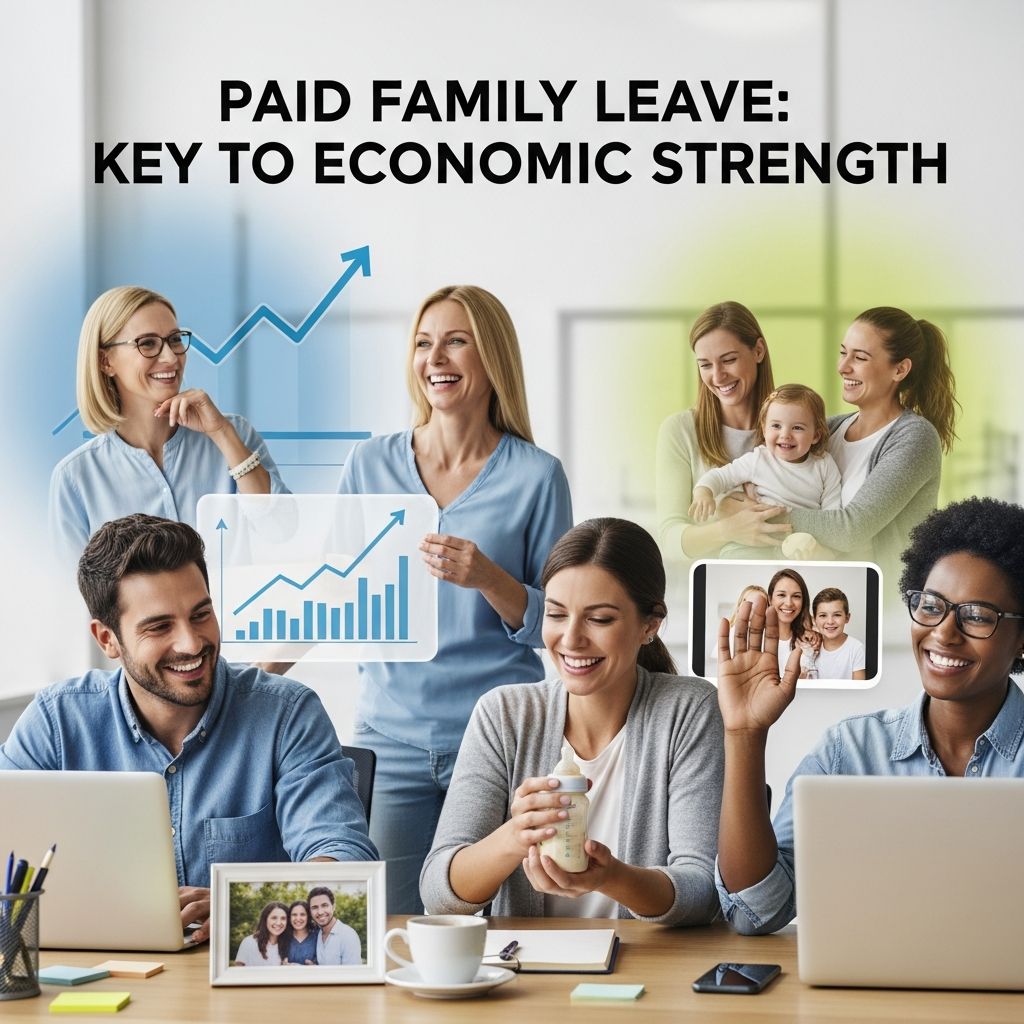
The United States stands alone among developed nations without a national paid family leave policy, creating barriers for working parents that ripple through families, businesses, and the broader economy. This gap forces millions to choose between family needs and financial stability, stifling productivity and exacerbating gender disparities.
The Urgent Need for Paid Family Leave in America
Working parents, particularly mothers, face immense pressure balancing career demands with caregiving responsibilities. Without paid leave, many forgo essential time off for childbirth, illness, or family emergencies, leading to job loss or reduced earnings. Pre-pandemic data revealed that only 17% of workers had access to employer-provided paid family leave, with even lower rates for Black, Indigenous, and people of color communities. This scarcity intensified during crises, pushing countless women out of the workforce.
Senator Tammy Duckworth, a mother and combat veteran, has been a vocal advocate, drawing from personal experience to highlight these inequities. As one of the few senators to give birth while in office, she navigated outdated Senate rules that nearly prevented her from voting during parental leave. Her efforts underscore a systemic failure: workplaces designed for a bygone era, ignoring the realities of modern families where dual-income households are the norm.
Economic Consequences of No Paid Leave
The lack of paid family leave imposes significant economic costs. When parents cannot afford time off, childcare expenses skyrocket—infant care often exceeds 80% of a minimum-wage worker’s annual income in many states. This deters workforce participation, particularly among women, resulting in lost wages and long-term career setbacks. Research shows mothers re-entering the workforce after extended breaks face substantially lower pay, perpetuating the gender wage gap.
Businesses suffer too. High turnover from unsupported parents increases recruitment and training costs. A robust paid leave policy could enhance employee retention, boost productivity, and attract talent. Nationally, the economy loses billions annually due to these gaps, as reduced labor force participation hampers GDP growth.
| Impact Area | Without Paid Leave | With Paid Leave |
|---|---|---|
| Workforce Participation (Women) | Declines sharply post-childbirth | Increases by 10-20% per studies |
| Childcare Costs | >80% of min. wage income | More affordable via stability |
| Gender Wage Gap | Widens due to career breaks | Narrows with equal opportunities |
| Business Turnover | High due to family pressures | Low with retention support |
This table illustrates key contrasts, highlighting how paid leave fosters economic resilience.
Senator Duckworth’s Leadership on Family Support
Senator Duckworth has championed legislation to address these issues. In the HEROES Act, Democrats pushed for expanded paid leave amid the COVID-19 crisis, countering Republican resistance. She emphasized its role in preventing outbreaks by allowing parents to keep sick children home without job risk.
More recently, alongside Congresswoman Ayanna Pressley, Duckworth reintroduced the Support Through Loss Act in 2023. This bill mandates seven days of paid leave for pregnancy loss, failed adoptions, surrogacy issues, or fertility challenges. It also funds CDC resources and $45 million annually for NIH research on pregnancy loss, aiming to destigmatize these experiences and support mental health.
- Provides 7 days paid leave for pregnancy-related losses.
- Directs CDC to create public education materials.
- Boosts NIH funding for research and best practices.
- Supported by bipartisan cosponsors like Reps. Boyle, Chu, and others.
Broader Policy Landscape and Global Comparisons
The U.S. lags behind peers: every other OECD nation offers paid family leave, often 12-52 weeks, correlating with higher female labor participation and lower poverty rates. The Family and Medical Leave Act (FMLA) provides 12 weeks unpaid leave, but only 60% of workers qualify, and just 13% have paid options.
COVID-19 exposed vulnerabilities, with women bearing the ‘second shift’—15 extra hours weekly on housework and education. Without intervention, these trends persist, threatening economic recovery. Duckworth warns that inadequate school funding and childcare exacerbate the crisis, forcing quits that echo for decades.
Benefits for Families, Businesses, and Society
Paid leave yields multifaceted gains. Families gain time for bonding and recovery, improving child outcomes like health and development. Businesses report higher morale and loyalty; states like California with paid leave saw no employment drop and wage growth.
Society benefits from reduced inequality. Paid leave narrows racial and gender gaps, as marginalized groups face steeper barriers. It also curbs healthcare costs by enabling preventive care during critical periods.
Challenges and Paths Forward
Opposition cites costs, yet evidence from implementing states debunks this. Small businesses can access reimbursements, and overall GDP benefits outweigh expenses. Policymakers must prioritize comprehensive reform, including universal paid leave, affordable childcare, and flexible work.
Duckworth’s advocacy, joined by allies, signals momentum. Public support is overwhelming—over 80% of Americans favor paid family leave. Bipartisan bills like the Support Through Loss Act pave the way for incremental wins en route to systemic change.
Frequently Asked Questions (FAQs)
What is the current status of paid family leave in the U.S.?
No federal paid leave exists; FMLA offers unpaid leave to 60% of workers. Only 17% have employer-paid options.
How does lack of paid leave affect the economy?
It reduces women’s workforce participation, increases turnover, and costs billions in lost productivity.
What is the Support Through Loss Act?
A bill by Duckworth and Pressley providing 7 days paid leave for pregnancy loss and funding research.
Why is Senator Duckworth a key advocate?
As a mother in Congress, she faced Senate barriers and pushes policies from personal insight.
Do other countries have better policies?
Yes, all developed nations offer paid leave, boosting family and economic outcomes.
Real Stories from Working Parents
Across America, parents share struggles: a single mother quitting after no leave post-miscarriage, or teachers risking jobs during illness. Duckworth amplifies these, as in her TIME op-ed, noting her privileges don’t reflect most.
These narratives drive urgency. Paid leave isn’t charity—it’s an investment yielding healthier families and stronger economies.
References
- We Need to do More to Support America’s Moms — TIME / Senator Tammy Duckworth. 2020-04-22. https://time.com/5874524/tammy-duckworth-americas-moms-running-on-empty/
- Pressley, Duckworth Renew Push for Paid Leave for Families Experiencing Pregnancy Loss — House.gov / Rep. Ayanna Pressley. 2023-10-26. https://pressley.house.gov/2023/10/26/pressley-duckworth-renew-push-for-paid-leave-for-families-experiencing-pregnancy-loss-investments-in-research-to-improve-care/
- Senator Tammy Duckworth proves why we need more moms in Congress — Mother.ly. N/A. https://www.mother.ly/life/sen-tammy-duckworth-lack-of-paid-leave-is-an-economic-detriment/
- The Senate Is an Outdated Workplace Unsuited to New Moms — ACLU. 2018-04-20. https://www.aclu.org/news/womens-rights/senate-outdated-workplace-unsuited-new