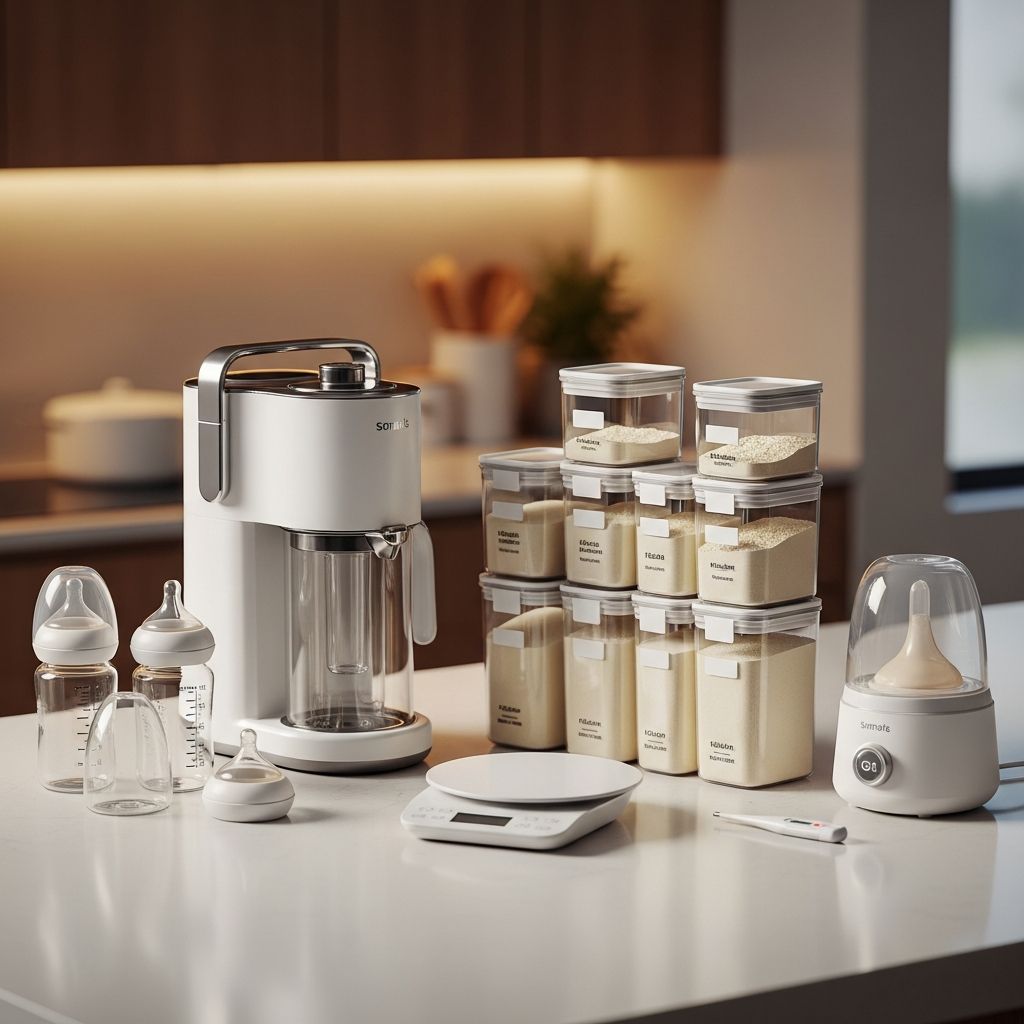
Feeding a baby with formula involves more than just mixing powder or opening a bottle; it also requires careful storage and handling to keep every feeding safe. Understanding how long formula can sit out, when it must be refrigerated, and when to throw it away helps protect your baby from harmful bacteria and unnecessary illness.
This guide walks through each step of preparing, storing, and serving baby formula in clear, practical terms. It is written to give parents and caregivers confidence, reduce guesswork, and support healthy bottle-feeding routines.
Why Safe Formula Storage Matters
Formula is a rich food source, which makes it ideal for feeding your baby but also attractive to bacteria if it is not handled properly. Once formula is mixed or opened, germs from the environment and your baby’s mouth can quickly multiply in the bottle, especially at room temperature.
Good storage habits greatly reduce the chances of stomach upsets, vomiting, and more serious infections. They also help you use your formula efficiently, so you are not wasting product or repeatedly wondering whether a bottle is still safe to use.
Types of Formula and What Changes for Storage
Not all formulas are stored in exactly the same way, and understanding the differences helps you plan your routine. The main types you will see on store shelves are:
- Powdered formula: Comes in a can or tub and is mixed with water right before feeding or in advance.
- Concentrated liquid formula: A liquid that must be diluted with water before use.
- Ready-to-feed formula: Pre-mixed liquid that can be poured directly into a clean bottle.
Before any container is opened, formula is generally shelf-stable if it is kept in a cool, dry place and used before the “use by” date on the label. Once opened or prepared, each type has specific time limits and storage rules that should be followed closely.
Hygiene Before You Even Open the Formula
Because newborns and young infants have immature immune systems, hygiene around formula preparation is extremely important. Clean surfaces, utensils, and hands reduce the number of germs that can get into the bottle while you mix it.
- Wash hands with soap and warm water for at least 20 seconds, then dry with a clean towel.
- Clean and, if recommended by your doctor or local guidelines, sterilize bottles, nipples, caps, and mixing equipment before first use and regularly thereafter.
- Prepare formula on a clean counter or table, away from raw foods, dirty dishes, or used cloths.
Step-by-Step: Mixing Formula Correctly
Correct mixing ensures that your baby receives the intended balance of nutrients and fluids. Adding extra water or extra scoops may seem harmless, but it can affect both nutrition and safety.
- Read the label every time: Check the number of scoops and the exact water amount for your formula brand and type.
- Use safe water: Follow your pediatrician’s advice about tap water, bottled water, or boiling water when appropriate.
- Measure carefully: Level each scoop (do not heap) and use measuring lines on the bottle or a dedicated measuring cup.
- Mix thoroughly: Attach the bottle nipple and cap, then shake until no dry clumps remain.
Once mixed, formula should be fed promptly or cooled and stored in the refrigerator, as time limits at room temperature are short. Labelling bottles right after mixing helps track how long they have been stored.
Room-Temperature Time Limits You Should Remember
At room temperature, formula does not stay safe for very long. Warm conditions allow bacteria to multiply quickly, even when the bottle looks and smells normal.
- Prepared formula that has not yet been offered to the baby should generally be used within a short window (often about 2 hours from preparation).
- Once your baby has started drinking from the bottle, the remaining formula should typically be used within about 1 hour, then thrown away.
Time can pass quickly when you are busy caring for an infant, so using a kitchen timer or phone alarm can help ensure you do not accidentally exceed safe time limits.
Refrigerating Prepared Formula Safely
Refrigeration slows bacterial growth and lets you safely prepare some bottles in advance. This can be especially helpful for overnight feedings or when multiple caregivers are involved.
- Place freshly prepared bottles in the refrigerator as soon as possible if they will not be used right away.
- Store bottles toward the back of the refrigerator where the temperature is most consistent, not in the door.
- Use prepared bottles within 24 hours unless your pediatrician or the product label gives a more specific recommendation for that formula type.
Always cover bottles with clean caps or nipples and keep them upright so they are not in contact with spilled foods or refrigerator surfaces.
How to Store Unused Powder and Liquid Containers
Proper storage of unopened and opened containers preserves formula quality and reduces the risk of contamination. Paying attention to dates and conditions prevents you from accidentally using product that may have lost nutritional value.
- Keep unopened formula away from excess heat, direct sunlight, and moisture, such as above a hot stove or in a humid bathroom.
- After opening a can of powdered formula, close the lid tightly and store it in a cool, dry cupboard rather than the refrigerator.
- Mark the date you opened the container and follow the label’s guidance on how many weeks it can safely be used after opening.
Liquid concentrated and ready-to-feed formulas should also be stored according to the label once they are opened, typically covered and refrigerated, then discarded after a limited time if not fully used.
Quick Reference Table: Typical Storage Practices
The following table offers a general overview of common storage practices. Always confirm specific instructions on your formula’s packaging and follow your healthcare provider’s advice.
| Formula Type | Before Opening | After Opening or Mixing | Typical Discard Guidance |
|---|---|---|---|
| Powdered (in can or tub) | Store in cool, dry cupboard; use by labeled date. | Keep tightly closed in a dry place; do not refrigerate powder; mix bottles as needed. | Discard unused powder after the number of weeks listed on the container from the opening date. |
| Prepared bottle from powder | N/A | Refrigerate if not used right away. | Use within a day in the fridge; discard if left out too long or left over after a feeding. |
| Ready-to-feed (unopened) | Store at room temperature as directed; avoid extreme heat. | N/A | Discard after the “use by” date or if the container looks damaged. |
| Ready-to-feed (opened) | N/A | Cover and refrigerate the unused portion. | Throw away if kept longer than the time listed on the label or left out at room temperature too long. |
| Concentrated liquid (opened) | N/A | Cover and refrigerate; mix with water as directed when preparing bottles. | Discard according to label directions if not used within the recommended time. |
Warming Bottles the Safe Way
Some babies are happy to drink cool formula, but many prefer it closer to body temperature. Warming must be done carefully so that the bottle is not overheated and the temperature is even throughout.
- Place the bottle in a container of warm water for several minutes or use a bottle warmer designed for infant feedings.
- Gently swirl the bottle to even out hot and cool spots.
- Test a few drops on the inside of your wrist; it should feel comfortably warm, not hot.
Avoid using a microwave, because it can create unsafe hot spots in the liquid and heat the bottle unevenly, even if the outside feels cool.
When to Throw Formula Away Without Hesitation
Sometimes the safest choice is to discard formula, even if it feels wasteful. The cost of a new bottle is small compared with the risk of illness for a young baby.
- Throw out any formula left in the bottle after your baby has finished drinking, since germs from the mouth can grow in the remaining liquid.
- Discard formula that has been left at room temperature longer than recommended, or any bottle you are not sure about.
- Never use formula past the “use by” date or from a container that is swollen, rusted, leaking, or badly dented.
If something looks, smells, or feels off, it is safer to replace the formula and prepare a new bottle.
Travel and Night Feedings: Planning Ahead
Busy days and nighttime wake-ups are much easier when you have a plan for formula feeding away from the kitchen. Safe storage is still essential, even when you are on the go or half asleep at 3 a.m.
- For outings, consider carrying clean bottles and measured formula powder separately, then add safe water and mix right before feeding.
- If you bring prepared bottles, keep them in a cooler bag with ice packs and return unused bottles to the refrigerator as soon as you get home.
- For nights, you might pre-measure powder into small containers and keep water ready, so you can mix fresh bottles quickly without leaving the bedroom.
Always check how long a bottle has been sitting at room temperature during trips or night feeds, and do not hesitate to discard and prepare a new one if the timing is unclear.
Recognizing Signs of Possible Feeding Problems
Even when stored carefully, some babies react differently to formula, and it is helpful to recognize when something might be wrong. While only a healthcare professional can diagnose an issue, caregivers can watch for patterns.
- Frequent vomiting, diarrhea, or strong fussiness after feedings may signal that something is wrong with the formula or feeding routine.
- Unusual lethargy, fever, or signs of dehydration (such as fewer wet diapers) require prompt medical attention.
- If several family members notice that formula smells odd or the container looks damaged, stop using it immediately.
Keep notes on feedings and any symptoms, and share them with your pediatrician, especially if problems keep returning.
Frequently Asked Questions About Formula Storage
Can I refrigerate a bottle after my baby has started drinking from it?
Once a baby’s mouth has touched the nipple, saliva mixes with the formula and introduces bacteria. Even if you quickly return the bottle to the refrigerator, germs can still grow, so leftovers after a feeding are best discarded rather than saved for later.
Is it safe to make all of my baby’s bottles for the day in advance?
Preparing multiple bottles at once can be safe if you follow strict hygiene, refrigerate them promptly, and use them within the time limits recommended by your healthcare provider and the product label. Always label bottles with the date and time they were prepared so you can keep track of how long they have been stored.
Can I freeze prepared formula?
Most manufacturers do not recommend freezing prepared formula because it can separate and change in texture, which may affect feeding and possibly nutrient distribution. It is usually better to mix smaller amounts as needed and rely on refrigeration within recommended time frames instead of freezing.
What should I do if I forgot a bottle in the diaper bag?
If a prepared bottle has been left in a bag or car beyond safe time limits, it should be thrown away, even if it looks normal. High temperatures in closed spaces, such as cars, increase the risk that harmful bacteria have grown in the formula.
Do I need to warm every bottle?
Warming is a matter of comfort for many babies rather than a safety requirement, as long as the formula is served at a safe, moderate temperature. Some babies accept room-temperature or slightly cool bottles without any problem, which can make on-the-go feeding and night feedings easier.
Key Takeaways for Confident, Safe Feeding
Safe formula preparation and storage rest on a few core habits: clean hands and equipment, correct mixing, prompt refrigeration, attention to time limits, and a willingness to discard anything that may be unsafe. When those steps become part of your daily routine, feeding with formula becomes more predictable and less stressful.
Every baby and family schedule is different, so adjust these guidelines to fit your daily life while staying within the directions provided on your formula packaging and by your healthcare team. With those supports in place, you can focus less on worrying about bottles and more on enjoying time with your baby.