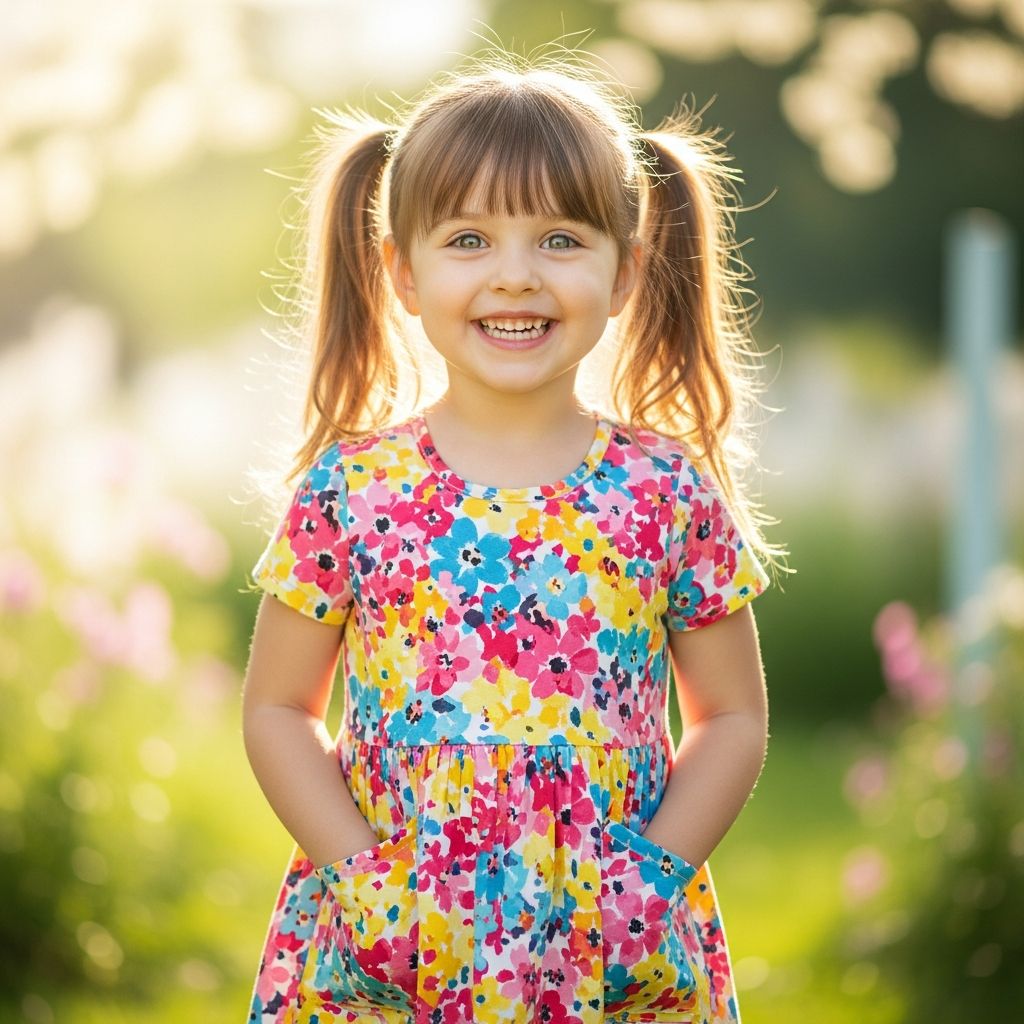
A short video of a toddler girl discovering her dress has pockets feels like a simple, adorable moment, but it touches on a much bigger issue: how children’s clothing can support or limit their play, comfort, and confidence.
The Viral Moment: A Toddler and Her Pockets
In the clip, a toddler girl notices her hands slip into hidden pockets on her dress, and her face lights up with genuine surprise and joy. Her reaction is so pure that it instantly resonates with many adults who have felt the same way about unexpectedly functional clothing.
Viewers relate to her delight because many women and girls grow up wearing clothes that look cute but lack basic practicality, like pockets, making this tiny discovery feel oddly profound and deeply familiar.
- Her body language shows pride, as if she has unlocked a secret feature of her outfit.
- The adults around her clearly enjoy the moment, reinforcing how small design details can create big emotional reactions.
- The video invites parents to reflect on what their children’s clothes allow them to do, not just how they look.
Why Pockets Feel So Magical
Pockets might seem trivial to adults, but to a toddler they represent independence and possibility: a place to store rocks, tiny toys, or treasures collected throughout the day.
When a little girl finds pockets in her dress, she learns that her clothing can be both pretty and useful, which challenges the common pattern where girls’ clothes are decorative but boys’ clothes are designed for activity.
Emotional Reasons Pockets Matter
- Sense of ownership: Kids love having a place to put their own special items, which builds responsibility and autonomy.
- Feeling prepared: Even if they only carry a toy, children feel more ready for adventures when they have storage built into their clothes.
- Shared experience: Adults, especially women, recognize that sudden joy of finding real pockets, creating an intergenerational moment of understanding.
Girls’ Clothes vs. Boys’ Clothes
Many parents notice a clear difference between clothing designed for boys and for girls: boys’ garments often include sturdy fabrics and multiple pockets, while girls’ clothes may prioritize sparkle, frills, or slim cuts over function.
This imbalance can subtly limit how freely girls run, climb, or play, because their outfits are more likely to ride up, snag, or lack the features that make movement easy and comfortable.
Key Differences in Design
| Feature | Typical Boys’ Clothing | Typical Girls’ Clothing |
|---|---|---|
| Pockets | Multiple, deep, fully functional pockets. | Fewer or decorative pockets, sometimes none at all. |
| Fabric | Durable cotton, denim, fleece made for rough play. | Lighter, often more delicate materials focused on appearance. |
| Fit | Looser, cut for climbing, running, and bending. | More fitted or flared, which can ride up or restrict movement. |
| Primary goal | Function and durability for active use. | Style, cuteness, and visual appeal. |
Over time, repeated exposure to less functional clothing can send girls a message that how they look matters more than how freely they can move, even during play-heavy childhood years.
How Clothing Affects Play and Confidence
Comfortable, functional clothes encourage kids to run, jump, climb, and explore, while restrictive outfits make them more cautious and self-conscious.
Some research and real-world experiences have inspired school policy changes, allowing girls to wear shorts or pants instead of only skirts, precisely because it supports more active participation in sports and playground games.
Practical Impacts of Functional Clothing
- More movement: When children do not worry about skirts flying up or clothes tearing, they are more likely to join in physical play.
- Less embarrassment: Avoiding wardrobe mishaps helps prevent self-consciousness that might otherwise make kids sit out activities.
- Greater confidence: Feeling secure in what they are wearing can support healthy risk-taking, resilience, and social interaction.
What This Toddler’s Joy Reveals
The toddler’s reaction is funny and sweet, but it also mirrors a larger pattern: many girls and women have been conditioned to expect their clothes to be less useful, so any hint of practicality feels like a delightful surprise.
Her excitement becomes a gentle reminder to adults that children, regardless of gender, deserve clothes built for real life—playing in the dirt, climbing structures, and carrying around little objects that matter to them.
Symbolism in a Simple Dress
- Joy in small details: A hidden pocket can turn a regular outfit into a favorite, showing how small features have big emotional impact.
- Challenge to design norms: Her response spotlights how unusual it still is for girls’ clothing to combine cuteness and genuine function.
- Conversation starter: Parents and caregivers can use moments like this to talk about comfort, consent, and how kids feel in what they wear.
How Parents Can Choose Better Clothes
Parents do not need to eliminate frills or fun designs; instead, they can look for pieces that balance style with comfort, movement, and function.
Many brands now offer toddler dresses, jumpsuits, and play clothes that include real pockets, soft fabrics, and cuts designed for active kids, making it easier to build a wardrobe that supports both imagination and play.
Checklist for Functional Toddler Dresses
- Pockets: Check that pockets are deep and sturdy enough to hold small toys or treasures, not just decorative stitching.
- Fabric: Choose soft, breathable materials that stretch and wash easily, especially for toddlers who may spill and explore often.
- Fit and length: Look for lengths that allow climbing and sitting comfortably without constant adjustment.
- Closures: Opt for zippers, snaps, or buttons that your child can eventually manage independently, supporting self-dressing skills.
- Layering options: Consider leggings, shorts, or bike shorts under dresses so that your child can move freely in any setting.
Supporting Kids’ Independence Through Clothing
Clothes are one of the first daily choices children make for themselves, and features like pockets, easy fasteners, and comfortable cuts help them practice independence.
When toddlers can stash their own treasures, pull on their own dress, or move easily without help, they learn that their bodies and preferences matter.
Ways to Empower Kids With Their Wardrobe
- Offer two or three weather-appropriate outfit choices so children can practice decision-making without feeling overwhelmed.
- Talk about how clothes feel, not just how they look, using words like “soft,” “scratchy,” “tight,” or “easy to run in.”
- Encourage kids to test new clothes with a “movement check”: jumping, bending, and reaching to see if anything pulls or slips.
Frequently Asked Questions
Why do so many girls’ dresses come without pockets?
Many manufacturers historically designed girls’ clothing with appearance as the top priority, favoring slim silhouettes and decorative elements over functional features like deep pockets.
This tradition continues in modern designs, even though more parents are now asking for clothes that allow girls to play as freely as boys.
Are toddler pockets really necessary, or just a cute extra?
Pockets may not be essential for safety, but they do serve important developmental roles by supporting independence, imaginative play, and a sense of ownership over personal items.
They also send a subtle message that a child’s comfort and needs are worth designing for, which can positively shape how kids think about their bodies and clothing.
How can I balance style and function when shopping?
Look for brands and pieces that combine fun colors or patterns with practical details such as pockets, elastic waistbands, and soft, durable fabrics.
Doing a quick “stretch and play” test—having your child move around in the fitting room or at home—helps ensure that a cute dress will actually work for everyday adventures.
Does clothing choice really affect long-term confidence?
While a single dress will not determine a child’s future, consistently wearing clothes that feel restrictive or prone to embarrassment can make kids less likely to join active play over time.
Conversely, when children know their clothes will move with them, not against them, they may feel more comfortable taking part in sports, games, and social activities.
Should I let my toddler pick their own clothes, even if they choose impractical outfits?
Offering guided choices works well for toddlers: caregivers can preselect practical options and then let the child choose among them, blending independence with safety and comfort.
This approach respects a child’s preferences while still ensuring they are dressed for the weather and the type of activities planned for the day.
Turning a Cute Moment Into Lasting Change
The viral video of a toddler discovering her dress has pockets captures more than a fleeting reaction; it spotlights the simple joy children feel when their clothes support how they naturally move through the world.
By choosing designs that prioritize comfort, movement, and functionality—without sacrificing fun—parents help ensure that moments of delight, like finding pockets, become the norm rather than the exception in their children’s wardrobes.
- Support brands that include functional details in girls’ clothing.
- Give kids a voice in how their clothes feel and function, not just how they look.
- Remember that each small design choice, like adding pockets, can help build a more confident, active childhood.