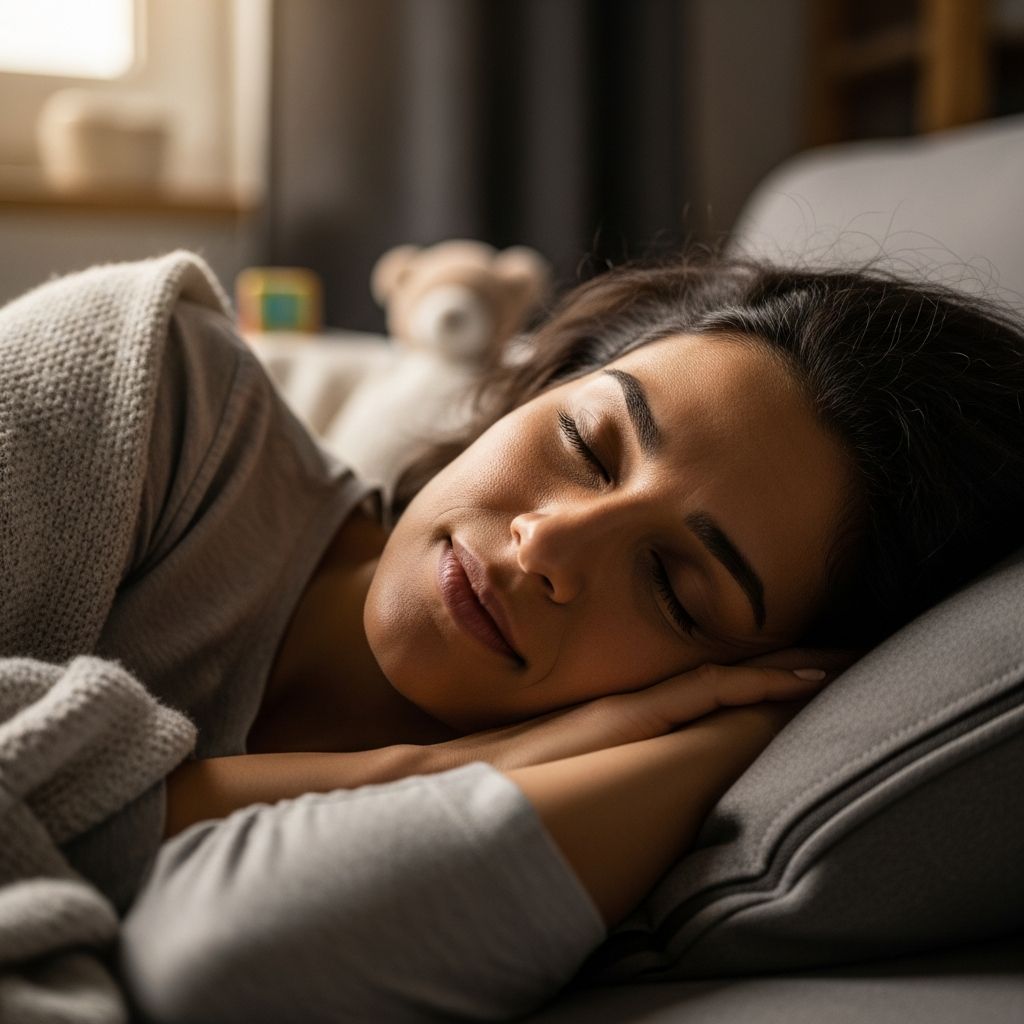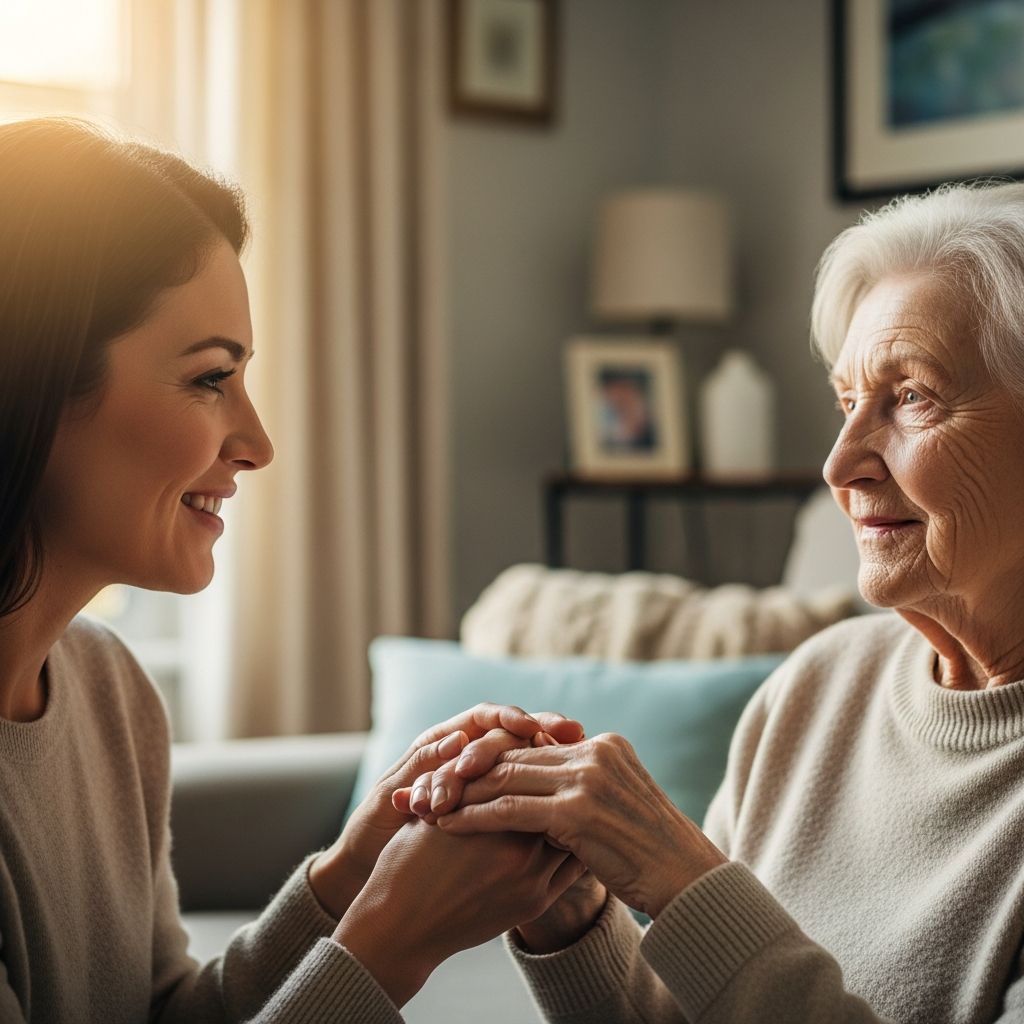
Motherhood transforms lives with joy, chaos, and unrelenting demands, making private moments of solitude essential for emotional survival. For many women, a simple shower becomes this irreplaceable haven—a brief escape where thoughts flow freely, stress melts away, and a sense of self reemerges.
The Hidden Power of Everyday Escapes in Parenting
In the relentless rhythm of raising children, mothers often forfeit basic personal time, viewing it as a luxury rather than a necessity. Yet, these micro-moments of solitude, like stepping under warm water, act as critical pressure valves. They allow the mind to wander, process emotions, and recharge without interruption, fostering resilience against burnout.
Parenting literature highlights how constant availability to family erodes individual identity. A study from the American Psychological Association notes that parental self-care routines correlate with lower stress levels and improved family dynamics, emphasizing that brief, intentional pauses prevent emotional exhaustion. Without them, the cumulative toll manifests in irritability, fatigue, and diminished patience.
- Clarity amid chaos: Solitary showers enable mental decluttering, turning scattered thoughts into focused insights.
- Emotional release: The sound of water drowns out worries, creating space for unfiltered feelings.
- Physical reset: Warmth soothes tense muscles, signaling the body it’s safe to relax.
These benefits extend beyond the individual; refreshed mothers engage more fully with their families, modeling healthy boundaries for children.
Why Mothers Struggle to Claim Their Moments
Societal expectations paint motherhood as selfless devotion, where personal needs rank last. Phrases like “I can’t shower because the kids need me” reveal deeper guilt tied to perceived inadequacy. This mindset stems from cultural narratives glorifying sacrifice—long labor hours, sleepless nights—as badges of honor, sidelining hygiene or rest as indulgent.
Research from the Journal of Family Psychology indicates that mothers experience higher guilt levels when prioritizing self-care compared to fathers, perpetuating a cycle of depletion. Practical barriers compound this: unpredictable nap schedules, teething crises, or endless errands leave no seamless window for privacy.
| Common Barriers | Impact on Moms | Potential Solutions |
|---|---|---|
| Guilt from family demands | Increased anxiety and resentment | Reframe as modeling self-care |
| Irregular child schedules | Interrupted routines, exhaustion | Partner involvement or quick baths |
| Cultural ‘super mom’ pressure | Burnout and identity loss | Affirm short rituals’ value |
Breaking this pattern requires intentionality. Partners play a key role by assuming temporary charge, affirming that seven minutes alone isn’t neglectful—it’s nurturing sustainability.
Building a Ritual Around Your Sanctuary Time
Transforming a shower from chore to ritual amplifies its restorative power. Start small: curate a playlist of calming tracks or favorite scents that signal ‘me time.’ Consistency builds anticipation, making it a non-negotiable anchor in chaotic days.
- Select a trigger: Alarm or post-bedtime cue to protect the slot.
- Enhance sensory appeal: Aromatherapy gels or dim lighting for immersion.
- Extend mentally: Use the time for gratitude journaling in your head.
- Protect boundaries: Communicate needs clearly to household members.
Over time, this practice cultivates mindfulness. A report from the Mayo Clinic underscores how such routines lower cortisol levels, improving sleep and mood regulation—vital for moms juggling multiple roles.
Voices from Mothers: Real Stories of Reclamation
Across forums and studies, mothers share how reclaiming shower time shifted their worldview. One parent described it as her ‘imaginative interlude,’ birthing creative solutions to daily puzzles during those steaming minutes. Another noted post-shower clarity helped navigate toddler tantrums with patience rather than frustration.
“That locked door and rushing water? It’s my daily therapy session—no appointment needed.”
These anecdotes align with data from the CDC’s parenting health surveys, showing self-care adherents report 25% higher life satisfaction scores. Sharing stories normalizes the need, dismantling the myth that ‘good’ moms never close the bathroom door.
Broader Self-Care: Beyond the Bathroom
While showers anchor many, diversifying rituals prevents over-reliance. Brief walks, deep breathing, or hobby snippets offer variety. The key? Guilt-free pursuit, recognizing self-preservation fuels family thriving.
Postpartum periods intensify this need. Unlike pre-baby celebrations, new moms crave practical support—meals, errands offloaded—to reclaim basics like uninterrupted washing. Community ‘post-baby showers’ of casseroles and encouragement fill this gap, honoring recovery’s raw demands.
Frequently Asked Questions (FAQs)
Is it selfish for moms to prioritize shower time?
No, it’s essential. Prioritizing brief self-care prevents burnout and models healthy habits for children, as supported by psychological research on parental well-being.
How can I shower with young kids at home?
Involve partners for coverage, use baby gates for visibility, or opt for quick evening baths when kids are settled. Short, efficient routines maximize feasibility.
What if my family doesn’t understand my need for alone time?
Communicate benefits openly: ‘This helps me be a better mom.’ Consistency demonstrates value without defensiveness.
Are there alternatives if showers aren’t possible?
Yes—meditative breathing, solo car drives, or early-morning coffee moments provide similar solitude and reset.
Does self-care like this really impact mental health?
Absolutely. Studies link routine personal time to reduced depression symptoms and enhanced emotional regulation in parents.
Empowering the Next Generation Through Example
By carving out these sanctuaries, mothers teach daughters self-worth isn’t sacrificed for others, and sons that women deserve space. This ripple effect fosters empathetic families where everyone’s needs merit attention.
In essence, personal rituals aren’t escapes—they’re lifelines. Embracing them honors the full spectrum of motherhood: giver and receiver, warrior and whisperer.
References
- This Is The Real Reason Moms Don’t Have Time To Shower — Scary Mommy. 2023-05-15. https://www.scarymommy.com/parenting/why-moms-dont-have-time-shower
- Forget Baby Showers, What New Moms Need Are Post-Baby Showers — Romper. 2018-10-22. https://www.romper.com/life/forget-baby-showers-what-new-moms-need-are-post-baby-showers-9914380
- Baby Shower Etiquette FAQs — Mommy Labor Nurse Blog. 2024-01-10. https://blog.mommylabornurse.com/1st-trimester/baby-shower-etiquette
- Errands and showers are not self-care for moms — Motherly. 2023-08-20. https://www.mother.ly/health-wellness/self-care/errands-are-not-self-care/