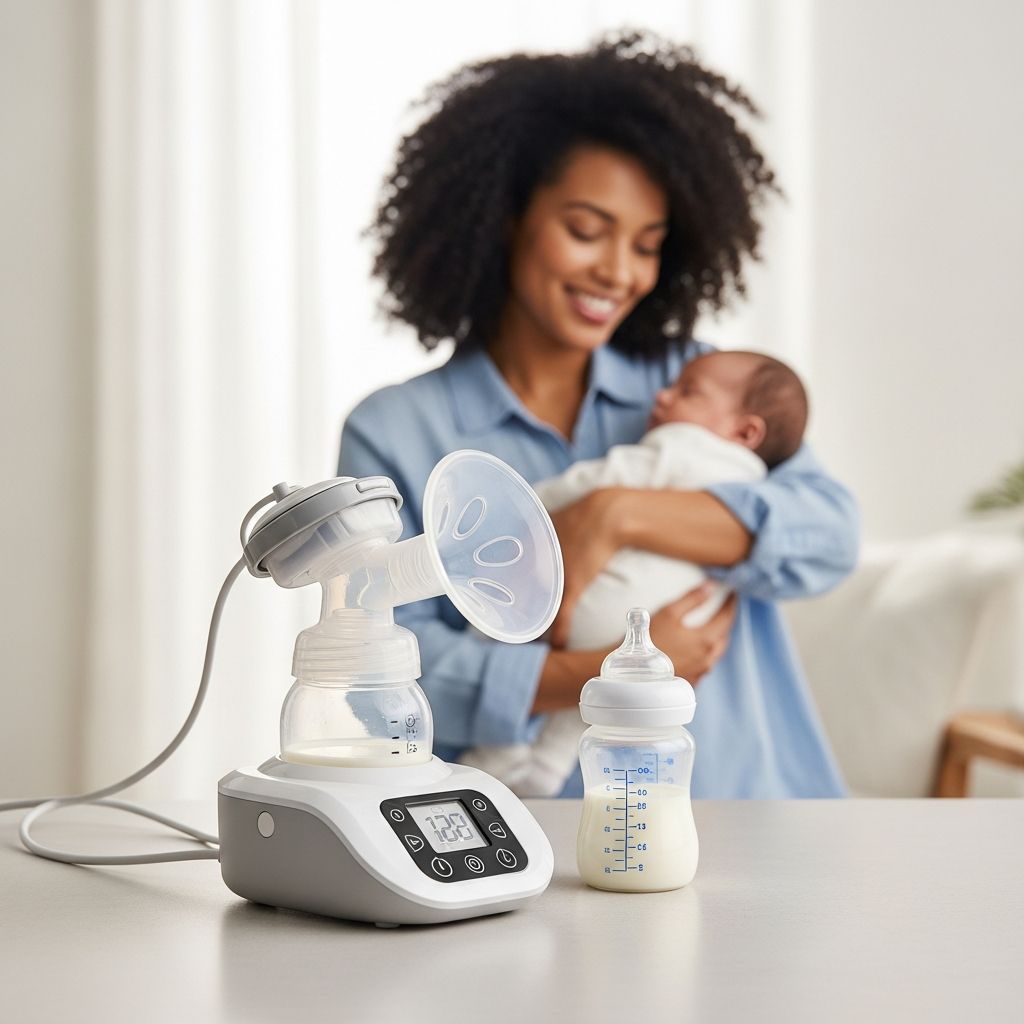
Exclusive pumping, where mothers use a breast pump to express all milk for their babies instead of direct nursing, has surged in popularity. This method allows infants to receive breast milk’s nutritional benefits through bottle feeding, offering a practical alternative when latching proves difficult.
Understanding Exclusive Pumping Basics
Exclusive pumping involves pumping milk at regular intervals to mimic a baby’s natural feeding schedule, typically every 2-3 hours, including nights. Parents store the milk for later use, enabling caregivers to feed the baby. Advances in pump technology and insurance coverage for high-quality devices have made this feasible for more families.
Milk supply establishes in the early postpartum weeks, peaking around 40 days at about 900 ml per day. Consistent pumping ensures supply matches demand, but lapses can lead to quick declines.
Primary Reasons Families Opt for Exclusive Pumping
Several factors drive this choice, often stemming from initial breastfeeding hurdles or deliberate planning.
Overcoming Breastfeeding Challenges
Many start with direct nursing but switch due to issues like latch pain, breast refusal, poor milk transfer, tongue-tie, inverted nipples, or cleft palate. Over 89% of exclusive pumpers tried breastfeeding first without success.
- Latch difficulties: Babies may struggle to attach properly, causing pain or inadequate intake.
- Anatomical issues: Conditions like tongue-tie hinder effective sucking.
- Infant factors: Sleepy newborns or medical conditions delay nursing establishment.
Medical Necessities
Certain health situations prohibit direct contact. Parents on medications, undergoing treatments like radiation, or with infections such as active TB, herpes, or chickenpox must pump to avoid transmission risks. Breast surgeries can also impair latching.
Lifestyle and Work Demands
Returning to work early or demanding schedules favor pumping. It allows milk preparation in advance, fitting travel or shifts. One parent noted pumping during car rides for convenience on trips.
Key Advantages of Exclusive Pumping
This approach empowers parents with control and involvement from others.
| Benefit | Description |
|---|---|
| Flexibility | Parents gain freedom to leave for hours; partners or caregivers feed baby seamlessly. |
| Precise Tracking | Measure exact milk volumes consumed, easing worries about sufficiency. |
| Shared Responsibilities | Bonding extends to all family members via bottle feeds. |
| Health Preservation | Babies get breast milk’s antibodies and nutrients despite no direct nursing. |
98.2% of pumpers choose it over formula for these infant health perks.
Navigating the Drawbacks
While rewarding, exclusive pumping demands commitment.
Intensive Time Requirements
Pumping every 3 hours, plus cleaning parts and bottle-feeding, consumes hours daily—like a part-time job. Night sessions disrupt sleep.
Supply Management Struggles
Maintaining output requires power pumping or frequent sessions. Shortages lead to stress and potential early weaning; exclusive pumpers often feed breast milk for shorter durations than mixed feeders.
Reduced Immune Tailoring
Direct nursing creates a feedback loop adjusting milk composition to baby’s needs, absent in pumping. Pumped milk offers fewer adaptive immune benefits.
Emotional Toll
Grief over unmet nursing goals is common, though providing milk aids coping.
Practical Guide: How to Succeed with Exclusive Pumping
Success hinges on preparation and routine.
Selecting the Right Equipment
Invest in hospital-grade pumps for efficiency. Insurance often covers them.
- Double electric pumps save time.
- Compatible flanges prevent discomfort.
- Storage bags and coolers maintain freshness.
Establishing a Pumping Routine
Mimic feeding frequency: 8-12 sessions daily initially. Pump 15-20 minutes per side or until flow stops. Power pump (short frequent bursts) boosts supply.
| Time Postpartum | Pumping Frequency | Tips |
|---|---|---|
| Week 1-4 | Every 2-3 hours, 8-12x/day | Include nights; massage breasts. |
| Month 2+ | Every 3-4 hours, 6-8x/day | Follow baby’s cues via intake. |
Storage and Handling Best Practices
Fresh milk lasts 4 days in fridge, 6 months frozen. Thaw safely; never refreeze. Track “stash” to avoid shortages.
Boosting and Sustaining Supply
Hydrate, eat galactagogues like oats, ensure skin-to-skin. Consult lactation experts for personalized plans.
Infant Nutrition: Breast Milk Via Pump
Pumped milk retains antibodies, enzymes, and tailored nutrition, supporting immunity and growth comparably to direct feeds, minus real-time adjustments.
Long-Term Outcomes and Trends
Exclusive pumping is newer, with pumpers weaning earlier but still outperforming formula in health metrics. Social media communities provide vital support.
Rising due to better pumps and work mandates, it’s a valid path. Research calls for more studies on prevalence and outcomes.
Frequently Asked Questions (FAQs)
Is exclusive pumping considered breastfeeding?
Yes, it delivers breast milk’s benefits, though not identical to direct nursing due to missing feedback mechanisms.
How long should I exclusively pump?
Aim for 6 months minimum, per health guidelines, adjusting for supply sustainability.
Can I return to direct breastfeeding after pumping?
Possible with support, but many continue pumping long-term if issues persist.
Does insurance cover pumps?
In many regions, yes—mandated for quality devices.
What if my supply drops?
Increase frequency, check technique, seek professional help promptly.
Expert Perspectives on Modern Feeding Choices
Lactation consultants emphasize personalized plans. Exclusive pumping suits diverse needs, prioritizing milk access over method. Families report empowerment despite rigors.
For those grieving nursing loss, it fosters connection. Partners’ involvement strengthens bonds.
References
- Exclusive Breast Milk Pumping: An In-Depth Guide — Quark Baby. 2023. https://quarkbaby.com/blogs/articles/exclusive-breast-milk-pumping-an-in-depth-guide
- Exclusive breastmilk pumping: A concept analysis — PMC – NIH. 2022-10-17. https://pmc.ncbi.nlm.nih.gov/articles/PMC9546173/
- Everything You Need to Know about Exclusive Pumping — Motif Medical. 2023. https://motifmedical.com/blog/everything-you-need-to-know-about-exclusive-pumping
- Breastfeeding vs. pumping: The pros and cons of each — Medical News Today. 2023-05-26. https://www.medicalnewstoday.com/articles/322839
- Exclusively Expressing Breastmilk for Your Baby — La Leche League. 2023. https://laleche.org.uk/exclusively-expressing-breastmilk-for-your-baby/