When a video of a 1-year-old casually sitting by himself at a party, calmly eating pizza and minding his own business, started making the rounds online, it immediately struck a chord with parents and non-parents alike. The scene looks simple, but it opens the door to big questions about toddler independence, social expectations, and what it really means to be a “good” parent in public settings.
The Viral Scene: A One-Year-Old and His Pizza
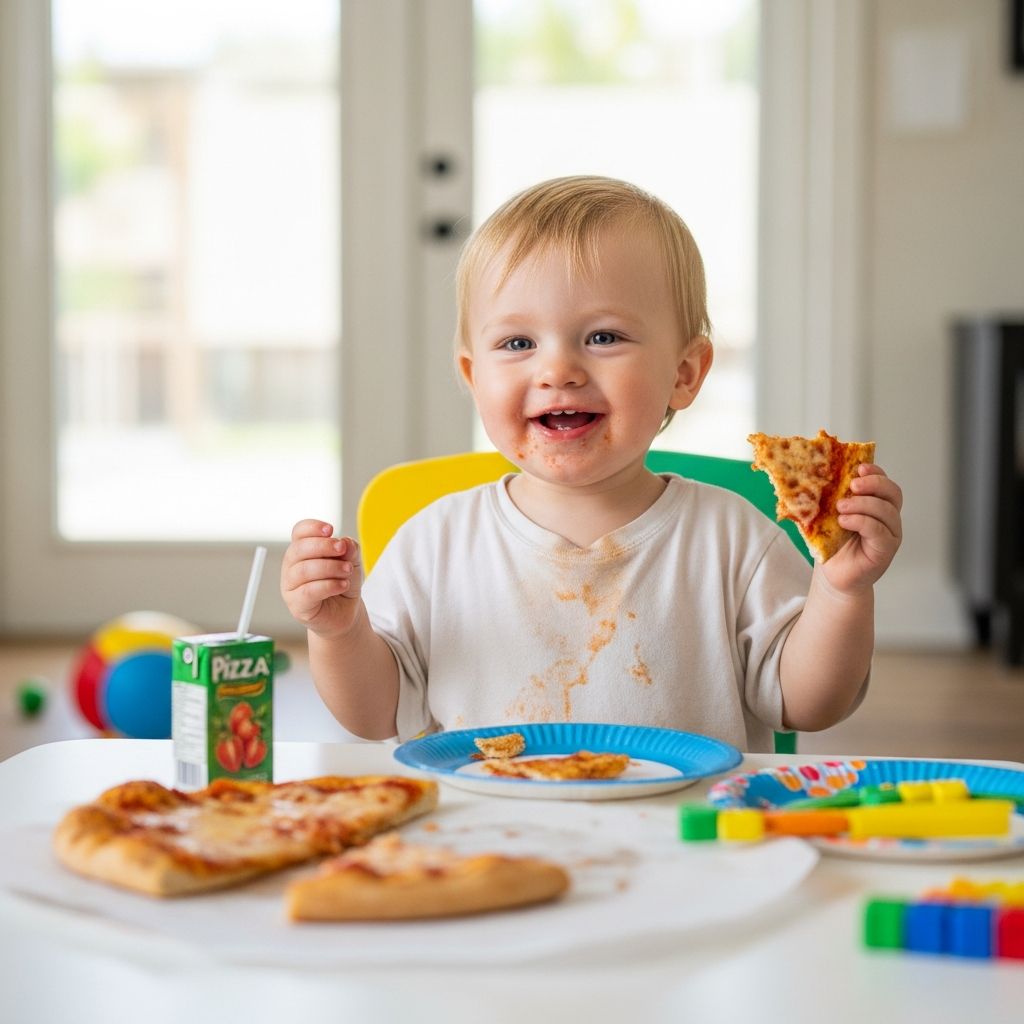
In the original clip, a 1-year-old is shown sitting alone with his slice of pizza, entirely unbothered by the chaos of the party around him. He is not crying, not clinging, and not racing around; he is just chilling, focused on his food, and seemingly content. To many viewers, he looks like the most relaxed person in the room.
The charm of the moment comes from the contrast: parties are usually loud, overstimulating environments for toddlers, but this little one appears calm and self-possessed. Instead of running from activity to activity, he’s in his own world, enjoying his snack like an adult at a quiet lunch break. That contrast is exactly what made the scene feel so relatable and shareable.
Why People Found It So Relatable
Viewers connected with the video on a personal level because it mirrors how many adults feel at social events. The idea of being physically present at a party but mentally checked out, eating in peace at a side table, is a mood many people instantly recognize. The toddler became a symbol of quiet resistance to social pressure.
In addition, parents recognized familiar behavior: the child who is happier observing from a distance than being the center of attention. For introverted parents or those raising more reserved kids, seeing a toddler calmly doing his own thing felt validating and even a little empowering.
What This Says About Toddler Personalities
Even by age one, many toddlers already show strong personality traits. Some are naturally bold and social, while others are more cautious, observant, or independent. A toddler who sits back and eats quietly at a party is not necessarily shy or withdrawn; sometimes, they are simply comfortable and secure enough to do what feels good to them in that moment.
Parents often feel pressure to “perform” their child’s sociability—especially at gatherings where other adults and children are watching. However, a scene like this reminds caregivers that temperament is largely inborn and that honoring a child’s natural pace can support healthier emotional development over time.
Independence at One: What’s Realistic?
Seeing a 1-year-old sitting calmly with a slice of pizza can make it look like independence is easy at that age, but it is important to keep expectations grounded. True independence in toddlers is always relative and always supported by nearby adults, even when it looks like they are “on their own.”
By one year, many children can sit unsupported, feed themselves finger foods, and focus briefly on a preferred activity like eating or playing with a favorite toy. That does not mean they can safely supervise themselves; it means they are starting to show pockets of self-directed behavior within a safe, supervised environment.
Key Independence Milestones Around Age One
- Using fingers or a small grasp to pick up pieces of food and bring them to the mouth.
- Sitting in a chair or high chair with support and remaining seated for short periods.
- Showing clear preferences (favorite foods, toys, or spots in a room).
- Demonstrating brief focus on one activity, such as eating or stacking blocks.
- Exploring a familiar space with glances back at a caregiver for reassurance.
Gentle Parenting and Letting Kids Be
One theme that emerged from reactions to the video is the idea that sometimes the best parenting move is to step back and let a child exist in peace. A toddler eating happily, not hurting anyone, and not in distress does not necessarily need to be redirected into more social or “engaging” activities.
Gentle parenting emphasizes respect for a child’s feelings, boundaries, and pace. In practice, that can look like allowing a toddler to sit quietly on the edge of a party as long as they are safe, nourished, and emotionally regulated. The viral moment visually captured this approach: the child was trusted to enjoy their food and environment without constant interference.
Parenting Expectations at Social Events
Social gatherings can turn into silent performance tests for parents. There is pressure for kids to be outgoing, polite, and endlessly cheerful, and pressure for parents to appear in control, attentive, and engaged with every move their child makes. When a video shows a toddler quietly doing something ordinary, like eating pizza, it pushes back against those unspoken rules.
Moments like this are a helpful reminder that a “successful” outing with a toddler does not require staged interactions, perfect behavior, or constant entertainment. If a child is safe, reasonably content, and able to take in their surroundings at their own pace, that is often enough.
Humor, Memes, and Adult Projection
Part of the video’s appeal came from how easy it was to caption, meme, and reinterpret. Adults projected their own experiences onto the toddler: being the introvert at the party, sneaking away for a quiet snack, or emotionally clocking out while physically staying present. The little one became a stand-in for everyone who has ever felt socially drained.
While this kind of humor is lighthearted, it also shows how children’s images online can quickly turn into symbolic content. The toddler is no longer just a kid enjoying pizza but a cultural meme representing adult exhaustion, social anxiety, or quiet rebellion against social obligations.
Social Skills: Does Sitting Alone Mean Anything?
Parents sometimes worry that a toddler sitting alone instead of playing with other kids is a red flag, but developmentally, this behavior can be completely typical. At one year, many children engage in what is often called “solitary play” or “onlooker play,” where they are aware of others but not yet actively interacting.
In fact, periods of calm, self-directed activity can be a positive sign. It may show that the child feels secure enough in the environment to focus on something they enjoy, such as food, even in a stimulating setting. Over time, and with repeated exposure, many toddlers naturally move from observing to joining in when they feel ready.
Safety Considerations: Calm Still Requires Supervision
One important point that often sits in the background of viral clips like this is safety. A child who appears independent is still very young and still needs constant oversight, especially in crowded or unfamiliar environments where hazards can appear quickly.
Caregivers watching from a short distance can allow a child space while still staying close enough to step in if needed. This “supervised independence” is a key balance throughout toddlerhood—offering room to explore without assuming that calm equals zero risk.
Simple Safety Tips for Toddler-Friendly Parties
- Choose a stable chair or high chair and avoid seats that can tip easily.
- Cut pizza or other foods into small, manageable pieces to reduce choking risk.
- Stay within arm’s reach or clear visual range, even if the child seems perfectly content.
- Keep hot food, sharp objects, and breakable items away from the child’s immediate area.
- Check in periodically with gentle eye contact or a quick word to reassure the child.
Why These Moments Go Viral
Videos like the 1-year-old chilling with pizza gain traction because they are small, authentic glimpses of everyday life that feel emotionally true. Many people see themselves, their kids, or their younger selves in that quiet corner of the party. The simplicity makes it easy to share, comment on, and reinterpret in countless humorous or heartfelt ways.
In a digital environment filled with curated perfection, a toddler calmly existing in his own world feels refreshingly real. There is no obvious performance, no special effects, and no dramatic storyline—just a tiny human doing something ordinary in a very relatable way.
Modern Parenting, Public Judgment, and Grace
Any time a parenting moment gets posted online, it invites opinions. Some people praise the relaxed approach; others question supervision or speculate about what “should” be done differently. These reactions reflect a wider culture of public judgement around parenting choices, especially when children’s behavior does not match idealized images.
Seeing a calm, low-key scenario like this can be an invitation to extend more grace—to parents and children alike. Not every moment needs to be optimized, corrected, or turned into a lesson. Sometimes, a peaceful kid and a slice of pizza are exactly enough.
Table: Toddler Behavior at Parties vs. Parent Interpretation
| Observable Toddler Behavior | Common Adult Worry | More Balanced Interpretation |
|---|---|---|
| Sits quietly at a side table eating. | “Is my child antisocial or left out?” | Child may feel secure and focused on a preferred activity, taking in the environment at their own pace. |
| Watches other kids but does not join in. | “Why won’t they play with others?” | Onlooker play is common; observing is often a step toward later participation. |
| Stays close to food or a specific spot. | “They never move or explore enough.” | Sticking to one area can be a way of creating a sense of safety in a busy environment. |
| Looks serious or expressionless while eating. | “Are they unhappy or overwhelmed?” | Neutral facial expressions do not always signal distress; many kids concentrate deeply on eating. |
| Glances around while staying seated. | “They seem disconnected.” | Child may be calmly monitoring the room while remaining comfortable where they are. |
Practical Tips for Parents at Parties
For caregivers heading into similar social situations, the viral pizza moment offers a helpful model: mix structure with flexibility, and don’t underestimate the power of a quiet corner and a familiar snack. Toddlers often do better when they know what to expect and when their basic needs—hunger, fatigue, comfort—are addressed before anything else.
Setting realistic expectations can also reduce stress. Rather than aiming for perfect participation in every activity, it can be more helpful to treat the event as an opportunity for gentle exposure: letting the child watch, taste, wander, or rest as needed, while feeling supported and safe.
Simple Strategies to Help Your Toddler Cope
- Arrive with snacks or meals you know your child enjoys, like pizza, fruit, or crackers.
- Identify a quieter area in advance where your toddler can retreat if the main area feels overwhelming.
- Offer invitations to join games or activities without forcing participation.
- Build in breaks where your child can sit, eat, or cuddle away from the action.
- Plan your stay length around nap times and your child’s typical tolerance for stimulation.
FAQs About Toddlers, Parties, and Independence
Is it normal for a 1-year-old to sit alone at a party?
Yes, it can be completely normal. Many toddlers prefer to observe from the sidelines or focus on food rather than jumping into group play. As long as the child is safe, responsive, and generally content, this kind of behavior often reflects temperament rather than a problem.
Should I encourage my toddler to be more social at events?
Encouragement is helpful when it is gentle and low-pressure. You can invite your child to join simple activities, but forcing interaction or repeatedly pulling them away from a comfortable spot can increase anxiety. Respecting their limits while offering opportunities usually supports healthier social growth.
How do I balance independence with safety?
Think in terms of “supported independence.” Allow your child short stretches of self-directed activity (like sitting and eating) while you stay nearby, aware of what they are doing, and ready to step in if necessary. Independence at this age never replaces supervision; it just shapes how close and how directive you need to be.
What if my child seems overwhelmed instead of calm?
If your toddler is crying, clinging, or showing signs of distress, they may need a quieter space, a familiar object, or physical comfort. Short breaks in another room, time outside, or sitting on a caregiver’s lap can help them reset before deciding whether to rejoin the group.
Is it okay if my toddler mostly eats and does not play much?
Focusing on food is common, especially if the event coincides with a typical mealtime or if party food is especially appealing. As long as the overall diet is balanced across the day and the child is not using food only as a coping mechanism for distress, there is nothing inherently wrong with spending much of a party happily eating.
Final Thoughts
The image of a 1-year-old chilling alone with a slice of pizza at a busy party resonates because it captures something real about both childhood and adulthood: sometimes, the quiet corner is exactly where a person needs to be. For toddlers, that corner can be a safe base from which to watch, learn, and gradually grow into new experiences.
For parents, the moment is a reminder that calm, ordinary behavior is enough. A relaxed child enjoying a simple pleasure does not need to be performing for anyone—and neither do the adults caring for them.