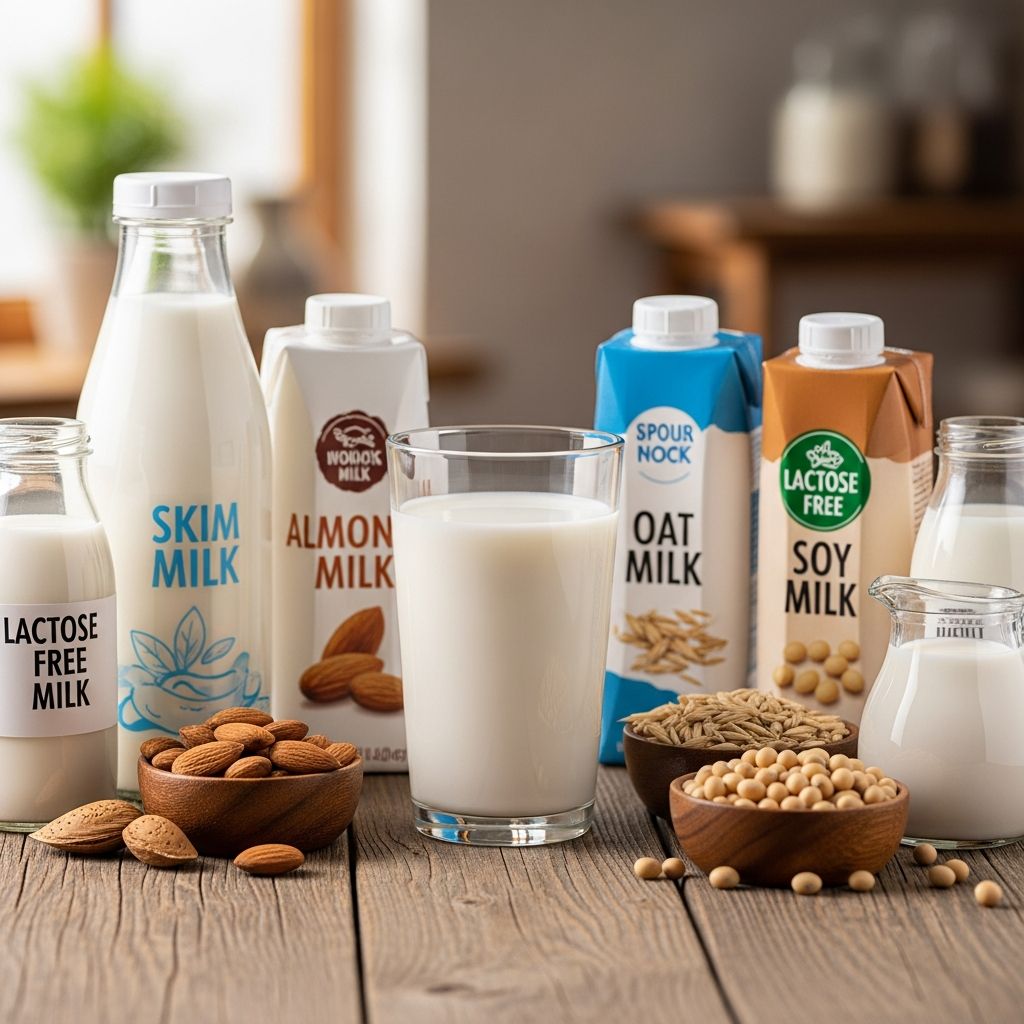
Understanding Milk Choices for Growing Children
For many families, milk is a staple at the breakfast table and a common drink at snack time. It’s packed with important nutrients like calcium, protein, vitamin D, and other vitamins that support strong bones, muscle development, and overall growth. But with so many options—whole, 2%, 1%, and skim—it’s natural for parents to wonder: which type is best for their child, and when should they make a change?
Guidelines have evolved over time, and recommendations can sometimes seem conflicting. Some experts emphasize the importance of fat for young children’s brain development, while others highlight the benefits of lower-fat options for long-term heart health and weight management. The key is understanding your child’s age, growth pattern, and overall diet to make an informed choice.
Why Fat Matters in Early Childhood
During the first few years of life, children grow rapidly and their brains are developing at an incredible pace. Fat plays a crucial role in this process. It provides concentrated energy, supports the absorption of fat-soluble vitamins (A, D, E, and K), and supplies essential fatty acids needed for brain and nervous system development.
Whole milk contains about 3.25% fat, which makes it a rich source of calories and nutrients for toddlers and young children who are still building their eating patterns. For children under age 2, whole milk is generally recommended because it helps meet their high energy needs without requiring them to eat large volumes of food.
At this stage, the focus is less on limiting fat and more on ensuring adequate nutrition. Children who are growing steadily and eating a variety of foods typically do well on whole milk, and there’s no strong evidence that drinking whole milk leads to excess weight gain when overall intake is balanced.
When Is It Safe to Consider Lower-Fat Milk?
Most pediatric and nutrition guidelines suggest that once a child reaches age 2 and is growing well, it becomes safe to consider switching from whole milk to lower-fat options like 1% or skim milk. This shift is often recommended as part of a broader strategy to support heart health and manage calorie intake as children get older.
The decision to switch should be based on several factors:
- Is the child growing steadily and meeting developmental milestones?
- Does the child have a family history of obesity, high cholesterol, or heart disease?
- Is the child’s overall diet balanced, with a variety of fruits, vegetables, whole grains, and lean proteins?
If the answer to these questions is yes, then transitioning to low-fat or skim milk can be a reasonable step. However, it’s important to remember that this is a guideline, not a strict rule. Some children may continue to do well on whole or 2% milk, especially if they are very active or have a smaller appetite.
Comparing Milk Types: What’s in a Glass?
To make an informed decision, it helps to understand the nutritional differences between common milk types. Here’s a comparison of what’s in an 8-ounce (1 cup) serving of each:
| Milk Type | Calories | Fat (g) | Saturated Fat (g) | Protein (g) | Calcium (mg) |
|---|---|---|---|---|---|
| Whole Milk | ~150 | 8 | 5 | 8 | ~300 |
| 2% Milk | ~120 | 5 | 3 | 8 | ~300 |
| 1% Milk | ~100 | 2.5 | 1.5 | 8 | ~300 |
| Skim (Nonfat) Milk | ~80 | 0 | 0.5 | 8 | ~300 |
As the table shows, the main differences are in calories and fat content. Protein and calcium levels remain very similar across all types, meaning that children still get the bone-building benefits regardless of whether they drink whole or skim milk.
Benefits of Lower-Fat Milk for Older Children
For children over age 2 who are growing well, switching to 1% or skim milk can offer several advantages:
- Lower saturated fat intake: Reducing saturated fat can support long-term heart health, especially for children with a family history of high cholesterol or heart disease.
- Fewer calories: Skim and 1% milk provide the same nutrients with fewer calories, which can be helpful for children who are gaining weight rapidly or who already have a high-calorie diet.
- Support for healthy weight patterns: In some cases, choosing lower-fat milk can be part of a broader strategy to encourage balanced eating and prevent excessive weight gain.
However, it’s important to note that simply switching to skim milk does not automatically lead to a healthier weight. Overall diet quality, physical activity, and portion sizes play a much larger role in a child’s weight and health.
When to Be Cautious About Low-Fat Milk
While lower-fat milk can be a good choice for many children, it’s not always the best option, especially for younger kids. Here are some situations where caution is warranted:
- Children under age 2: Whole milk is generally recommended because of its higher fat and calorie content, which supports rapid growth and brain development.
- Children with poor appetite or slow growth: If a child is a picky eater or not gaining weight as expected, the extra calories and fat in whole or 2% milk may be beneficial.
- Children on multiple low-fat or low-calorie foods: If a child’s diet already includes many low-fat or low-calorie items, switching to skim milk could make it harder to meet their energy and nutrient needs.
In these cases, it’s often better to stick with whole or 2% milk and focus on other aspects of the diet, such as limiting sugary drinks and snacks, rather than cutting fat from milk.
How to Make the Switch Smoothly
Changing from whole milk to a lower-fat option doesn’t have to be abrupt or stressful. A gradual approach often works best:
- Start by mixing whole milk with 2% milk, then gradually increase the proportion of 2% over a week or two.
- Once the child is comfortable with 2%, you can repeat the process with 1% milk if desired.
- For skim milk, some children notice a difference in taste and texture. If they resist, it’s okay to stick with 1% or even 2% milk, especially if they are otherwise healthy and active.
Offer milk at meals and snacks, but avoid letting children drink large amounts throughout the day. Excessive milk intake can reduce appetite for other important foods, especially iron-rich ones like meat, beans, and leafy greens, which can increase the risk of iron deficiency anemia.
How Much Milk Is Enough?
More milk is not always better. Even though milk is nutritious, drinking too much can crowd out other foods and lead to imbalances. General recommendations for daily milk intake are:
- Children 1–2 years old: 16–24 ounces (2–3 cups) of whole milk per day.
- Children 2–5 years old: 16–20 ounces (2–2.5 cups) of milk per day, whether whole, 2%, 1%, or skim, depending on their needs.
- Children 6 years and older: 2–3 cups of milk or equivalent dairy per day, as part of a balanced diet.
These amounts can come from milk, yogurt, cheese, and other fortified dairy products. If a child doesn’t drink much milk, other calcium-rich foods can help meet their needs.
What If My Child Doesn’t Like Milk?
Not every child enjoys drinking milk, and that’s okay. Milk is a convenient source of calcium and vitamin D, but it’s not the only one. Children can get these nutrients from a variety of foods, including:
- Dairy: yogurt, cheese, cottage cheese
- Fortified plant-based beverages: soy, oat, or almond milk (choose unsweetened, calcium- and vitamin D–fortified versions)
- Calcium-rich foods: leafy greens (kale, bok choy), broccoli, tofu made with calcium sulfate, canned fish with bones (like salmon and sardines), beans, and fortified cereals
If your child avoids milk altogether, work with your pediatrician or a dietitian to ensure they’re getting enough calcium and vitamin D from other sources, especially if they have limited sun exposure or follow a vegan diet.
Special Considerations and When to Talk to a Doctor
Every child is different, and some may need individualized advice about milk and dairy. It’s a good idea to discuss milk choices with your pediatrician if:
- Your child is underweight, not growing as expected, or has a very limited diet.
- There’s a family history of obesity, high cholesterol, or heart disease.
- Your child has a milk allergy, lactose intolerance, or follows a plant-based diet.
- You’re unsure whether to switch to lower-fat milk or how much milk is appropriate.
A pediatrician or registered dietitian can help you weigh the pros and cons based on your child’s unique situation and recommend a plan that supports healthy growth without unnecessary restrictions.
Frequently Asked Questions
Can I give my 1-year-old skim milk?
No, skim milk is not recommended for children under age 2. At this age, children need the higher fat content of whole milk to support rapid growth and brain development. Stick with whole milk until at least age 2, unless your pediatrician advises otherwise.
Is skim milk less nutritious than whole milk?
Skim milk has slightly less vitamin A and fewer calories, but it still provides the same amount of protein and calcium as whole milk. Most skim milk is fortified with vitamin A and vitamin D, so it remains a nutritious choice for older children and adults.
Will switching to skim milk help my child lose weight?
Switching to skim milk alone is unlikely to cause significant weight loss. Weight management depends more on overall diet quality, portion sizes, and physical activity. If weight is a concern, focus on balanced meals, limit sugary drinks and snacks, and encourage regular physical activity.
What if my child refuses low-fat milk?
It’s okay if your child prefers whole or 2% milk. The most important thing is that they drink an appropriate amount of milk and eat a variety of healthy foods. For many children, 2% milk is a reasonable compromise between fat content and taste.
Can I give my child plant-based milk instead of cow’s milk?
Yes, but choose unsweetened, calcium- and vitamin D–fortified options like soy milk, which is nutritionally closest to cow’s milk. Avoid giving young children rice milk or other plant-based drinks that are low in protein and calories unless advised by a doctor or dietitian.
Final Thoughts: Flexibility Over Rules
Choosing the right milk for your child doesn’t have to be complicated. The general rule is whole milk for children under 2, and then a transition to lower-fat options like 1% or skim milk once they are growing steadily and eating a balanced diet. But this is a guideline, not a one-size-fits-all rule.
What matters most is that your child is growing well, eating a variety of nutritious foods, and enjoying their meals. If they thrive on whole milk and their pediatrician has no concerns, there’s no urgent need to switch. If lower-fat milk fits better with your family’s health goals, a gradual transition can be a positive step.
When in doubt, talk to your pediatrician. They can help you make a decision that’s right for your child’s age, growth, and overall health, so you can feel confident that you’re supporting their development in the best way possible.
References
- Healthy Weight: Results from Studies in Children and Adolescents — Dairy Nutrition. 2023. https://dairynutrition.ca/en/nutrition-and-health/weight-and-dairy/healthy-weight-results-studies-children-and-adolescents
- Low Fat Milk and Children — The Institute for Family Health. 2011. https://admin.institute.org/wp-content/uploads/2011/06/LowFat_Milk_Eng.pdf
- When Should Kids Switch to Nonfat Milk? — Nemours KidsHealth. 2023. https://kidshealth.org/en/parents/start-skim-milk.html