Transitioning your child from a rear-facing to a forward-facing car seat is a key milestone in child passenger safety. Safety authorities unanimously advise keeping children rear-facing until they reach the maximum height or weight limits specified by their car seat manufacturer, often around age 2 or older. This position provides superior protection for the head, neck, and spine during crashes.
Understanding Rear-Facing vs. Forward-Facing Protection
Rear-facing seats distribute crash forces across the child’s back and shell, minimizing head and neck movement. Forward-facing seats with harnesses and tethers limit forward motion but offer less head protection compared to rear-facing. Experts from the National Highway Traffic Safety Administration (NHTSA) emphasize that children under 2 are at higher risk of injury if turned forward prematurely.
In forward-facing mode, the harness restrains the body while the top tether anchors the seat top to the vehicle, reducing head excursion by 4-6 inches in a crash. This prevents the head from striking interior parts like seats or doors.
Age, Weight, and Height Guidelines for Switching
Most children do not outgrow rear-facing limits until at least 2 years old. NHTSA guidelines state: keep rear-facing until the top height or weight limit of the car seat, then switch to forward-facing with harness and tether.
- Minimum age: 2 years or older, or when rear-facing limits are reached.
- Weight limits: Rear-facing typically up to 40-50 lbs; forward-facing up to 65 lbs in many seats.
- Height limits: Rear-facing until shoulders below harness slots or top of head nears shell top.
Some states mandate rear-facing until 2 years by law. Always consult your car seat manual and state regulations via the Governor’s Highway Safety Association.
Signs Your Child is Ready for Forward-Facing
Check these indicators before switching:
| Check | Ready if… | Not Ready if… |
|---|---|---|
| Height | Top of head is at least 1 inch below seat shell top (rear-facing) | Head is even with or above shell top |
| Weight | Exceeds rear-facing max (e.g., 40 lbs) | Below rear-facing max |
| Shoulder Position | Shoulders at or below forward harness slots | Shoulders above slots |
| Age | 2+ years and limits met | Under 2 years |
Never base the switch solely on age; prioritize manufacturer limits.
Types of Forward-Facing Car Seats
Choose from these options:
- Convertible seats: Rear- to forward-facing; versatile for long-term use.
- Combination seats: Forward-facing harness to booster.
- Forward-facing-only: For children already out of rear-facing.
Remain in a 5-point harness forward-facing until at least 40 lbs and 5-6 years old for best protection.
Step-by-Step Installation Guide
Proper installation is critical; loose seats cause 70% of misuse issues. Use vehicle manual, car seat manual, and LATCH labels.
- Position seat: Rear-facing first, then rotate to forward-facing. Use correct belt path.
- Secure base:
- Seat belt: Thread through path, lock (passenger belt mode), tighten until <1 inch movement.
- LATCH: For lighter kids (check weight limits, often 40-65 lbs max); lower anchors only up to limits.
- Attach tether: Hook to vehicle anchor; always use to limit head motion.
- Test fit: <1 inch side-to-side or front-back movement at belt path.
For LATCH: Tighten connectors; avoid over 40 lbs without switching to belt.
Harness Adjustment and Child Fit
In forward-facing:
- Harness straps at or above shoulders.
- Snug fit: Pinch test—no slack on chest/shoulders.
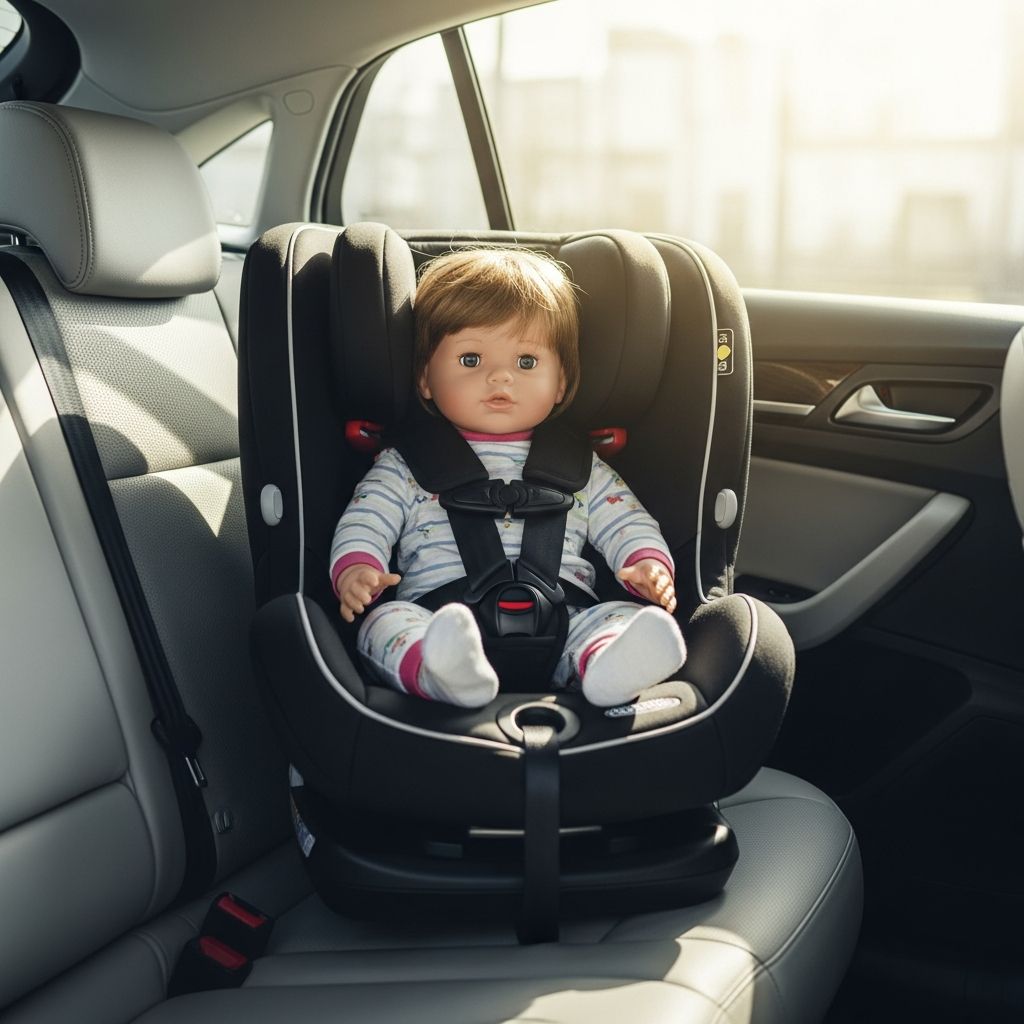
- Chest clip at armpit level.
- No thick coats; dress lightly and use blanket over harness.
Re-check fit every ride.
Common Mistakes and How to Avoid Them
Avoid these pitfalls:
- Turning too early: Increases injury risk; wait for limits.
- No tether: Critical for stability.
- Loose install: Press down firmly to tighten.
- Wrong harness height: Adjust before install.
- Puffy jackets: Compress under harness for snug fit.
From Forward-Facing to Booster Seats
Stay forward-facing with harness until max limits (typically 65 lbs, 49-57 inches). Then transition to high-back booster until 4’9″ tall, always back seat.
Boosters position vehicle belt correctly; harnessed seats offer more crash protection.
Legal Requirements Across States
Many states require rear-facing to age 2. Forward-facing mandates vary; check NHTSA and local laws. All require tethers where available.
Frequently Asked Questions
Can I use LATCH for forward-facing seats over 40 lbs?
No, most seats limit LATCH to 40-65 lbs; switch to seat belt for heavier children. Check manual.
Is the top tether always required?
Yes, for forward-facing; it significantly reduces head movement in crashes.
What if my child fights rear-facing past age 2?
Keep rear-facing until limits; distractions like toys help. Safety outweighs comfort.
How do I know if the harness is tight enough?
Pinch the strap over collarbone; no more than 1 inch of slack.
When should my child move to a booster?
After outgrowing forward-facing harness limits, around 4-7 years.
Additional Safety Tips
- Register car seat for recall alerts.
- Inspect for expiration (6-10 years from manufacture).
- Use back seat until 13 years.
- Get professional inspection at fire stations or hospitals.
Following these steps ensures your toddler’s safety. Prioritize rear-facing as long as possible, then forward-facing with proper setup.
References
- Car Seat Safety By Age: Toddlers in Forward-facing Seats — Children’s Hospital of Philadelphia. 2022-02-16. https://www.youtube.com/watch?v=MXXUj08ZRjw
- Forward-Facing Basics — The Car Seat Lady. N/A. https://thecarseatlady.com/forward-facing-basics/
- Car Seats and Booster Seats — National Highway Traffic Safety Administration (NHTSA). N/A. https://www.nhtsa.gov/equipment/car-seats-and-booster-seats
- Car Seat Recommendations for Children by Age & Size — National Highway Traffic Safety Administration (NHTSA). N/A. https://www.nhtsa.gov/sites/nhtsa.dot.gov/files/documents/carseat-recommendations-for-children-by-age-size.pdf
- Passenger Safety for Little Kids — Safe Kids Worldwide. N/A. https://www.safekids.org/content/passenger-safety-little-kids