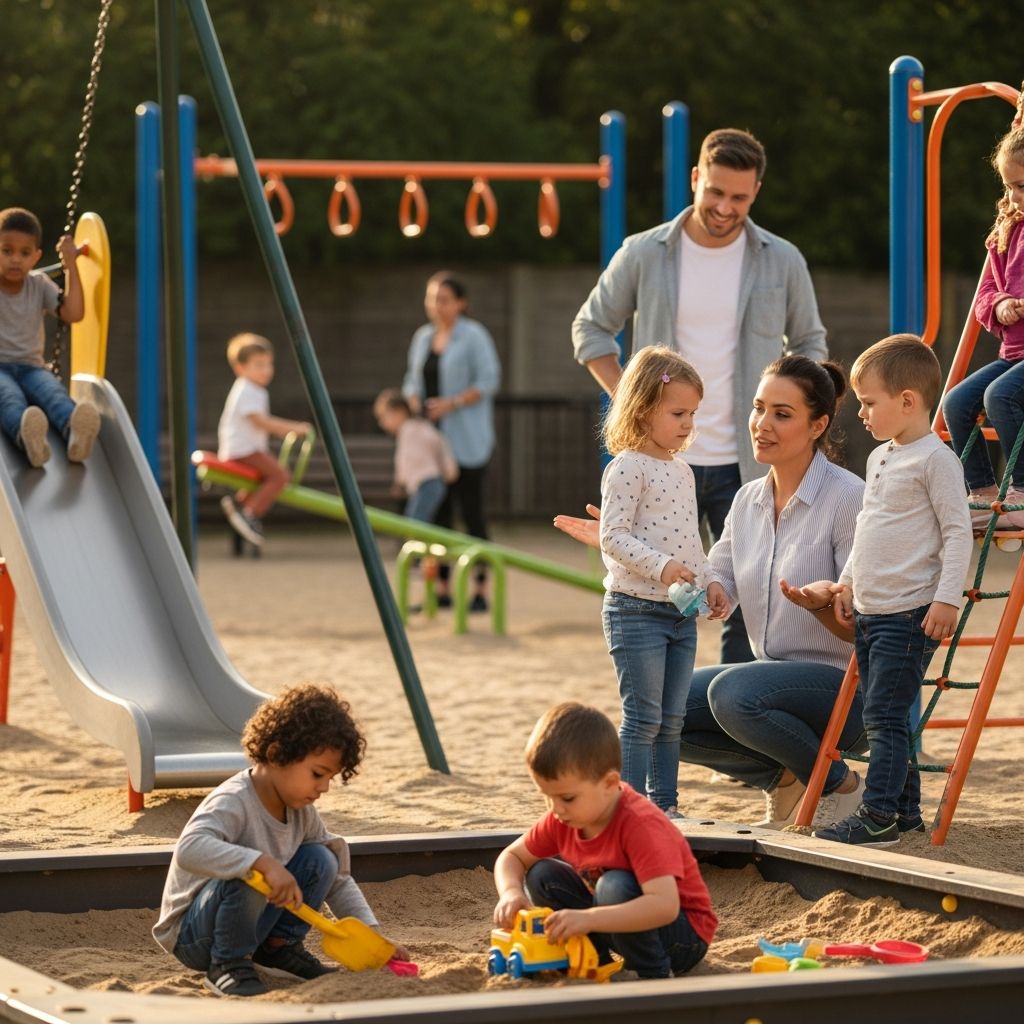
Playgrounds serve as vital arenas for children’s physical, emotional, and social growth. Yet, they often become hotspots for disagreements that test young minds. Parents frequently grapple with deciding whether to intervene in these scuffles or allow kids to resolve them independently. The key lies in recognizing that most playground spats offer valuable opportunities for learning empathy, negotiation, and self-regulation, provided they remain safe.
Understanding the Nature of Children’s Playground Interactions
Children’s play encompasses a spectrum from cooperative games to rough-and-tumble activities. Rough play, such as chasing or wrestling, is a natural way for kids to explore boundaries, release energy, and build physical confidence. Research indicates that such interactions enhance social competence when supervised appropriately. However, distinguishing playful roughhousing from genuine aggression is crucial. Signs of true conflict include visible distress like crying, anger, or withdrawal, unlike the laughter and quick recovery typical of fun tussles.
Young children, particularly toddlers and preschoolers, possess limited emotional regulation skills. They may resort to pushing or grabbing due to impulsivity rather than malice. By age 3-5, many begin developing better control, but lapses are common. Parents can support this growth by observing from afar initially, intervening only when necessary to model calmer responses.
Key Indicators for Parental Intervention
Not every raised voice warrants a rush to the rescue. Experts emphasize allowing children autonomy in minor disputes to cultivate problem-solving abilities. Intervene promptly in these scenarios:
- Physical harm: Any hitting, kicking, or injury risk demands immediate action to ensure safety.
- Bullying patterns: Repeated targeting, especially by a larger or older child, signals a power imbalance requiring adult oversight.
- Emotional distress: Persistent crying, fear, or refusal to continue play indicates the interaction has crossed into harmful territory.
- Size or age disparities: When one child cannot defend themselves fairly, step in to level the field.
In contrast, brief arguments over toys or turns often resolve naturally, teaching resilience. Studies show that children who navigate these independently form stronger friendships later.
Effective Strategies for Stepping In Without Overriding
When intervention is needed, approach calmly to avoid escalating tensions. Position yourself at eye level and encourage verbal expression. A structured mediation process empowers kids while imparting lifelong skills:
- Assess and separate if urgent: Ensure no one is hurt, then bring the children together.
- Hear both sides: Let each child explain without interruption. Paraphrase back: “So, you felt it was your turn on the slide because you waited longest?” This validates feelings and clarifies misunderstandings.
- Prompt brainstorming: Ask open questions like, “What could make this fair for everyone?” or “How can we take turns next time?” Avoid dictating solutions.
- Reinforce positive resolutions: Praise reasonable ideas and guide gently if needed, such as suggesting a timer for shared equipment.
- Release and monitor: Send them back to play without grudges, observing to prevent repeats.
This method, akin to family therapy techniques, boosts children’s sense of being heard and teaches compromise—a skill that matures into adolescence.
Establishing Ground Rules for Safer Play
Proactive prevention trumps reactive fixes. Collaborate with your child to set clear playground rules, such as “No hitting, even in fun” or “Check if everyone’s smiling.” Involve them in rule-making to foster ownership. Display these as simple posters or reminders during playdates.
For group settings like school recess, programs marking play areas with games reduce idle conflicts by engaging kids in structured activities. Such initiatives have cut confrontations by up to 86% and injuries dramatically. At home, model non-violent communication: Use words like “I feel upset when…” instead of physical reactions.
| Conflict Type | Examples | Best Parental Response |
|---|---|---|
| Playful Roughhousing | Wrestling with laughter | Observe; intervene only if signs of distress appear |
| Toy Disputes | Arguing over swings | Encourage negotiation; use mediation if prolonged |
| Aggressive Acts | Pushing, biting | Stop immediately, address feelings, teach alternatives |
| Bullying | Repeated exclusion or taunts | Intervene firmly, involve supervisors if needed |
Age-Appropriate Expectations and Long-Term Benefits
Expectations vary by developmental stage. Toddlers may need frequent guidance due to poor impulse control, while school-age kids benefit from more independence. Negotiation proficiency often solidifies around age 19, but early practice accelerates it.
Resolved conflicts yield profound gains: enhanced empathy, better peer relations, and reduced aggression in adulthood. Mediation leaves parents feeling effective and children valued, creating a positive feedback loop. Neglect these moments, and kids miss critical social lessons, potentially leading to escalated issues later.
Addressing Common Challenges in Sibling and Peer Play
Sibling rivalries mirror playground dynamics but occur in familiar settings. Promote unity by celebrating their bond—shared outings or “family game nights” without competition against parents. Ensure equitable, not identical, treatment to avoid resentment.
For peers, teach de-escalation: Firm “no,” turning away, or seeking adult help. Time-outs serve as last resorts after verbal attempts fail. In diverse groups, watch for exclusion based on differences; gently coach inclusivity.
Parents modeling calm dispute resolution is paramount. Children mimic observed behaviors, so demonstrate compromise in your interactions.
Building Emotional Resilience Through Play
Playgrounds aren’t just for fun; they’re classrooms for emotional intelligence. Encourage mindfulness practices like deep breathing to aid regulation, especially for younger ones. Post-conflict debriefs at home reinforce lessons: “What worked well today?”
Community efforts, like teacher training in conflict resolution, amplify home strategies. Schools adopting purposeful play zones report fewer referrals and happier recesses.
Frequently Asked Questions
What if my child is always the victim in playground fights?
Empower them with assertiveness scripts like “Stop, that hurts!” Role-play scenarios at home and monitor playdates closely. If patterns persist, consult a pediatrician for social skills support.
Is rough play ever dangerous?
Yes, without boundaries. Set rules ensuring consent and halt at distress signals. It builds strength but requires vigilance.
How do I avoid playing favorites during mediation?
Focus on behaviors, not personalities. Treat equally by hearing all sides impartially and praising group solutions.
When should I involve teachers or authorities?
For bullying or repeated incidents beyond one-off spats. Document details and communicate collaboratively.
Can very young kids (under 3) resolve conflicts?
Limitedly; they need more direct modeling. Use simple directives and distractions, gradually introducing words.
Fostering a Culture of Peaceful Play
Ultimately, playgrounds thrive when parents prioritize guidance over control. By intervening judiciously, teaching verbal tools, and modeling respect, you equip children for life’s inevitable clashes. This approach not only minimizes harm but maximizes growth, turning potential battlegrounds into bridges for lasting friendships.
References
- When Should Parents Stop Playground Fights Among Kids? Rarely. — Fatherly. 2023. https://www.fatherly.com/parenting/when-should-parents-stop-playground-fights
- Rough-and-tumble play: a guide. — Raising Children Network (Australian Government-funded). 2023-10-15. https://raisingchildren.net.au/preschoolers/play-learning/active-play/rough-play-guide
- 8 common playground problems and how to help. — Understood.org (non-profit for learning differences). 2024. https://www.understood.org/en/articles/8-common-playground-problems-and-how-to-help
- 10 Tips to Prevent Aggressive Behavior in Young Children. — American Academy of Pediatrics (healthychildren.org). 2023-05-12. https://www.healthychildren.org/English/ages-stages/toddler/Pages/Aggressive-Behavior.aspx
- When Play Becomes Too Rough. — Cornell Cooperative Extension (Cornell University). 2022. https://schenectady.cce.cornell.edu/parenting/challenging-behaviors/when-play-becomes-too-rough
- Reduce Playground Confrontations with Peaceful Playgrounds. — Peaceful Playgrounds. 2024. https://peacefulplaygrounds.com/reduce-recess-confrontations/