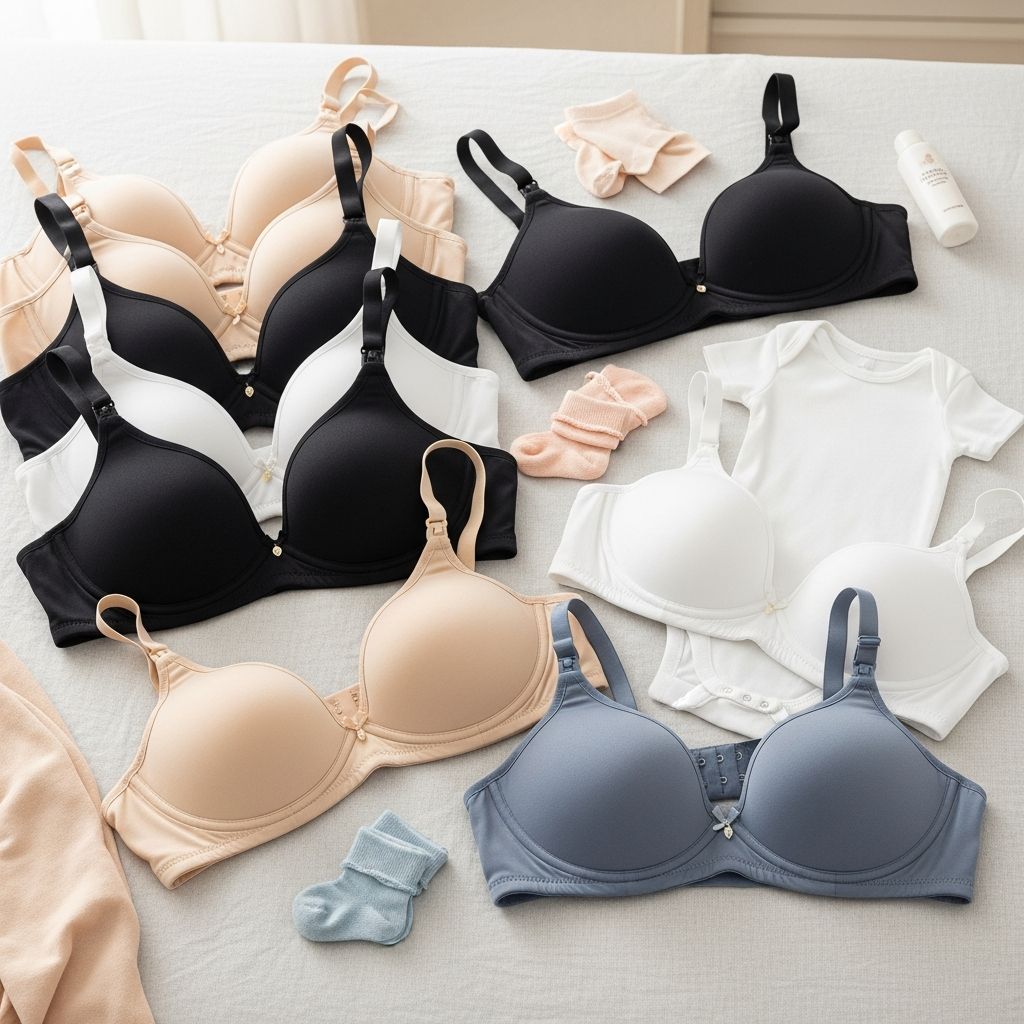
Breasts rarely read the pregnancy rulebook. Some barely change until the baby arrives, while others seem to jump several sizes in a matter of weeks. That unpredictability can make shopping for maternity and nursing bras feel confusing, but a bit of planning and realistic expectations go a long way.
This guide walks through how your body typically changes, when it makes sense to buy different types of bras, and what features will actually make life easier during pregnancy and breastfeeding.
How Pregnancy Changes Your Breasts
Pregnancy hormones stimulate the growth of milk ducts and glandular tissue, which usually leads to fuller, heavier breasts and a wider ribcage. Many people gain one or more cup sizes and at least one band size during pregnancy, with another temporary jump when milk production ramps up after birth.
Because of these shifts, the bra that felt perfect before conception often becomes tight at the band, cuts into breast tissue, or leaves red marks on shoulders long before the third trimester. Getting ahead of this discomfort is the main reason to invest in better-fitting bras rather than waiting until after delivery.
Timeline: When To Shop For Which Bras
Instead of buying an entire new bra wardrobe at once, it helps to think in stages. Each phase of pregnancy and early postpartum has slightly different needs for support and flexibility.
| Stage | Typical Changes | Recommended Bras |
|---|---|---|
| First trimester (0–13 weeks) | Sensitivity, early size changes, expanding ribcage | Softer non-wired bras, stretch bralettes, or early maternity bras |
| Second trimester (14–27 weeks) | More stable size, noticeable increase in volume | Supportive maternity bras; some may choose flexible nursing bras |
| Third trimester (28–40 weeks) | Fullest pregnancy size, heavier breasts | Well-fitting maternity bras; 1–2 nursing bras for postpartum |
| Early postpartum (birth–8 weeks) | Engorgement, fluctuating size, frequent feeds | Soft, stretchy nursing bras and sleep bras |
| Later breastfeeding months | More predictable size and feeding pattern | Everyday nursing bras with firmer support if desired |
First Trimester: Starting With Comfort
In the first few months, the biggest complaints are usually tenderness and a band that suddenly feels too snug. You may not be ready to commit to full maternity or nursing bras, but you also do not need to tough it out in underwires that dig in.
For many, the best first step is simply moving into softer, more forgiving options that can handle subtle changes without requiring a full refit.
- Choose wireless or flexible-wire bras that do not press into breast tissue.
- Look for stretchy cups that can expand a size or two as volume increases.
- Opt for bands with several rows of hooks, so you can let them out over time.
- Consider inexpensive bralettes or sports-style bras as a bridge solution.
Second Trimester: Building Your Maternity Bra Wardrobe
The middle of pregnancy is often when breast size levels off enough that a proper fitting becomes worthwhile. This is a smart time to buy bras meant specifically to support your changing shape, because they may last through the rest of pregnancy and into the early postpartum period.
Some people prefer to keep pregnancy and nursing bras separate, while others look for styles that can transition between both roles.
Features To Look For Now
- Wide, supportive band: This does more work than the straps and helps distribute weight comfortably.
- Full-coverage cups: These contain breast tissue securely without spillage or cutting in.
- Adjustable straps: Longer straps help accommodate a growing belly and shifting posture.
- Breathable fabrics: Cotton blends or technical fabrics help reduce sweat and irritation.
If you are fairly sure you want to breastfeed, you may choose one or two soft nursing bras at this stage, especially if they are designed with plenty of stretch and multiple band settings.
Third Trimester: Preparing For Nursing
By the final weeks of pregnancy, many people are close to their largest pregnancy breast size. This is often the most practical time to choose at least a couple of nursing bras so that you are not scrambling to shop in those hazy days right after giving birth.
The goal is to find bras that feel comfortable right away, while still leaving a little room for the short-term fullness that comes when milk production increases in the first days postpartum.
How Many Bras To Have Before Birth
- 1–2 everyday nursing bras with decent support and easy-to-use clips.
- 1 soft sleep bra or stretchy bralette for night feeds and cluster-feeding days.
- Your favorite supportive maternity bra, if it still fits, as a backup or daytime option.
Early Postpartum: Expect Fluctuation
Once the baby arrives, breast size typically becomes unpredictable for a while. Many experience a few days of pronounced fullness, followed by several weeks where size can change over the course of a single day depending on feeding patterns.
During this period, softness, flexibility, and quick access often matter more than a perfectly tailored shape.
- Use stretchy nursing bras that can handle going from full to empty and back again.
- Sleep in light support bras to hold nursing pads in place and prevent leaks on sheets.
- Delay buying a large number of more structured bras until feeds and supply settle into a rhythm.
Later Breastfeeding Months: Refining Fit
After several weeks or months, many find that feeding intervals are more predictable and breast size no longer swings as wildly from morning to night. This is a good time to reassess fit and invest in higher-quality pieces for the remainder of your breastfeeding journey.
If you return to work or spend more time away from home, you may also want bras that look smooth under office clothing and feel comfortable for long stretches.
- Add a couple of molded-cup nursing bras for a more defined shape under clothes.
- Consider a pumping-compatible or hands-free pumping bra if you use a breast pump regularly.
- Rotate at least three everyday bras so each has time to air out between wears.
How To Measure Yourself At Home
Professional fittings can be helpful, but they are not the only way to find a supportive bra. A flexible tape measure and a mirror can give you a solid starting size, which you can then adjust based on how different brands fit.
Simple Measuring Steps
- Band measurement: Wrap the tape snugly around your ribcage directly under the bust, parallel to the floor. Round to the nearest whole number.
- Bust measurement: Measure around the fullest part of your bust while standing straight but relaxed, without compressing the tissue.
- Calculate difference: Subtract the band measurement from the bust measurement. Each inch of difference roughly represents one cup size in many sizing systems (for example, 1 inch = A, 2 inches = B, and so on).
- Adjust in practice: Try on bras near that size and focus more on comfort, containment, and band stability than the letter on the tag.
Key Features Of A Good Maternity Or Nursing Bra
Regardless of when you buy, a few design details tend to make pregnancy and breastfeeding bras more comfortable and functional day to day. Paying attention to these details often matters more than obsessing over a perfectly exact measurements.
- Supportive band: Feels firm but not painful, sits level around the body, and does not ride up in the back.
- Full coverage cups: No cutting in at the top or sides, and nipples sit centered in the cup.
- Soft inner lining: Smooth against sensitive skin and seams that do not rub.
- Easy nursing access: Clips or pull-aside designs that can be opened one-handed while holding a baby.
- Room to adjust: Multiple hook positions and adjustable straps for changing body proportions.
Underwire Or Wireless During Pregnancy?
Underwire bras can still work in pregnancy and breastfeeding if the wires are well-sized, sit entirely around the breast tissue, and do not dig into the chest wall. For some people, they provide welcome lift, especially later in pregnancy or with a larger cup size.
However, many prefer wireless styles during these months because they flex more easily with changing shapes and place less pressure on tender areas. Trying both and paying attention to how your body feels after several hours of wear is more important than following a strict rule.
How Many Maternity And Nursing Bras Do You Really Need?
The “right” number of bras depends on how often you do laundry, how much you leak, and whether you spend most days at home or out of the house. That said, having a small core rotation helps each bra last longer and keeps you prepared for middle-of-the-night spit-up incidents.
Sample Minimal Wardrobe
- 2–3 everyday maternity or nursing bras for daytime wear.
- 1–2 soft sleep bras for nights and laid-back days.
- 1 more structured or dressy bra for work or special occasions if desired.
You can always add more once you know which styles and brands truly work for your body and lifestyle, instead of guessing months in advance.
Caring For Your Bras So They Last
Frequent washing, milk leaks, and constant wear can break down the elastic and fabric of bras more quickly during pregnancy and breastfeeding. Gentle care stretches your budget and maintains support.
- Hand-wash or use a delicate cycle with cool water in a lingerie bag.
- Skip fabric softeners, which can weaken elastic and affect fabric performance.
- Always air dry; heat from dryers is hard on stretch fibers and can warp cups.
- Rotate bras so no single one is worn multiple days in a row.
Frequently Asked Questions About Maternity And Nursing Bras
Do I have to buy maternity bras and nursing bras separately?
Not necessarily. Some nursing bras are designed with enough flexibility and support to work during both pregnancy and breastfeeding. Others prefer dedicated maternity bras early on and then switch to nursing bras closer to birth, especially if body changes are significant.
Can I wait until after the baby is born to buy nursing bras?
It is possible, but many people appreciate having at least one or two ready before delivery so they do not need to shop immediately postpartum. A balanced approach is to buy a small starter set late in pregnancy and then reassess fit a few weeks after birth once size changes become more predictable.
What if my size keeps changing and nothing seems to fit for long?
When size is in constant flux, look for bras with stretchy cups, long bands with multiple hook positions, and minimal padding. These tend to adapt better to daily fluctuations than very stiff, molded styles, and they reduce the frustration of buying something that only feels perfect for a short window.
Are sports bras okay to use as maternity or nursing bras?
Light-impact sports bras can be a comfortable option, especially in early pregnancy or for lounging. For nursing, some parents prefer sports bras with front zips or pull-aside designs to make feeds easier; traditional high-compression styles may feel too restrictive for full breasts.
When should I get professionally fitted?
Any time a bra feels uncomfortable or you have changed noticeably in size, a fitting can be helpful. Many choose to get measured once in the second trimester and again late in pregnancy or early postpartum, but there is no wrong time to seek guidance if you are unsure about fit.
Making Bra Shopping Less Stressful
Pregnancy and breastfeeding bring enough unpredictability without turning every bra purchase into a high-stakes decision. Focusing on comfort, adjustability, and a small but flexible wardrobe helps you stay supported without overbuying.
Your body will keep evolving, and your bra drawer can evolve with it. A few well-chosen pieces, added at the right times, are usually all that is needed to carry you from the first trimester through those last breastfeeding sessions.