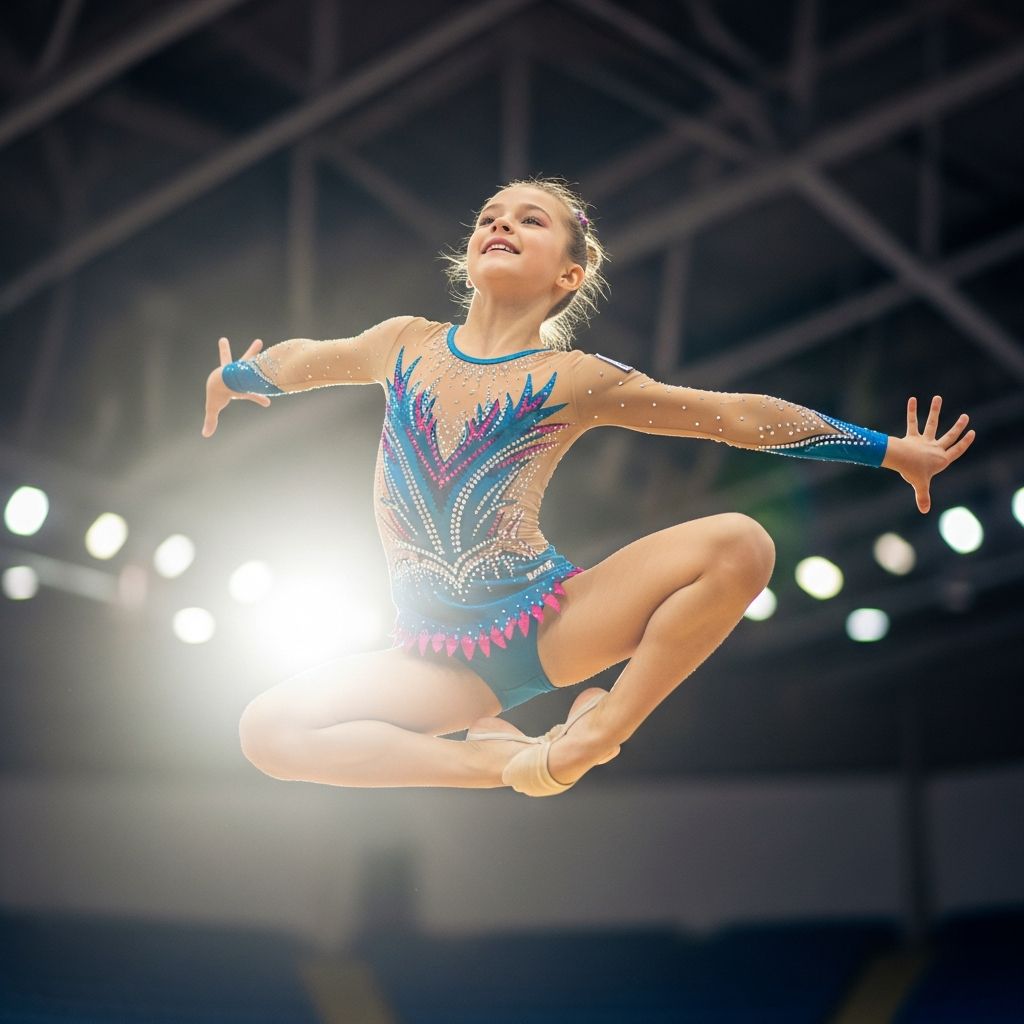
In recent years, short videos of tiny gymnasts flipping, cartwheeling, and sticking landings have exploded across social media. Parents share a few seconds of their child’s practice, and suddenly millions of strangers are cheering for a future Olympian they have never met. This new visibility is reshaping how families, coaches, and the broader gymnastics community think about talent, training, and childhood itself.
This article looks at what happens when a very young gymnast becomes internet-famous, how that intersects with the long history of American gymnastics, and what parents should weigh before putting their child’s athletic journey online.
The Long Road to Elite Gymnastics in America
To understand why a viral video of a child’s cartwheel feels so powerful, it helps to remember that gymnastics in the United States has deep and demanding roots.
- Organized gymnastics developed in Europe and became formalized for competition by the late 19th century, with the International Gymnastics Federation created in 1881 for international governance.
- Gymnastics entered the modern Olympic Games in 1896 and has been contested at every Summer Olympics since, making it one of the core marquee sports.
- In the U.S., immigrant communities and physical culture movements (such as Turnvereins and Sokols) introduced structured gymnastics in the 19th century, eventually spreading into schools and colleges.
- The United States Gymnastics Federation—now known as USA Gymnastics—emerged as the national governing body by 1970, helping to organize national championships, training programs, and Olympic selection.
Today, a competitive pathway from recreational tumbling to the Olympics is well-defined: local clubs feed into developmental programs, then elite tracks, collegiate teams, and national squads. Viral child gymnasts sit at the very beginning of this pipeline, often before kindergarten, but the choices made early can have long-term consequences.
How a Toddler Routine Becomes a Global Sensation
Parents often start by recording a practice for grandparents or close friends. Someone posts a clip to a platform like Instagram or TikTok, an algorithm latches on, and within days a four-year-old has more views than many professional athletes.
Why These Videos Capture Attention
- Contrast of size and skill: Viewers are stunned to see advanced strength, balance, or fearlessness in such a small body.
- Pure joy: Young gymnasts often radiate enthusiasm; their smiles and unfiltered reactions feel more authentic than heavily produced sports content.
- Family narrative: Clips that include a parent’s voice, laughter, or coaching create an emotional story that audiences want to follow.
- Shareability: Short, visually striking moves—a perfect handstand, a surprising back tuck—lend themselves perfectly to looping videos and reposts.
The result is a new kind of micro-celebrity: a preschooler who is both a developing athlete and a public figure before truly understanding what that means.
Benefits of Viral Spotlight for Young Gymnasts
For some families, a viral moment is simply a fun anecdote; for others, it can open doors in the gymnastics world and beyond.
Opportunities That Can Arise
- Access to better resources: New visibility can attract interest from higher-level gyms, specialist coaches, or choreographers, potentially improving training quality.
- Financial support: As a child ages into allowable endorsement or NIL (name, image, and likeness) opportunities, visibility may eventually help cover training fees, travel, and equipment costs—though eligibility rules vary by level and organization.
- Motivation and community: Encouraging messages from around the world can reinforce a child’s enthusiasm and help them see gymnastics as a bigger community, not just what happens at their local gym.
- Documentation of progress: Regularly posted videos naturally create a visual training log; when used thoughtfully, this can help track skill development and technique over time.
In the best cases, parents and coaches channel this attention into long-term development rather than short-term stunts for views.
The Hidden Risks: Pressure, Privacy, and Burnout
Behind the adorable clips lies a serious set of concerns. Young gymnasts already face physical risk and emotional strain; adding public scrutiny can intensify both.
Psychological and Developmental Concerns
- Performance pressure: When thousands of strangers expect a child to amaze them every week, simple practice sessions can start to feel like high-stakes performances.
- Identity tied to achievement: Kids may internalize the idea that their value comes from being “the talented one” or “the viral gymnast,” which can create anxiety if they plateau or face injury.
- Burnout risk: Research on youth sports shows that excessive pressure, specialization too early, and overtraining can lead to burnout, dropout, and long-term dislike of the sport.
Privacy and Safety Challenges
- Loss of control over images: Once a video is posted, it can be downloaded, edited, or shared without the family’s consent.
- Unwanted contact: Public accounts can attract intrusive direct messages, comments, or even in-person attention at meets.
- Digital footprint: Children whose lives are heavily documented online may grow up with a permanent record they did not choose, raising ethical questions around consent and “sharenting.”
Parents have to weigh the temporary thrill of online popularity against the long-term psychological and privacy impact on a child who cannot fully understand it yet.
What the Sport Itself Demands from Young Athletes
Viral fame often spotlights moments that look effortless, but high-level gymnastics has exacting demands that extend far beyond a 30-second clip.
| Aspect of Training | What Viewers See Online | What Happens Off-Camera |
|---|---|---|
| Skill Progression | A child nailing a new tumbling pass | Months or years of drills, strength work, and small corrections |
| Safety | Confident flips on a beam or floor | Spotting by coaches, mat upgrades, fall training, medical oversight |
| Competition | Podium photos and medals | Qualification rules, age-eligibility requirements, and judging criteria governed by national and international bodies |
| Long-Term Development | A preschooler doing advanced tricks | Planning for growth, puberty, injury prevention, and realistic progression to higher levels |
Governing organizations such as USA Gymnastics and the FIG set age minimums and technical rules for competition, in part to balance opportunity with safety and fairness. Families inspired by a viral child star should keep in mind that real success in the sport requires patient, incremental work within these guidelines.
Parents as Managers, Advocates, and Safeguards
When a child becomes both athlete and online personality, parents essentially take on the role of manager, agent, and guardian all at once. Thoughtful boundaries are essential.
Healthy Guardrails for Families
- Set clear goals: Decide whether the priority is enjoyment, skill development, or a serious pathway to elite competition—and let that shape social media use, not the other way around.
- Limit posting frequency: Reserve public sharing for occasional highlights instead of every practice, to reduce pressure and protect privacy.
- Protect identity details: Avoid posting school locations, schedules, or other identifying data that could compromise safety.
- Monitor feedback: Turn off or tightly moderate comments; no child needs to read harsh critiques of their body, talent, or effort.
- Respect the child’s changing wishes: A preschooler may love the camera, but a preteen might not. Be open to evolving boundaries as the child matures.
Parents also bear responsibility for ensuring that training environments adhere to modern athlete-safety standards, including background checks, abuse-prevention education, and channeling concerns to appropriate authorities if something feels wrong.
Coaches in the Spotlight: Balancing Technique and Trend
Coaches once focused solely on what happened inside the gym. Now, they may find their work reaching a global audience—sometimes without their consent or context.
Challenges for Coaches
- Misrepresentation of training: A short clip can make it look like a skill is being rushed or trained unsafely, even if it was one tiny moment in an otherwise cautious session.
- Pressure to entertain: Families may push for harder skills “for the video,” even if the athlete is not truly ready.
- Ethical boundaries: Coaches must maintain professional standards about what is appropriate to film and share, especially for minors.
Strong communication among coach, parent, and child is crucial to ensure that the drive to impress an online audience never overrides the obligation to prioritize safety, age-appropriate training, and long-term health.
How Viral Kids Are Changing the Image of U.S. Gymnastics
Despite the risks, these tiny online stars are influencing how the public sees gymnastics in the United States.
- Broader participation: Parents who might never have considered gymnastics are enrolling kids after seeing relatable, playful clips instead of only elite Olympic finals.
- Greater visibility for boys and younger kids: Viral videos often feature toddlers and young boys, challenging the stereotype that gymnastics is mainly for teenage girls.
- Shift toward fun and creativity: Many popular clips highlight silly moments, bloopers, or creative dance elements, reminding viewers that gymnastics is not only about medals but also about play.
- Growing awareness of safety and culture: As media coverage and documentaries have shed light on past abuses in the sport, families are using online communities to share information and demand safer environments.
In effect, social media is becoming both a promotional tool and, in some cases, an informal watchdog, making the culture around youth gymnastics more visible and, ideally, more accountable.
Practical Tips for Parents of Aspiring Gymnasts
Whether or not your child ever goes viral, the same core principles apply for supporting a healthy, positive relationship with gymnastics.
Choosing a Gym and Program
- Look for coaches with recognized certifications and a clear safety philosophy.
- Ask about policies on filming and social media, including who owns footage and how it can be used.
- Observe a class to see how coaches interact with kids: Is feedback constructive? Is there laughter as well as focus?
- Look for age-appropriate expectations—preschool programs should prioritize fun, gross motor skills, and basic discipline rather than high-pressure competition.
Maintaining Balance for Your Child
- Encourage interests outside gymnastics—art, reading, unstructured play—to protect against over-identification with a single role.
- Normalize rest days and time off after meets or intense blocks of training.
- Talk regularly about feelings around competitions, social media, and expectations from others.
- Celebrate effort, perseverance, and kindness to teammates at least as much as medals or social media metrics.
Frequently Asked Questions (FAQs)
At what age is it safe for kids to start structured gymnastics?
Most clubs offer preschool classes that focus on basic coordination, tumbling, and fun rather than intense skill work. Formal, more demanding training typically ramps up in the early school years, but individual readiness and the quality of coaching matter more than a specific age.
Does going viral help a child’s chances of reaching elite or Olympic levels?
Online popularity by itself does not help a child make national teams. Long-term progress depends on coaching quality, physical health, mental resilience, and adherence to the rules and age requirements set by governing bodies like USA Gymnastics and the FIG. Viral attention can open doors to resources but can also create unhelpful pressure.
How much training is too much for a young gymnast?
Appropriate training volume depends on age, development, and goals. Experts in youth sports medicine warn that early overspecialization and excessive hours can increase injury and burnout risk. Parents should work with coaches and pediatricians or sports-medicine professionals to find a schedule that allows rest, school, and free play.
What should parents keep in mind before posting their child’s routines online?
Consider long-term privacy, the child’s evolving comfort, and potential safety issues. Think about whether a video would still feel okay to your child in five or ten years. Use privacy settings, limit identifiable information, and be ready to take content down if your child later asks you to.
Can gymnastics be healthy and fun without aiming for high-level competition?
Absolutely. Many children enjoy recreational gymnastics for years, gaining strength, balance, confidence, and social connections with no intention of competing seriously. In fact, a playful, low-pressure environment is often the best foundation—even if a child later decides to pursue higher levels.
References
- First 50 Years Timeline — USA Gymnastics. 2023-01-01. https://usagym.org/about/timeline/
- History of Gymnastics — West Coast Elite Gymnastics (summarizing historical development with references to FIG and early U.S. adoption). 2020-06-01. https://wcegymnastics.com/history-of-gymnastics/
- History of Gymnastics — Sokol Museum and Library. 2021-05-15. https://sokolmuseum.org/history-of-gymnasts/
- History — USA Gymnastics. 2022-08-01. https://usagym.org/history/
- Olympic Gymnastics: Hall of Fame Athletes & Notable Moments — U.S. Olympic & Paralympic Museum. 2020-07-01. https://usopm.org/hall-of-fame/gymnastics/
- A History of United States Artistic Gymnastics — Šport (Scientific Journal of Gymnastics). 2015-01-01. https://journals.uni-lj.si/sgj/article/view/22521
- A History of Gymnastics — Los Angeles Gymnastics Center. 2019-04-10. https://lagymnastics.com/a-history-of-gymnastics/