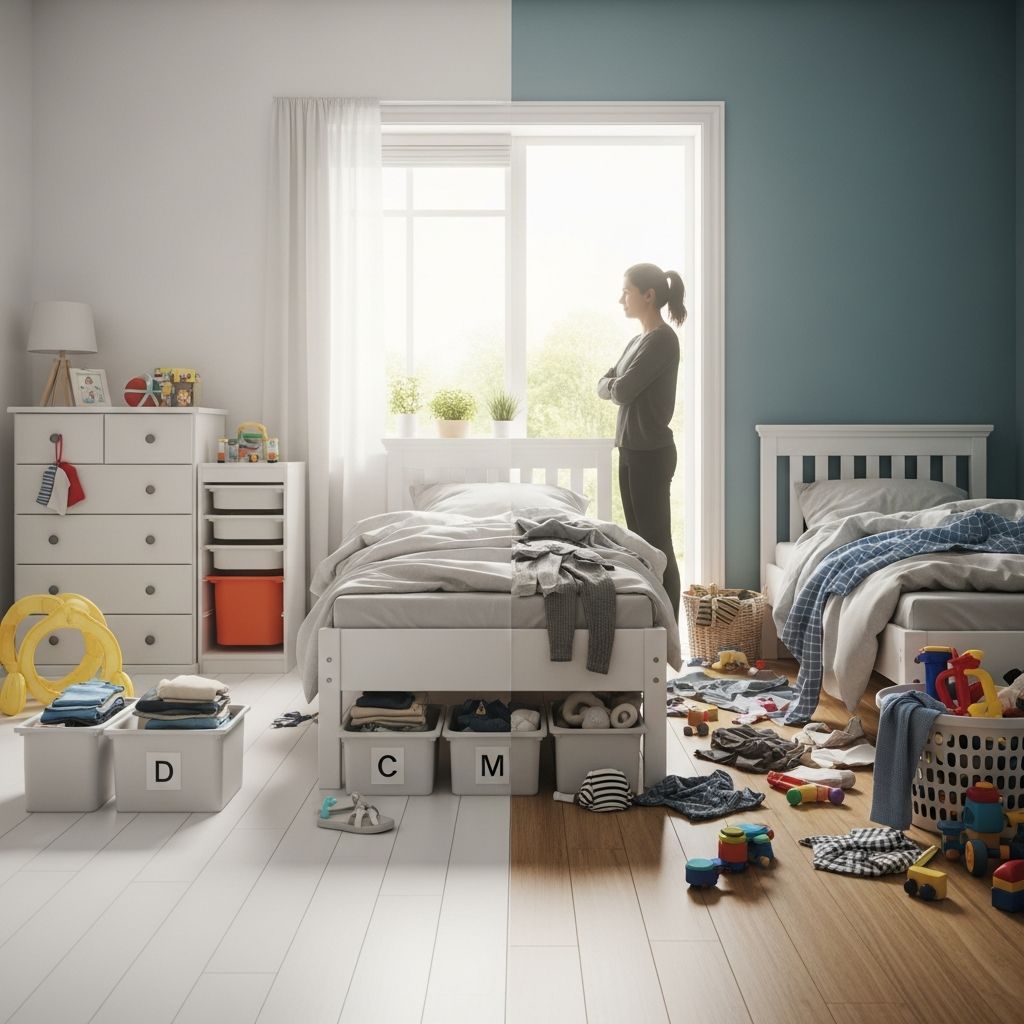
Transitioning the responsibility of maintaining a child’s bedroom from parents to the child themselves is a pivotal step in developing autonomy and accountability. Typically, this shift occurs around elementary school age, when children possess the physical and cognitive skills to handle basic tidying tasks independently. This approach not only alleviates parental burden but also equips kids with essential life skills for future self-reliance.
Understanding Developmental Readiness for Room Maintenance
Children’s ability to manage their personal space evolves with age. By ages 5 to 7, most kids can master fundamentals like making a bed, sorting laundry, and stowing toys, marking the ideal time for parents to step back.Around age seven, if these skills are taught, children can assume full ownership of their room’s upkeep. Younger toddlers might participate in play-based cleanup games, but true independence emerges later.
Executive functioning, which includes planning and organizing, matures gradually. Preschoolers often struggle with initiation, requiring parental guidance to break tasks into steps. As school-age children advance, they gain the capacity for sustained effort, making it feasible to enforce room standards without constant supervision.
- Focus on skill-building: Demonstrate tasks like folding clothes or arranging shelves before expecting solo performance.
- Observe capability: Hand over duties only when kids consistently demonstrate competence in supervised settings.
- Adjust expectations: What constitutes ‘clean’ varies—basic order suffices for young ones, while teens handle deeper cleans like vacuuming.
Practical Techniques to Teach Cleaning Habits
Effective training transforms chores from battles into routines. Begin with ‘hurdle help,’ where parents model the first few steps, then withdraw to let the child continue, building momentum without takeover. For overwhelming messes, divide the room into zones—tackle clothes first, then toys, trash next—preventing paralysis from the big picture.
Incorporate timers for short bursts: A 3-minute morning pickup game encourages quick wins and habit formation. Family-wide cleanups, like weekly 30-60 minute sessions, normalize the activity and foster teamwork. During these, older kids vacuum and change sheets, while younger ones sort items.
| Age Group | Recommended Tasks | Parental Role |
|---|---|---|
| 3-5 years | Pick up toys, simple bed-making | Supervise and gamify |
| 6-9 years | Sort laundry, dust surfaces, organize shelves | Provide checklists, initial guidance |
| 10+ years | Full vacuum, laundry hamper, deep cleans | Enforce deadlines, inspect |
Checklists prove invaluable for visual learners, listing steps like ‘put dirty dishes in kitchen’ or ‘inspect clothes for hamper.’ This scaffolds independence, especially for 11-year-olds transitioning to solo management.
Establishing Clear Rules and Natural Consequences
Ambiguity breeds resistance; define expectations upfront. For school-age kids, tie room cleanliness to privileges—electronics resume only after clothes are picked up. This empowers children: swift compliance restores freedoms immediately.
Deadlines add structure: Rooms must be tidy by Saturday dinner, or face bagged items temporarily stored away, emphasizing respect for shared living spaces. Nonverbal cues, like flipping a breakfast plate until the room is addressed, reinforce routines without nagging. Avoid martyr parenting—cleaning for them undermines authority and motivation.
- Weekly deep cleans for older kids: Return dishes, launder sheets.
- Consequence length child-controlled: Quick action ends restrictions fast.
- Enforce consistently: Repeat bagging for repeat offenses until habits form.
Navigating Common Parental Challenges
Mess triggers parental stress, yet overlooking bedrooms while upholding common area standards teaches context—private spaces allow creativity, public ones demand order. Too many toys exacerbate chaos; rotate selections or donate unused ones to streamline.
For resistant tweens, like 13-year-olds prioritizing screens, firm boundaries matter. State: ‘By Friday, or I bag and discard obstructions,’ reinforcing house rules over coddling. Shared rooms complicate dynamics—mandate floor clearance for safety, accepting minor imperfections as learning opportunities.
Training phases, like two weeks of joint cleans, ensure kids ‘know how’ before solo accountability. Post-training, morning and bedtime pickups maintain progress.
Long-Term Benefits of Room Responsibility
Fostering this habit cultivates discipline, reducing future clutter issues into adulthood. Kids learn prioritization—choosing chores over fun builds resilience against procrastination. Family involvement models mutual respect, strengthening bonds.
Realistic standards prevent burnout: Wrinkled sheets under covers? Acceptable initially. Over time, pride in personal space emerges, with many kids eventually vacuuming unprompted. This progression from guided to independent upkeep prepares them for dorms, jobs, and homes.
Frequently Asked Questions
What age is best to stop cleaning a child’s room entirely?
Around 7, once they can bed-make, sort clothes, and toy-pickup independently—confirm skills first.
How do I motivate a teen with a disastrous room?
Use deadlines and privilege holds; bag items if unmet, repeating as needed to instill respect.
Is a slightly messy room okay for young kids?
Yes, prioritize safety and basics; teach through games and family routines for gradual improvement.
What if my child shares a room and it’s always chaotic?
Enforce floor-clearing for safety; use checklists and natural consequences fairly across ages.
Should I buy fewer toys to help with mess?
Absolutely—rotate or donate extras to reduce overwhelm and teach possession value.
Building a Tidy Future Together
Shifting room duties empowers kids while preserving parental sanity. Consistent, age-tailored strategies yield organized spaces and capable individuals. Patience during training pays dividends in self-sufficient teens and adults.
References
- Reasons to let your child’s bedroom stay messy — Today’s Parent. Accessed 2026. https://www.todaysparent.com/kids/preschool/let-childs-bedroom-stay-messy/
- 4 Tips to Help Get Kids to Clean Their Rooms — Empowering Parents. Accessed 2026. https://www.empoweringparents.com/article/4-tips-to-help-get-kids-to-clean-their-rooms/
- Messy Rooms — Positive Discipline. Accessed 2026. https://www.positivediscipline.com/articles/messy-rooms/
- Stop Telling Your Kids To Clean Their Rooms If … — Creating Mary’s Home. Accessed 2026. https://creatingmaryshome.com/stop-telling-your-child-to-clean-their-room-if/