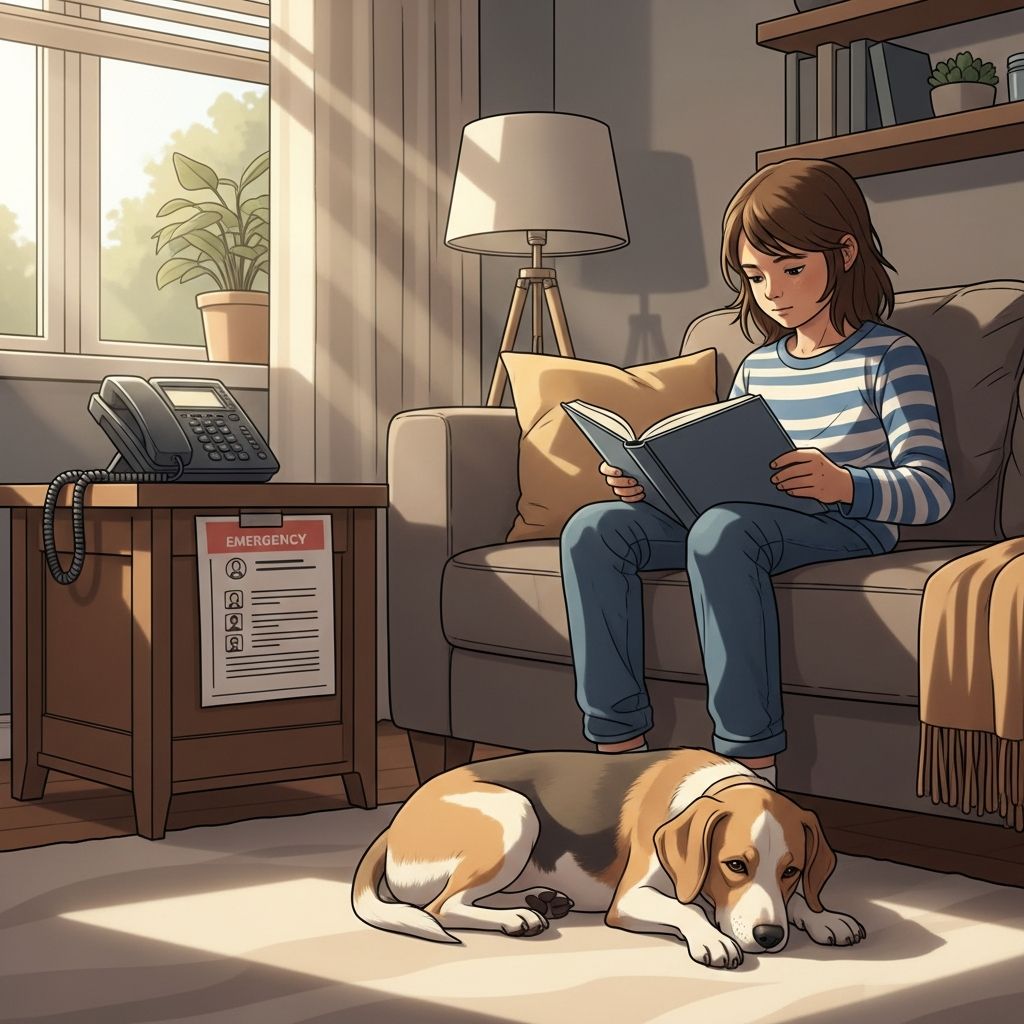
Knowing when to leave a child home alone is a major milestone for both parents and kids, blending questions of maturity, safety, and legal responsibility. Parents must weigh their child’s personality and skills along with practical safety planning to make a thoughtful, informed choice.
Why This Question Matters So Much
Leaving a child home alone is not just about convenience; it is about granting independence in a way that does not compromise safety or emotional well-being. The wrong timing can create fear, anxiety, or real danger, while careful planning can build confidence and responsibility.
Because children mature at different rates, there is no single age that fits every family, so each household needs its own framework for assessing readiness and setting clear, realistic boundaries.
Age Is Only One Piece of the Puzzle
Parents often look for a specific birthday that signals it is time, but age should be treated as a guideline rather than a guarantee of readiness. Two children of the same age may have very different levels of judgment, impulse control, and comfort with being alone.
Instead of focusing only on numbers, it helps to think in terms of stages, recognizing what many children can typically handle at each range while leaving room for individual differences.
| Age Range | Typical Recommendation | Suggested Type of Alone Time |
|---|---|---|
| Under 8 | Generally not ready to be home alone. | Very short moments out of sight in the same house. |
| 8–10 | Possibly ready for brief daytime alone time. | Quick errands (15–30 minutes) if nearby and reachable. |
| 10–12 | Many can handle limited home-alone periods. | After-school time or 1–2 hours with clear rules. |
| 12–14 | Often ready for longer stretches during the day. | Several hours alone, but usually not late-night care. |
| 15+ | Typically capable of extended time with responsibility. | Evening periods and possible sitter role for younger kids. |
These ranges are general and should never replace your own observations of your child’s behavior, emotional state, and consistency in following rules.
Understanding Legal And Community Guidelines
Laws and official guidelines about leaving children alone vary by location, and some areas have no formal statute at all. Where minimum ages exist, they are usually designed to prevent clear neglect but do not automatically mean a child is personally ready.
Even in regions without specific ages written into law, parents are expected to make reasonable, good-faith decisions about supervision, and authorities may intervene if a child is placed in obvious risk.
- Check your state, provincial, or national child-welfare agency website for any age recommendations or legal minimums.
- Ask your local non-emergency police line or family services office for written guidelines, not just word of mouth.
- If you live in military housing, consult installation or base policies, which may have separate rules.
Legal information sets the outer boundary of what is allowed, but wise parenting often means choosing a stricter standard than the minimum required.
Signs Your Child May Be Ready
Readiness is a mix of temperament, skills, and consistent behavior over time, not a single good day or a promise to be responsible. A child should show reliable patterns that reassure you they can handle the small emergencies of daily life without panicking.
Behavioral And Emotional Readiness
- Follows household rules without constant reminders.
- Accepts consequences calmly instead of exploding or shutting down.
- Usually tells the truth, especially when things go wrong.
- Handles frustration without damaging property or hurting others.
- Does not show intense fear about being alone in a familiar space.
Practical Skills Your Child Should Have
- Knows full names, addresses, and at least one parent’s phone number by heart.
- Can unlock and lock doors, and check that windows are secure.
- Understands how to call emergency services and what to say.
- Can use a basic phone (mobile or landline) to call and text reliably.
- Able to prepare simple, no-stove snacks safely.
If your child is strong in some areas but weak in others, focus on training those missing skills before you ever leave them fully alone.
Situational Factors That Change The Decision
The same child might be ready in one setting but not another, because context can raise or lower the level of risk. When weighing the decision, look at the full picture instead of treating every home-alone moment as equal.
Time Of Day And Length Of Absence
- Daytime generally feels safer and easier for children than late at night.
- Short stretches (15–30 minutes) are a better starting point than long blocks of several hours.
- Being gone while your child is awake is different from leaving them home to fall asleep alone.
Neighborhood And Home Environment
- Is the neighborhood generally calm, or are there frequent disturbances?
- Do you know at least one trusted adult nearby who can respond quickly if needed?
- Are there safety concerns in or near your home, such as an unfenced pool or busy road?
All these details shape how complex or risky a home-alone period might become for your child.
Step-By-Step Plan To Build Independence
Instead of jumping from constant supervision to full independence, think of home-alone time as a skill you teach gradually. A staged approach allows you to watch how your child behaves, fix gaps, and build trust on both sides.
Step 1: Practice “Alone Together” At Home
- Spend time in another part of the house and avoid intervening at every small noise.
- Ask your child to entertain themselves for 30–60 minutes while you are nearby but not engaged.
- Afterward, talk about how they felt, what they did, and whether anything made them uneasy.
Step 2: Short, Local Errands
- Start with quick trips to a very close store or neighbor, aiming for 10–20 minutes away.
- Call or text once during the time you are gone to be sure they know how to reach you too.
- Return exactly when you say you will at first, to reinforce a sense of predictability.
Step 3: Gradually Extend Time And Complexity
- Increase the duration in small steps (30 minutes, then 45, then an hour).
- Try different situations, such as after school or evening while it is still light.
- Adjust rules and expectations as your child’s skills improve.
Moving step by step emphasizes coaching instead of testing, so your child feels supported rather than judged.
Essential Safety Rules To Set In Advance
Clear rules reduce guesswork for your child and make it easier to respond calmly when something unexpected happens. Rules should be simple, specific, and repeated often enough that your child can recite them without help.
Core Safety Rules For Kids Staying Home Alone
- Do not open the door to anyone you are not explicitly expecting.
- Do not tell callers or visitors that an adult is not home.
- Keep exterior doors locked at all times.
- Do not use the stove or oven; use only approved appliances.
- No guests, including friends, unless a parent has given specific permission for that visit.
- Stay inside the home or yard unless a parent has approved a specific exception.
Technology And Screen-Time Boundaries
- Agree on which devices they may use while alone (e.g., TV, tablet, computer).
- Prohibit posting on social media about being home without an adult.
- Set time limits so kids do not become so absorbed that they ignore sounds or alarms.
Write your rules down and keep them somewhere visible, turning them into a simple “home-alone agreement” that you and your child review together.
Creating A Family Emergency Plan
A child who knows exactly what to do in urgent situations is more likely to stay calm and take effective action. Planning together can also reduce anxiety, because kids understand that they are not being left to figure everything out on their own.
Information To Post In A Visible Spot
- Emergency numbers (police, fire, ambulance) and clear instructions to call them first in a true emergency.
- Parents’ mobile numbers, work numbers, and backup contacts.
- Home address written out exactly as it should be shared with dispatchers.
Sample Scenarios To Rehearse
- There is smoke or a burning smell: when to leave the house, where to go, and who to call.
- Someone knocks insistently at the door: how to respond without opening it.
- The power goes out: where to find flashlights and what not to do (no candles, no wandering outside).
- Your child feels sick or scared: when to call a parent versus when to dial emergency services.
Role-playing these situations a few times can make real events feel more familiar and less overwhelming if they ever occur.
Special Considerations: Siblings, Anxiety, And Special Needs
Not every child faces the same challenges when staying home alone, and some family dynamics require extra planning. Sibling relationships, emotional struggles, and developmental differences can all affect what is safe and realistic.
Leaving Siblings Together
- A child who can stay home alone is not automatically ready to supervise a younger brother or sister.
- Rather than making one child “the boss,” assign simple roles, such as who answers the phone or who helps with snacks.
- Consider running practice sessions where you are nearby and reachable to see how they handle conflicts.
Children With Anxiety Or Special Needs
- Some children may be functionally capable but intensely fearful, in which case pushing independence too quickly can backfire.
- Others may need visual schedules, social stories, or extra coaching to understand rules and routines.
- When in doubt, talk with your child’s therapist, pediatrician, or support team about safe ways to build independence.
Your ultimate goal is not just physical safety but also emotional security, so it is wise to move at the pace your child can handle.
Frequently Asked Questions
What is the “right” age to leave a child home alone?
There is no universal age that works for everyone, because children develop judgment and emotional resilience at different speeds. Use local guidelines as outer boundaries, then base your decision on maturity, skills, and how your child actually behaves day to day.
Is it safe to leave my 8-year-old alone for 10 minutes?
Some 8-year-olds may handle a very short daytime absence if they are calm, know basic rules, and you remain very close and reachable. However, many families prefer to wait until around age 9 or older before leaving a child in the house without an adult, even briefly.
Should I install cameras or tracking apps?
Technology can offer reassurance, but it should never replace conversations, skill-building, and trust. If you use monitoring tools, be transparent with your child so they understand your goal is safety, not constant surveillance.
What if my child says they feel scared to be home alone?
Feeling nervous is a sign to slow down, not to force independence before they are ready. Work on gradual practice, reassurance, and skill-building, and consider shorter or different types of absences instead of long or late-night ones.
How do I know if it is not going well?
Warning signs include your child hiding problems, showing new sleep issues, clinging behavior, or sudden fear about everyday situations at home. If that happens, scale back time alone, revisit rules and emergency plans, and rebuild confidence gradually.
Helping Your Child Grow Into Independence
When handled thoughtfully, staying home alone can be a powerful step toward personal responsibility and self-reliance. By combining legal awareness, careful observation, step-by-step practice, and clear communication, parents can support their children in growing more capable while still feeling safe and connected.
Ultimately, the best time to leave a child home alone is when both you and your child are prepared, informed, and confident—not just when life becomes busy enough to make it tempting.