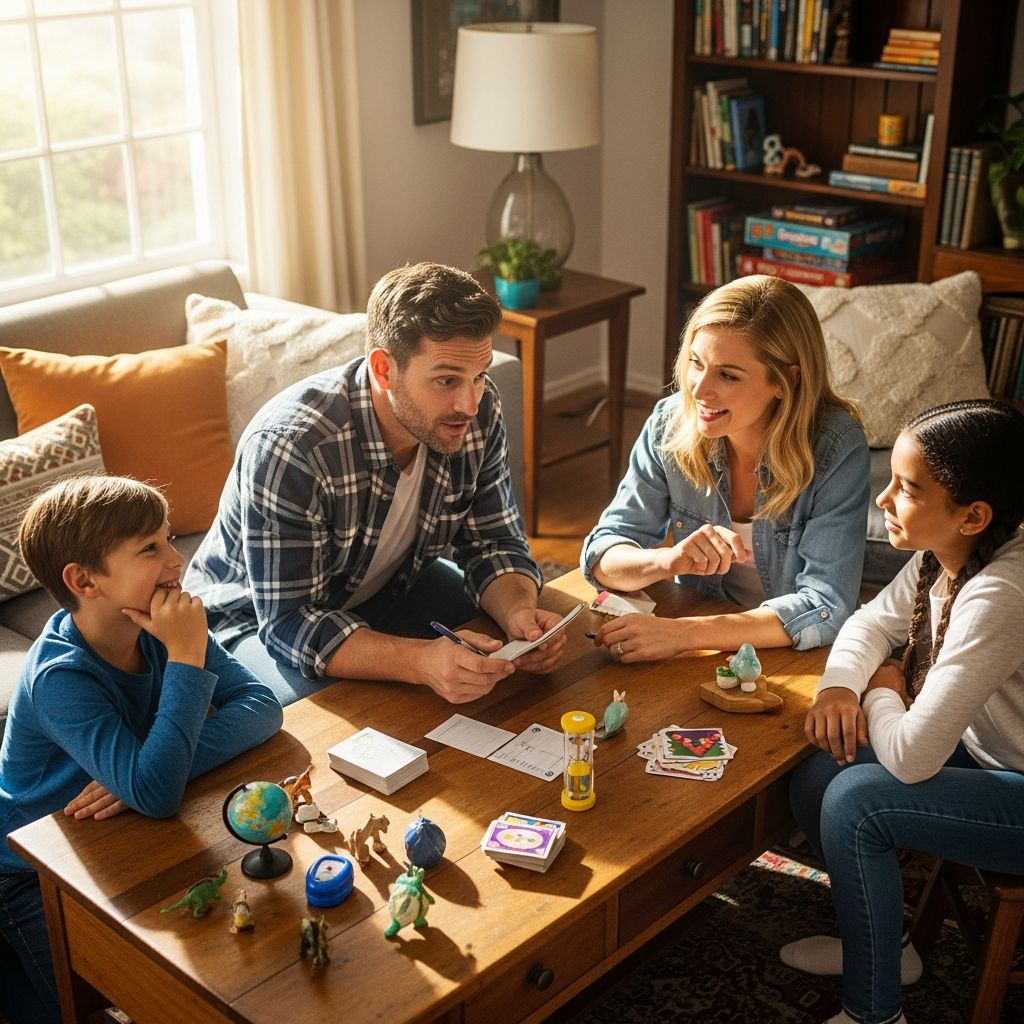
In today’s fast-paced world, many parents expect grandparents to play a central role in child-rearing, offering hands-on help, emotional support, and cherished memories. However, a growing number of families face the reality of distant or uninvolved grandparents, leaving parents to question traditional notions of family support. This shift challenges long-held assumptions about the ‘village’ needed to raise children, prompting parents to adapt and innovate.
Recognizing Patterns of Grandparent Disengagement
Disengagement manifests in various ways, from occasional flakes to complete absence. Some grandparents live nearby but rarely visit, citing fatigue or busyness. Others maintain superficial contact through social media likes or infrequent video calls, avoiding in-person interactions. Parents often share stories of unfulfilled promises, like canceled trips or last-minute babysitting bailouts, which erode trust over time.
This isn’t always intentional neglect. Grandparents may prioritize personal pursuits, such as travel or hobbies, after decades of parenting duties. In one common scenario, retired individuals focus on their own well-being, attending social events while sidelining family obligations. The result? Children miss out on spontaneous playdates, storytelling sessions, and the simple joy of intergenerational bonding.
- Proximity issues: Even short drives feel burdensome, leading to excuses like ‘bad weather’ or ‘feeling under the weather.’
- Digital facades: Public posts proclaim love for grandkids, but private actions show minimal effort.
- Selective involvement: Participation only when convenient, such as holidays, ignoring everyday needs.
Why Are Grandparents Pulling Back Today?
Several societal and personal factors contribute to this trend. Longer working lives mean many grandparents delay retirement into their 70s, juggling careers with family time. Economic pressures force continued employment, reducing availability for childcare or events.
Generational differences in expectations play a role too. Today’s grandparents often raised children during eras of stricter discipline or different norms, clashing with modern parenting styles emphasizing gentle guidance and screen limits. Disagreements over methods—such as spoiling with sweets or excessive gifts—can create rifts, leading to withdrawal.
| Factor | Description | Impact on Involvement |
|---|---|---|
| Later Retirement | Working past 65 common | Limited time for visits or help |
| Health Concerns | Chronic issues or low energy | Physical barriers to engagement |
| Geographic Distance | Families relocate for jobs | Reliance on virtual contact |
| Personal Priorities | Travel, hobbies, relationships | Family ranks lower on agenda |
| Past Parenting Fatigue | Reluctance to repeat roles | Hands-off grandparenting |
Research highlights these shifts; for instance, cultural changes have made some grandparents view their role as advisory rather than active. Distance exacerbates issues, though technology like FaceTime helps in some families, particularly those with strong cultural ties to extended involvement.
The Hidden Emotional Toll on Parents and Children
For parents, the absence stings deeply, evoking resentment and exhaustion. Without reliable backups, date nights vanish, marital tensions rise, and burnout intensifies. One parent described crying alone after milestones passed without grandparent acknowledgment, highlighting profound grief over lost family unity.
Children sense the void too. They yearn for genuine connections—not iPads or gifts—but stories, hugs, and undivided attention. Inconsistent presence breeds confusion and disappointment, potentially affecting emotional security. Studies affirm grandparents’ role in providing stability, buffering parental stress, and fostering resilience in kids.
Long-term, this can strain family ties. Parents may limit contact to shield children from rejection, perpetuating cycles of disconnection. Yet, some find silver linings: tighter nuclear family bonds and self-reliance.
Communication Strategies to Bridge the Gap
Open, non-accusatory dialogue is key. Express needs clearly: ‘We’d love your help with school pickups twice a week’ rather than vague hints. Set realistic expectations, acknowledging their limitations while inviting small commitments like monthly park meetups.
Frame requests around mutual joy: ‘The kids light up sharing drawings with you.’ If resistance persists, explore underlying reasons—perhaps unresolved parent-child issues or health hurdles—through family counseling.
- Schedule a calm, private talk avoiding blame.
- Listen actively to their perspective.
- Propose specific, low-pressure ways to connect.
- Follow up with gratitude for efforts made.
Reimagining Your Support Network
When biological grandparents disengage, build a chosen village. Neighbors, friends, colleagues, or community groups can fill gaps—think playdate swaps, carpools, or volunteer mentors. Online parenting forums offer virtual solidarity and tips.
Embrace ‘bonus grandparents’: childless couples or elders eager for family time. Local senior centers or churches often host intergenerational programs matching kids with role models.
Foster resilience in children by normalizing diverse family structures. Teach them to cherish available relationships, creating traditions like annual friend-family campouts.
Practical Tips for Minimal-Contact Scenarios
Maintain civility for kids’ sake. Send milestone updates without expectation, preserving potential future bonds. If toxicity arises, boundaries protect everyone—polite distance over forced proximity.
- Curate photo albums for occasional sharing.
- Encourage child-initiated calls with prompts.
- Model forgiveness, explaining adult choices simply.
For grandparents reading this: Small gestures count. A weekly call, holiday craft kit, or consistent event attendance builds lasting impact without overwhelming commitment.
Frequently Asked Questions
How do I cope with resentment toward uninvolved grandparents?
Process emotions through journaling or therapy, then focus on controllable actions like building alternative supports. Resentment fades as you redefine family on your terms.
Is it okay to seek ‘adoptive’ grandparents?
Absolutely—many elders crave connection. Community programs facilitate safe, enriching matches benefiting both generations.
What if grandparents criticize my parenting?
Set firm boundaries: ‘We appreciate advice, but decisions are ours.’ Consistent enforcement preserves peace.
Does distance always doom grandparent bonds?
No—dedicated families overcome it via travel, tech, and intentional planning, prioritizing quality over quantity.
Should I stop inviting them if they keep canceling?
Reduce invitations gradually, shifting energy to reliable relationships. Protect children’s hearts from repeated letdowns.
Looking Ahead: Evolving Family Roles
As demographics shift—longer lifespans, smaller families, mobility—grandparenting evolves. Parents must lead by communicating needs and innovating supports. Children benefit most from authentic love, regardless of source. By addressing disengagement head-on, families emerge stronger, adaptive, and connected in meaningful ways.
(Word count: 1678)
References
- Grandparents’ Importance to Grandchildren — The Texas Attorneys. 2023-05-15. https://www.thetxattorneys.com/blog/grandparents-are-important-to-grandchildren-and-the-roles-they-play
- Coping with the Uninvolved Grandparent — Fort Worth Moms. 2022-08-22. https://fwmoms.com/parenting/coping-uninvolved-grandparent/
- The Disinterested Grandparent: Redefining Your Village — Alamo City Moms. 2023-11-10. https://alamocitymoms.com/motherhood-parenting/the-disinterested-grandparent-redefining-your-village/