One of the most common questions new parents ask is when their baby can begin drinking water. While water seems like a simple, essential beverage for maintaining hydration, the answer for infants is far more nuanced than it might appear. Unlike older children and adults, babies have unique physiological needs that make early water introduction potentially dangerous. Understanding the science behind infant hydration requirements and the proper timeline for introducing water is crucial for every parent and caregiver.
The Critical First Six Months: Why Water Is Not Recommended
During the initial half-year of life, your baby’s nutritional and hydration needs are completely met through breast milk or infant formula. Breast milk contains approximately 87% water, while formula contains about 85% water, providing all the fluid necessary for healthy development. Adding extra water during this period is not only unnecessary but potentially harmful.
The fundamental danger of introducing water to infants under six months stems from their underdeveloped kidneys and the vulnerability of their electrolyte balance. A newborn’s kidneys are still maturing and cannot efficiently process excess fluid. When infants consume water beyond what breast milk or formula provides, the water dilutes the concentration of sodium in their bloodstream, creating a serious condition known as hyponatremia or water intoxication.
Water intoxication occurs when sodium levels in the blood drop to dangerous levels, disrupting normal cellular function and brain activity. This condition can progress rapidly and lead to:
- Behavioral changes including confusion and drowsiness
- Muscular symptoms such as cramps, twitching, and weakness
- Gastrointestinal distress including nausea and vomiting
- Respiratory difficulties
- Seizures
- Brain damage
- Coma
- In severe cases, death
Even seemingly small amounts of water can trigger these symptoms in vulnerable infants. Because their bodies cannot regulate fluid balance the way older children and adults can, even a few ounces of plain water given as a supplement can prove dangerous.
Formula Preparation: A Critical Safety Consideration
While babies should not receive plain water, water becomes essential when preparing infant formula. However, the method and timing of water use during formula preparation demands careful attention to safety protocols.
For infants under four months of age, all water used in formula preparation should be sterilized by bringing it to a rolling boil for at least two minutes. This sterilization process applies to all water sources, including tap water, well water, and commercially bottled water. Sterilization eliminates harmful pathogens that could cause serious infections in young infants whose immune systems are still developing.
After boiling, water should be cooled completely before mixing with formula powder. Using hot water to mix formula risks severe burns to your baby’s mouth and digestive system. Once boiled water has cooled, it should be refrigerated and discarded if not used within 24 hours.
A critical mistake some parents make is diluting formula with extra water to stretch their supply or reduce costs. Adding excessive water to powdered formula reduces the concentration of essential nutrients and creates the same electrolyte imbalance as giving plain water. Ready-to-feed liquid formula should never have water added to it, as it is already formulated with the precise water content needed for proper nutrition and hydration.
The Six to Twelve Month Transition: Introduction and Moderation
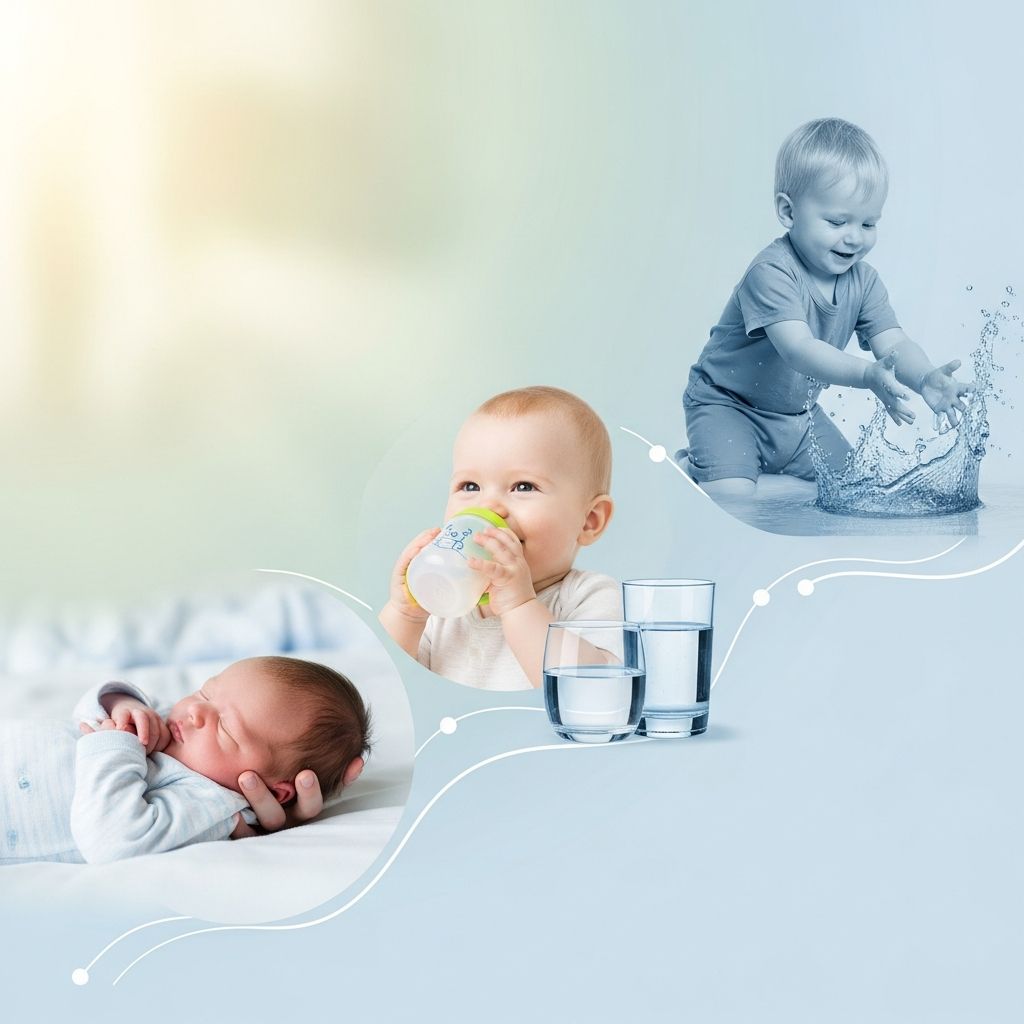
Once your baby reaches six months of age, you can begin introducing small amounts of plain water as they start eating solid foods. However, breast milk or formula should continue as the primary beverages throughout the first year of life, as they provide superior nutrition and hydration.
When introducing water at six months, start with very small portions: 2 to 3 ounces at a time, offered after your baby has satisfied their hunger with breast milk or formula. Offer water in an open cup, sippy cup, or strawed cup to develop healthy drinking skills and encourage independence during meals.
The daily water consumption for babies between six and twelve months should remain limited. Guidelines recommend 4 to 8 ounces (0.5 to 1 cup) of water daily for this age group. Exceeding these amounts can still pose risks of water intoxication, even as kidneys mature. There is no specific recommended amount of water for six to twelve-month-old infants, but amounts should be carefully limited to prevent electrolyte imbalances.
Water Quality and Safety Considerations
Beyond timing and quantity, the quality of water offered to your baby matters significantly. Infants consume more water proportionally to their body size than older children and adults, and their developing organs are far more vulnerable to contamination.
Several types of water can be used safely for babies, each with specific applications:
| Water Type | Best Use | Considerations |
|---|---|---|
| Boiled Tap Water | Formula preparation for infants under 4 months | Kills bacteria but does not remove chemical contaminants; must cool completely before use |
| Distilled Water | Formula preparation or direct consumption | Completely purified, free of minerals and contaminants; safe option for all ages |
| Purified Water | Formula preparation or direct consumption | Reverse osmosis or deionized; effective at removing contaminants |
| Tap Water (Tested) | Formula preparation after 4 months; direct consumption after 6 months | Most U.S. tap water is safe but may contain fluoride or trace lead; testing recommended, especially in areas with known water quality concerns |
| Bottled Water | Formula preparation or direct consumption | Generally safe; choose BPA and phthalate-free bottles; some commercial bottled water is simply filtered tap water |
If you use a private well, water testing is especially important before using it for formula preparation or offering it directly to your baby. Well water may contain contaminants that are invisible but potentially harmful to developing infants. Contact your local health department to arrange professional water testing.
Municipal tap water in most areas of the United States is safe for formula preparation and direct consumption, though some regions may have specific concerns regarding lead contamination or other contaminants. If you have concerns about your water quality, testing is a simple and important step.
Recognizing Water Intoxication Symptoms
All caregivers should be aware of the warning signs that indicate water intoxication, as recognizing these symptoms early can be lifesaving. The condition can develop relatively quickly, and prompt medical attention is essential.
Symptoms of water intoxication in infants include:
- Unusual irritability or fussiness
- Lethargy or excessive drowsiness
- Loss of appetite
- Swelling of soft spots on the head
- Muscle weakness or lack of muscle tone
- Difficulty breathing
- Seizures or convulsions
- Body temperature dropping below normal
If you observe any of these symptoms in your baby, especially if they have been given water or if there is any possibility of water intoxication, seek immediate medical attention. Do not wait to see if symptoms resolve on their own.
Special Circumstances: When Medical Guidance Is Essential
While the guidelines presented here apply to healthy, full-term infants, certain circumstances require individualized medical advice from your pediatrician. Do not introduce water or alter hydration practices without consulting your healthcare provider if your baby:
- Was born prematurely
- Has any underlying health conditions or developmental concerns
- Is taking medications that affect fluid balance
- Has experienced diarrhea or other gastrointestinal issues
- Lives in an extremely hot climate and you are concerned about dehydration
- Has a family history of kidney or metabolic disorders
Your pediatrician can provide personalized recommendations based on your baby’s individual health profile and development.
Common Mistakes to Avoid
Understanding what not to do is just as important as knowing what to do when it comes to infant hydration:
- Never add water to formula to make it last longer or reduce costs, as this dilutes essential nutrients and creates electrolyte imbalances
- Do not offer plain water before six months under any circumstances, including during hot weather
- Avoid infant swimming lessons that involve repeated dunking, as infants can gulp water and experience water intoxication at poolside
- Never use hot water to mix formula, as this causes burns and can destroy heat-sensitive nutrients
- Do not exceed recommended daily water amounts for babies between six and twelve months
- Avoid ready-to-feed formula that has been diluted with additional water
Transitioning Beyond Infancy
As your child approaches their first birthday and moves into toddlerhood, water gradually becomes a more important part of their daily fluid intake. After twelve months, you can begin slowly transitioning your toddler toward water as a primary beverage while continuing to offer breast milk or formula as desired. The goal is a gradual shift that allows their kidneys and electrolyte balance systems to fully mature and adapt.
For children over one year old, a simple guideline is that they should drink approximately one 8-ounce cup of water for each year of age, with a minimum of 64 ounces daily. This accounts for water intake from food sources and other beverages as well.
Frequently Asked Questions
Can I give my three-month-old water on a hot day?
No. Breast milk or formula provides all necessary hydration even in hot weather. Offering water on hot days is particularly dangerous because dehydration concerns might prompt excessive water consumption. If you are concerned about your baby’s hydration in heat, contact your pediatrician rather than introducing water.
Is there a difference between filtered and unfiltered tap water for formula?
For infants under four months, all tap water should be boiled regardless of filtering, as boiling eliminates pathogens that filters might not remove. After four months, properly filtered tap water that has been tested may be used, though boiling is still recommended in some cases. Your pediatrician or local health department can advise based on your specific water quality.
What should I do if my baby accidentally drank some water?
A small accidental sip is unlikely to cause harm. However, if you believe your baby consumed a significant amount of water or if you notice any unusual symptoms such as lethargy, seizures, or behavior changes, contact your pediatrician or poison control immediately. It is better to err on the side of caution.
Can I use bottled water exclusively for formula preparation?
Yes, bottled water that is clean and free of contaminants is safe for formula preparation. Choose bottled water that comes in BPA and phthalate-free containers. However, ensure you are purchasing actual purified or distilled bottled water rather than simply filtered tap water, and check labels carefully.
Why do some parents dilute formula, and what should they do instead?
Some parents dilute formula due to cost concerns, but this practice is dangerous and unnecessary. If formula is financially difficult to afford, explore assistance programs through WIC (Women, Infants, and Children), community health centers, or food banks. Never compromise your baby’s nutrition by diluting formula.
At what age can babies drink from a regular cup instead of a bottle?
Starting around six months when water introduction begins, babies can practice drinking from open cups, sippy cups, or strawed cups during meals. This skill development continues gradually through the first year. Transition to regular cups can progress throughout toddlerhood, though spills and accidents are normal.
References
- Water Intoxication in Infants — St. Louis Children’s Hospital. 2024. https://www.stlouischildrens.org/health-resources/pulse/water-intoxication-infants
- Baby Water: The Complete, Science-Backed Guide for Parents — Frizzlife. 2025. https://www.frizzlife.com/blogs/guide/baby-water-the-complete-science-backed-guide-for-parents
- Nutrition Guideline: Healthy Infants and Young Children Water — Alberta Health Services. 2024. https://www.albertahealthservices.ca/assets/info/nutrition/if-nfs-ng-healthy-infants-other-milks-fluid-water.pdf
- What You Need to Know About Water for Infants — WebMD. 2025. https://www.webmd.com/parenting/baby/what-you-need-to-know-water-infants
- How Much Water Should Kids Drink? — CHOC Children’s. 2024. https://choc.org/urology/water-intake-for-children/
- Why Can’t Babies Have Water? — Cleveland Clinic Health Essentials. 2025. https://health.clevelandclinic.org/when-can-babies-have-water
- Safe Drinking Water For Your Baby — Minnesota Department of Health. 2024. https://www.health.state.mn.us/communities/environment/water/wells/waterquality/safebaby.html
- Private Wells and Drinking Water Safety and Infants — U.S. Environmental Protection Agency. 2024. https://www.epa.gov/children/private-wells-and-drinking-water-safety-and-infants
- Recommended Drinks for Children Age 5 & Younger — American Academy of Pediatrics HealthyChildren.org. 2025. https://www.healthychildren.org/English/healthy-living/nutrition/Pages/recommended-drinks-for-young-children-ages-0-5.aspx