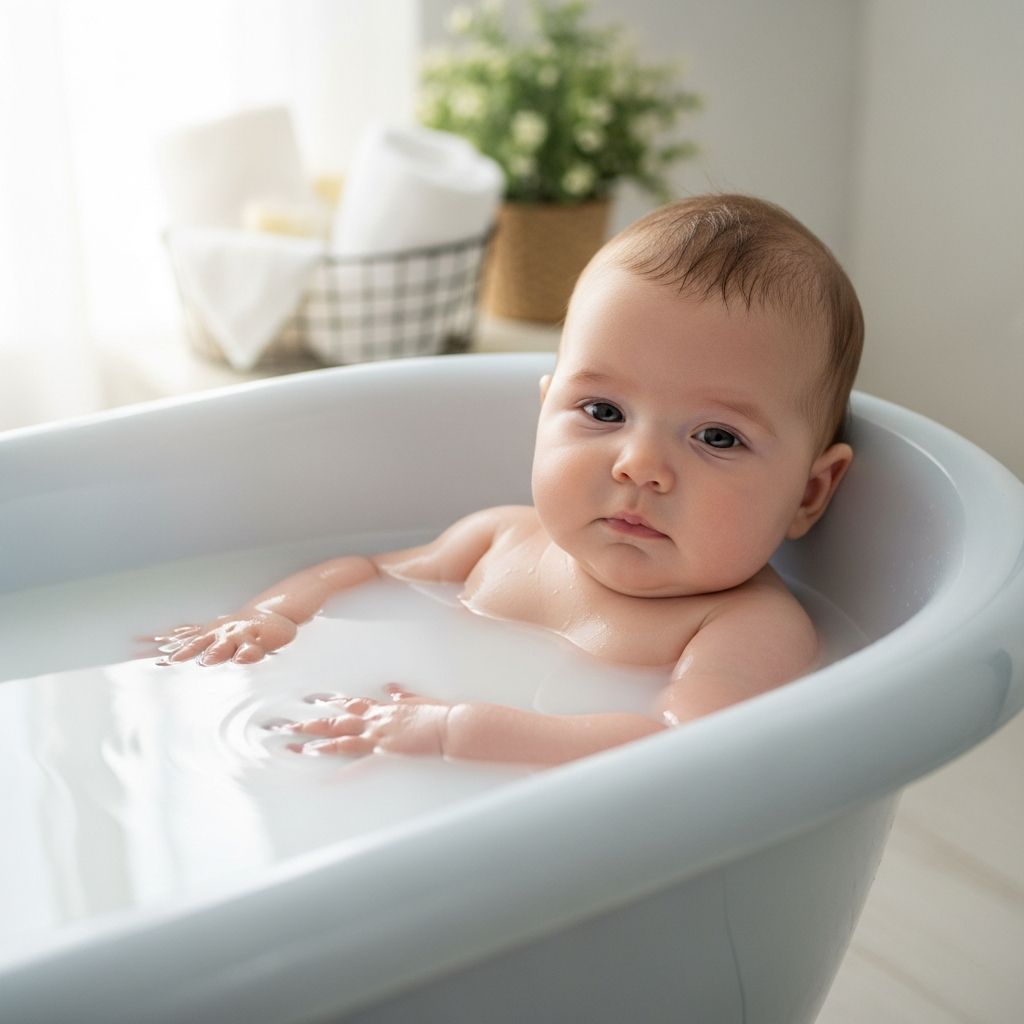
Parenthood brings countless decisions about your baby’s care, and choosing natural, gentle options for skin health is a priority for many families. One increasingly popular practice is incorporating breast milk into your baby’s bathwater—a simple yet effective approach that harnesses the healing properties of nature’s most complete infant nutrition. Unlike commercial bath products laden with chemicals and additives, breast milk baths offer a chemical-free alternative that supports skin hydration, soothes irritation, and promotes overall wellness. This guide explores what these baths entail, the science behind their benefits, and practical steps for safely implementing this tradition in your family’s routine.
What Constitutes a Breast Milk Bath?
A breast milk bath is fundamentally straightforward in its concept and execution. The practice involves adding a measured quantity of expressed breast milk to your baby’s regular bathwater, creating a diluted, nutrient-infused soak. Rather than replacing standard bathing practices entirely, milk baths function as a supplementary skincare treatment that you might incorporate weekly or as needed based on your baby’s skin condition.
The preparation requires minimal effort and resources. Most sources recommend introducing between five and ten ounces of breast milk into a standard infant bathtub filled with lukewarm water. The water should take on a milky appearance, indicating adequate concentration of milk properties. Your baby should remain in this gentle bath for approximately ten to fifteen minutes, though shorter durations still provide benefit. The beauty of this approach lies in its accessibility—if you’re breastfeeding, you already possess all necessary materials, and the cost is effectively nothing beyond your regular milk production.
The Nutritional and Biochemical Composition Supporting Skin Health
Understanding why breast milk baths work requires examining the complex biochemical profile of breast milk itself. Human breast milk is far more than simple nutrition for ingestion; it represents a sophisticated delivery system of protective compounds, antimicrobial agents, and nourishing elements.
The fatty acid profile of breast milk deserves particular attention. Palmitic acid functions as a natural emollient and moisturizer, preventing transepidermal water loss and maintaining skin hydration. Oleic acid facilitates moisture absorption into deeper skin layers while simultaneously supporting the skin’s natural healing mechanisms. Linoleic acid plays a crucial role in preserving the skin barrier’s integrity, reducing inflammation, and combating various forms of irritation. These lipids work synergistically to create a protective layer on your baby’s delicate epidermis.
Beyond fatty acids, breast milk contains proteins, enzymes, live immune cells, and antimicrobial compounds including lysozyme and lactoferrin. The lactic acid naturally present in breast milk gently exfoliates while maintaining a balanced skin pH. This multifaceted composition makes breast milk a truly holistic skincare agent—one that nourishes, protects, and heals simultaneously.
Addressing Common Infant Skin Conditions
Newborn and infant skin frequently encounters challenges that cause parental concern. Breast milk baths have shown promise in addressing several prevalent conditions:
Diaper Rash Management
Diaper dermatitis represents one of the most common skin complaints during infancy, causing visible redness, inflammation, and obvious discomfort. The antibacterial and anti-inflammatory properties present in breast milk work to reduce bacterial overgrowth and calm inflammatory responses. Regular breast milk baths may accelerate healing by promoting a healthier skin microenvironment while maintaining moisture balance in the affected area.
Eczema Relief and Long-Term Management
Infantile eczema creates persistent itching, flaking, and compromised skin barrier function. The antimicrobial and anti-inflammatory compounds in breast milk provide relief when used consistently. Unlike harsh chemical treatments, breast milk offers a gentle yet effective approach that addresses the underlying inflammation while supporting the skin barrier’s restoration. Parents report noticeable improvements in symptoms when breast milk baths become part of their regular skincare routine.
Cradle Cap Treatment
This common condition, characterized by yellowish, scaly patches on the scalp, responds well to breast milk’s natural oil composition. During a milk bath, gently splashing the milky water over your baby’s head allows the natural oils to soften and loosen the flakes associated with cradle cap. Over time and with repeated applications, many parents observe significant improvement in this stubborn condition.
General Dryness and Sensitivity
Beyond specific conditions, many newborns simply experience dry, reactive skin requiring consistent hydration and protection. The natural fats and proteins in breast milk create an ideal moisturizing medium. Babies with inherently sensitive skin or those transitioning through developmental changes benefit from regular milk baths that provide deep hydration without irritating additives.
Beyond Skin Health: Additional Wellness Benefits
While skin conditions represent the primary rationale for milk baths, parents report broader wellness advantages that extend beyond dermatological concerns.
Immune System Support Through Topical Application
Breast milk’s well-documented immune-boosting properties primarily manifest through ingestion, but emerging observations suggest topical exposure may offer supplementary benefits. The antibodies and immune-modulating compounds in breast milk, when applied to the skin, may contribute to localized immune support and protection against environmental pathogens.
Soothing and Relaxation During Bath Time
The warm water combined with breast milk’s naturally calming properties creates an inherently soothing experience. Parents consistently report that milk baths help their babies relax, which can ease discomfort from various sources including mild congestion, gassiness, or general fussiness. This calming effect makes bath time an opportunity not just for cleansing but for genuine comfort and relief.
Umbilical Cord Area Healing
During the critical early days when the umbilical cord stump requires careful attention, breast milk has demonstrated efficacy in supporting the healing process. The antimicrobial properties help prevent infection while promoting tissue healing, making milk baths particularly valuable during this sensitive period.
Step-by-Step Preparation and Application Guidelines
Implementing breast milk baths successfully requires understanding proper preparation and technique:
- Express and Store: Express your breast milk into a clean container. Fresh milk works optimally, though previously frozen and thawed milk remains effective.
- Fill the Tub: Draw lukewarm (not hot) water into your baby’s bathing vessel—typically a small infant tub or basin.
- Add Breast Milk: Pour five to ten ounces of breast milk into the water, adjusting based on your tub’s size. The water should appear noticeably cloudy.
- Immerse Gently: Slowly lower your baby into the milky water, maintaining close contact and reassurance throughout.
- Duration: Allow your baby to soak for ten to fifteen minutes, though any duration provides benefit.
- Gentle Massage: Softly massage the milky water into your baby’s skin to maximize absorption and comfort.
- Pat Dry: Remove your baby carefully and pat skin dry with a soft towel, maintaining gentle contact.
Safety Considerations and Medical Consultation
While breast milk baths represent a natural, low-risk approach to infant skincare, certain precautions merit attention. Newborns during their first few days of life sometimes require modified bathing protocols per medical guidance, making consultation with your pediatrician advisable before beginning milk baths. This is particularly important if your baby has open wounds, infections, or specific medical conditions affecting skin integrity.
Always use clean equipment and freshly expressed or properly stored milk. Maintain water temperature within safe ranges—lukewarm, not hot. Discontinue milk baths if your baby develops any adverse skin reactions or shows signs of infection, and contact your healthcare provider promptly.
Frequency and Integration Into Your Routine
The optimal frequency for breast milk baths depends on your baby’s specific needs and skin conditions. For general skin health maintenance, many parents find weekly baths sufficient. If addressing specific conditions like eczema or diaper rash, more frequent applications—even several times weekly—may yield better results. Observe your baby’s skin response and adjust frequency accordingly. There is no standard prescription; rather, this practice should adapt to your individual baby’s requirements.
Cost-Effectiveness and Environmental Considerations
One significant advantage of breast milk baths extends beyond health benefits to practical economics. If you’re breastfeeding, the milk used for baths comes from your natural production, representing zero additional cost. This affordability makes the practice accessible regardless of family income. Additionally, avoiding commercial bath products reduces chemical exposure and unnecessary packaging waste, supporting both your baby’s health and environmental sustainability.
Frequently Asked Questions
Can I use breast milk from the freezer, or does it need to be fresh?
Both fresh and previously frozen breast milk work effectively. If using frozen milk, thaw it completely and ensure it remains at a safe temperature before adding to bathwater.
At what age can I start giving breast milk baths?
While potentially suitable from birth, consult your pediatrician first. Some newborns benefit from waiting a few days before beginning baths, depending on individual circumstances.
Does breast milk bath require special additives or essential oils?
No. Pure breast milk and lukewarm water constitute the complete recipe. Adding other products may introduce unnecessary chemicals and potentially irritate sensitive infant skin.
How will I know if the milk bath is working for my baby?
Monitor your baby’s skin for improvements in redness, dryness, or irritation over successive baths. Some improvements appear quickly; others require consistent application over weeks.
Can fathers or caregivers give breast milk baths, or does the mother need to do it?
Any caregiver can prepare and administer breast milk baths using expressed milk. The practice requires no special expertise, only careful preparation and attentive supervision.
References
- Milk Baths: The Benefits and How-To’s for Using Breastmilk in Your Baby’s Bath — Adeandayo. Accessed January 2026. https://adeandayo.com/blogs/journal/milk-baths-the-benefits-and-how-tos-for-using-breastmilk-in-your-babys-bath
- Benefits of Breastmilk Bath: Soothing Relief for Baby’s Skin — Dr. Talbot’s. Accessed January 2026. https://drtalbots.com/blogs/dr-talbots-mom-blog/benefits-of-breastmilk-bath-soothing-relief-for-baby-s-skin
- Benefits of a Breast Milk Bath for Your Baby’s Skin Health — Momcozy. Accessed January 2026. https://momcozy.com/blogs/babycare/breast-milk-bath-benefits
- Healing and Hydrating: Why Your Baby Needs a Breast Milk Bath — Milk by Mom. Accessed January 2026. https://milkbymom.com/blogs/articles/healing-and-hydrating-why-your-baby-needs-a-breast-milk-bath
- Everything you need to know about breastmilk baths — Perifit. Accessed January 2026. https://perifit.co/blogs/breastfeeding/breastmilk-bath
- Milk Baths for Baby: Definition, Benefits, and How-To — Healthline. Accessed January 2026. https://www.healthline.com/health/baby/milk-bath-baby