Understanding Utensil Readiness in Early Childhood Development
As your baby grows and develops, feeding transitions represent significant milestones in their journey toward independence. One of the most important transitions occurs when children move from relying entirely on parental hand-feeding to managing their own meals with utensils. This shift involves complex coordination between motor skills, cognitive understanding, and behavioral readiness. Understanding when your child demonstrates genuine readiness for this transition helps create a smoother feeding experience and supports their emerging independence. Rather than following rigid age guidelines, observing your individual child’s developmental indicators provides more accurate guidance for introducing utensils appropriately.
The Importance of Hand Coordination and Grasping Abilities
Before children can effectively manipulate spoons or forks, they must first develop adequate hand strength and coordination. One of the earliest indicators of utensil readiness involves your child’s ability to grasp and hold objects with intentional control. Babies typically begin demonstrating palmar grasp—holding objects in their whole hand—around six months of age. This foundational skill represents the beginning of their journey toward more refined hand control.
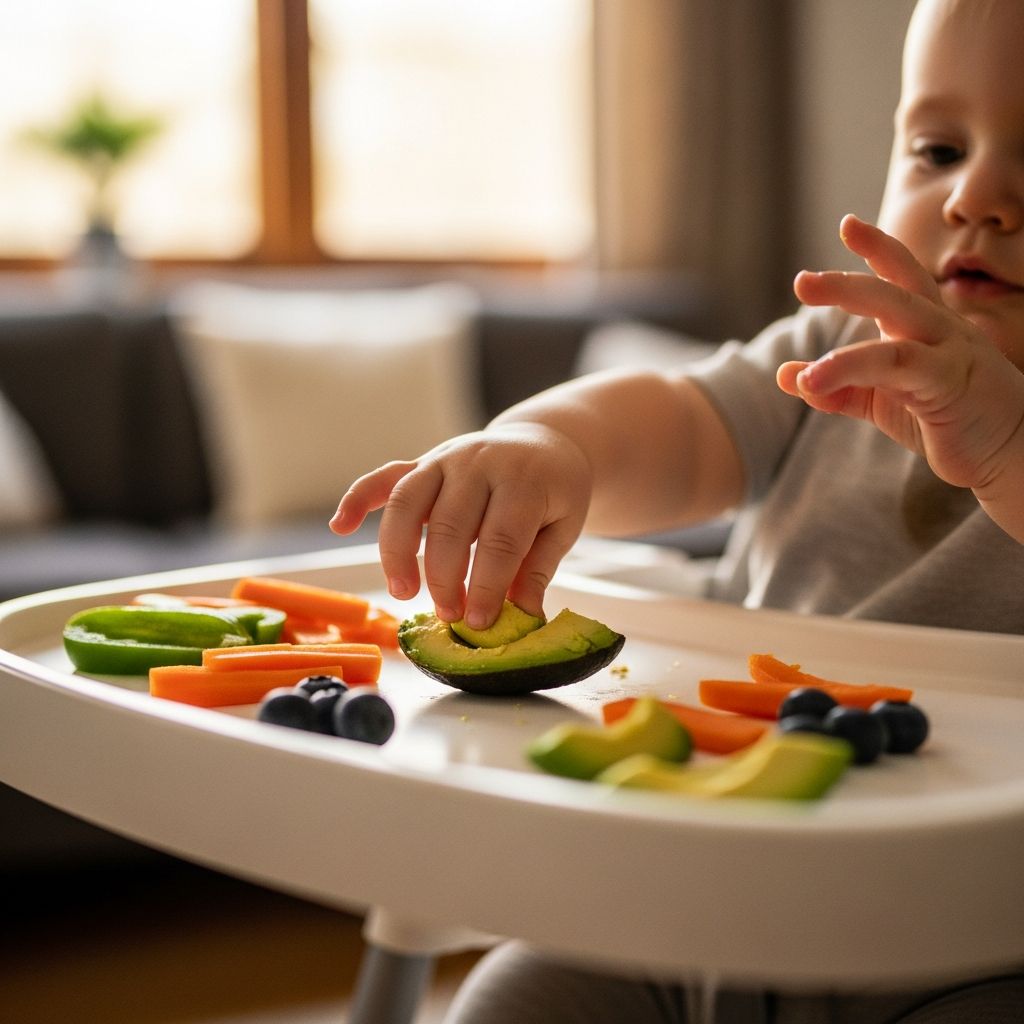
As development progresses, children begin transitioning from whole-hand grasping toward pincer grasp, where they use their thumb and index finger to manipulate smaller items. This refined grasping ability typically emerges around 9 to 10 months and indicates growing hand dexterity. When your child demonstrates comfortable control over small objects and can bring them purposefully to their mouth, this signals that their hands possess sufficient coordination for attempting basic utensil use. Children who struggle with holding objects or frequently drop items they’re attempting to control may need additional development time before introducing utensils becomes practical.
Demonstrating Interest in Eating Processes and Imitation
Behavioral interest represents a powerful indicator of readiness for utensil introduction. Children who watch caregivers or siblings eating with utensils and show curiosity about the process demonstrate emerging understanding of feeding methods beyond hand-feeding. This observational learning and desire to imitate adult behaviors reflects cognitive development that supports utensil use.
When children attempt to reach for utensils being used during feeding times, grab at your hand as you bring spoon to mouth, or show fascination with how adults manipulate eating tools, these behaviors indicate growing interest in utensil functionality. Some children may even attempt to take utensils from caregivers’ hands, signaling their intrigue with these tools. This natural curiosity provides an excellent foundation for introducing appropriate practice opportunities. Children demonstrating such interest typically progress more quickly with utensil use because they possess internal motivation to learn the skill.
Developing Ability to Sit Independently Without Support
Successful utensil use requires adequate trunk stability and postural control. Children must maintain upright positioning while simultaneously managing hand-to-mouth coordination, which demands significant physical control. Babies who cannot sit independently typically lack the postural foundation necessary for managing the complex motor patterns involved in self-feeding with utensils.
When your child demonstrates the ability to sit upright without leaning heavily on furniture, caregivers, or high chair supports, they’ve achieved an important physical milestone. This independent sitting position frees their hands for utensil manipulation while maintaining sufficient stability for coordinated movement. Children still requiring significant back support or frequently toppling sideways lack the postural control that makes utensil use practical. Around 9 to 10 months, most babies develop stable independent sitting, though individual variation remains considerable. Ensuring adequate postural support through appropriate seating remains important even after children achieve independent sitting ability.
Managing Purposeful Release and Controlled Dropping Behaviors
Interestingly, the ability to let go of objects represents an important developmental milestone for utensil readiness. Young infants grasp and hold objects reflexively, eventually developing voluntary control over this process. Between 9 and 10 months, children begin demonstrating “purposeful release”—intentionally letting go of objects rather than simply losing grip control. This seemingly simple skill actually indicates important neurological development involving deliberate muscle control and planning.
Children who can purposefully drop and release objects demonstrate the motor control necessary for setting utensils down, placing food onto utensils intentionally, and managing the complex hand movements involved in eating. Early attempts at utensil use involve considerable dropping and throwing behavior, which represents normal developmental exploration rather than failure. When children begin dropping utensils in somewhat controlled locations rather than completely randomly, they show emerging understanding of intentional movement. This developmental stage typically precedes independent utensil use by several months, making purposeful release an important marker of progressing motor development.
Showing Desire for Self-Directed Eating and Independence
Motivation and desire for autonomy significantly influence how quickly children adopt utensil use. Some children demonstrate clear preferences for managing their own feeding rather than accepting parental assistance. This emerging independence—wanting to do things themselves rather than passively receiving care—indicates cognitive development that supports self-feeding with utensils.
Children displaying frustration when caregivers feed them, wanting to hold their own food, or insisting on self-directed eating demonstrate psychological readiness for more independent feeding methods. This natural drive toward independence often emerges between 12 and 18 months, though individual children show considerable variation. Supporting this emerging autonomy by offering appropriate opportunities and tools generally leads to faster skill development and more positive feeding experiences. Children forced to use utensils before demonstrating genuine motivation may develop aversion rather than confidence, whereas children supported in their natural independence drive typically become enthusiastic self-feeders.
Ability to Move Hands Accurately Toward Target Areas
Eye-hand coordination—the ability to visually track a target and move hands to reach it—represents essential infrastructure for utensil use. Children must see their bowl or plate, move their utensil-holding hand to access food, and coordinate bringing the loaded utensil to their mouth. This requires integration between vision, spatial awareness, and hand movement control.
When children successfully bring pre-loaded spoons or food pieces to their mouths, they demonstrate adequate hand-eye coordination for attempting independent utensil use. Early attempts prove messy and inaccurate as children refine these coordinated movements, but the foundational ability to target their mouths demonstrates sufficient neurological development. Children struggling with this basic coordination—frequently missing their mouths with hand-held foods or unable to locate food sources visually—may benefit from continued development before introducing complex tools like utensils.
Transitional Approaches Supporting Utensil Introduction
Rather than expecting immediate mastery, successful utensil introduction typically involves graduated approaches that match developing abilities. Offering pre-loaded utensils—spoons with food already adhered to them—represents an excellent starting point for children aged 6 to 10 months. This approach allows children to practice holding utensils and bringing them to their mouths without requiring the challenging scooping motion.
Selecting appropriate utensil designs for developing hands significantly impacts success. Short, wide handles accommodate small hands more effectively than standard-sized utensils. Slightly bent or angled utensils may improve hand-to-mouth trajectories, reducing frustration associated with missing the target. Softer, safer materials prevent injury during the inevitable dropping and throwing behaviors that accompany learning. Many children benefit from having multiple spoons available—one for parental feeding and one for the child to hold and explore simultaneously. This approach satisfies children’s emerging desire for control while allowing efficient feeding to continue.
Timeline for Developing Utensil Competence
| Age Range | Typical Behaviors | Expected Development |
|---|---|---|
| 6-10 Months | Grasps offered utensils, may suck or chew on them, bangs spoon on surfaces | Developing palmar grasp and interest in eating tools |
| 10-12 Months | Begins bringing pre-loaded spoons to mouth, develops purposeful release | Improving hand-eye coordination and hand control |
| 12-18 Months | Dips spoon into food and brings to mouth with spilling, may hold fork while hand-feeding | Combining multiple motor skills, increasing independence |
| 18-24 Months | More consistent spoon use, attempts forking soft foods, motivated toward complete self-feeding | Increasingly controlled movements with less spillage |
| 2-3 Years | Can feed themselves with both spoon and fork, transitions to fingertip grasp | Developing refined motor control and eating efficiency |
Supporting Skill Development Beyond Basic Readiness
Once children demonstrate foundational readiness indicators, strategic parental support accelerates skill development. Introducing thicker, stickier foods like yogurt or mashed potatoes early on creates less frustration than watery or slippery foods. These foods adhere to utensils more effectively, reducing the discouragement of food repeatedly sliding off. As skills improve, parents can gradually introduce foods with varying textures and consistencies, progressively challenging developing abilities.
Modeling and verbal guidance support learning throughout development. Narrating your own eating process—”Mommy is putting food on her spoon and bringing it to her mouth”—helps children understand the sequence involved. Physically guiding hands through movements while verbally describing steps provides kinesthetic learning opportunities. However, excessive guidance or pressure toward “correct” technique typically produces frustration rather than progress. Allowing children to explore eating patterns while providing gentle support when requested generally proves most effective.
Frequently Asked Questions About Utensil Readiness
Q: What if my child shows some readiness signs but not others?
A: Readiness develops unevenly across different skills. Some children demonstrate hand coordination before postural stability develops, while others show independent motivation before hand control emerges. Following your individual child’s development pattern rather than expecting all skills to develop simultaneously produces better outcomes. You can introduce utensils experimentally even if some readiness indicators remain developing.
Q: How long should I practice with pre-loaded utensils before expecting independent scooping?
A: Most children benefit from several weeks to months of pre-loaded practice before developing adequate coordination for successful scooping. Between 10 and 12 months represents a typical timeframe for this transition, though considerable individual variation exists. Patience with this developmental progression prevents frustration and maintains positive associations with eating.
Q: Should I introduce spoons before forks?
A: Yes, spoons typically represent the logical first choice for utensil introduction. The scooping motion required for spoon use develops before the spearing motion needed for forks. Most children master spoon basics before successfully managing forks, usually beginning fork exploration around 18 months or later.
Q: What should I do if my child refuses to use utensils and prefers hands only?
A: Hand-feeding represents excellent nutritional and developmental practice that shouldn’t be discouraged. Children develop oral motor skills through hand-feeding while gaining sensory experience. Continuing to offer utensils while permitting hand-feeding creates low-pressure exposure that often leads to natural adoption as coordination improves. Forcing utensil use before genuine readiness may create negative associations with the tools.
Q: Are there differences in readiness between children doing traditional spoon-feeding versus baby-led weaning?
A: Both approaches support eventual utensil development, though the timeline may differ slightly. Baby-led weaning provides earlier experience with self-feeding and hand-to-mouth coordination, potentially supporting faster utensil adoption. Traditional spoon-feeding also supports development when combined with opportunities for children to hold and explore utensils.
References
- Using Utensils to Support Development by Age — Yeah Baby Goods. January 16, 2026. https://www.yeahbabygoods.com/blogs/the-blog/using-utensils-to-support-development-by-age
- When Do Babies Start Using Utensils? — Pi Baby Boutique. January 16, 2026. https://pibaby.com/blogs/blog/when-do-babies-start-using-utensils
- When Can Babies Use a Spoon and Fork? — Happiest Baby. January 16, 2026. https://www.happiestbaby.com/blogs/baby/baby-utensils-spoon-fork
- Utensil Use Milestones from 0-3 Years — Doddl. January 16, 2026. https://doddl.com/blogs/tips-and-advice/utensil-use-milestones
- Parents’ Guide to Encouraging Using Utensils — Pathways.org. January 16, 2026. https://pathways.org/videos/parents-guide-to-encouraging-using-utensils
- Feeding Developmental Milestones — The OT Toolbox. January 16, 2026. https://www.theottoolbox.com/development-of-bilateral-coordination-feeding-skills/
- Feeding and Swallowing Milestones: 18 to 24 Months — American Speech-Language-Hearing Association (ASHA). January 16, 2026. https://www.asha.org/public/developmental-milestones/feeding-and-swallowing-milestones-18-to-24-months/