Many exhausted parents hear about Baby Merlin’s Magic Sleepsuit from a friend, pediatrician, or online group and wonder whether this puffy little suit can really help their baby sleep longer stretches at night. This in-depth, original review walks through how it works, who it is best for, and practical tips to use it safely and effectively.
What Is Baby Merlin’s Magic Sleepsuit?
Baby Merlin’s Magic Sleepsuit is a thick, padded sleep garment designed to help babies transition out of swaddling while still feeling snug and contained. It is typically used for babies around three to six months of age who are no longer safely swaddled but are not yet ready for a standard sleep sack.
- The suit has soft, quilted fabric with built-in sleeves and legs to create a cozy, cushioned feel.
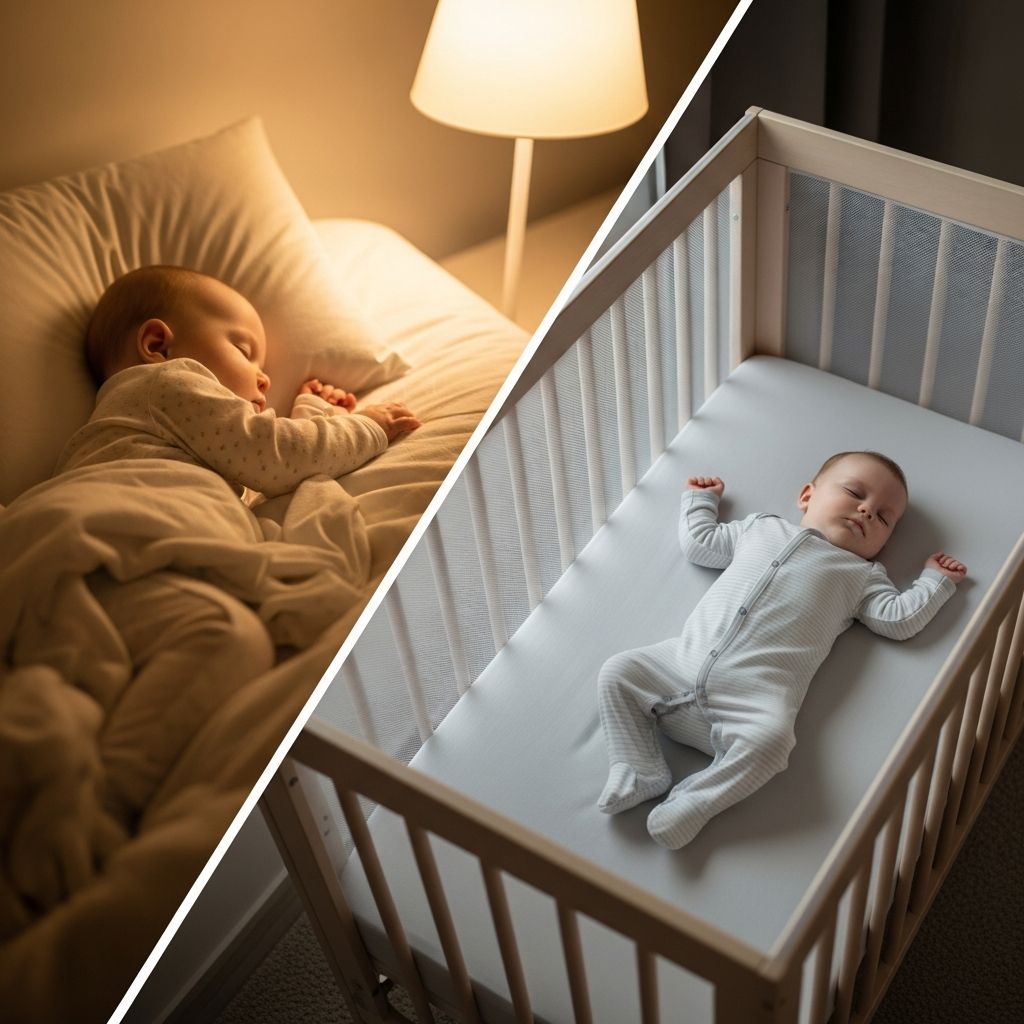
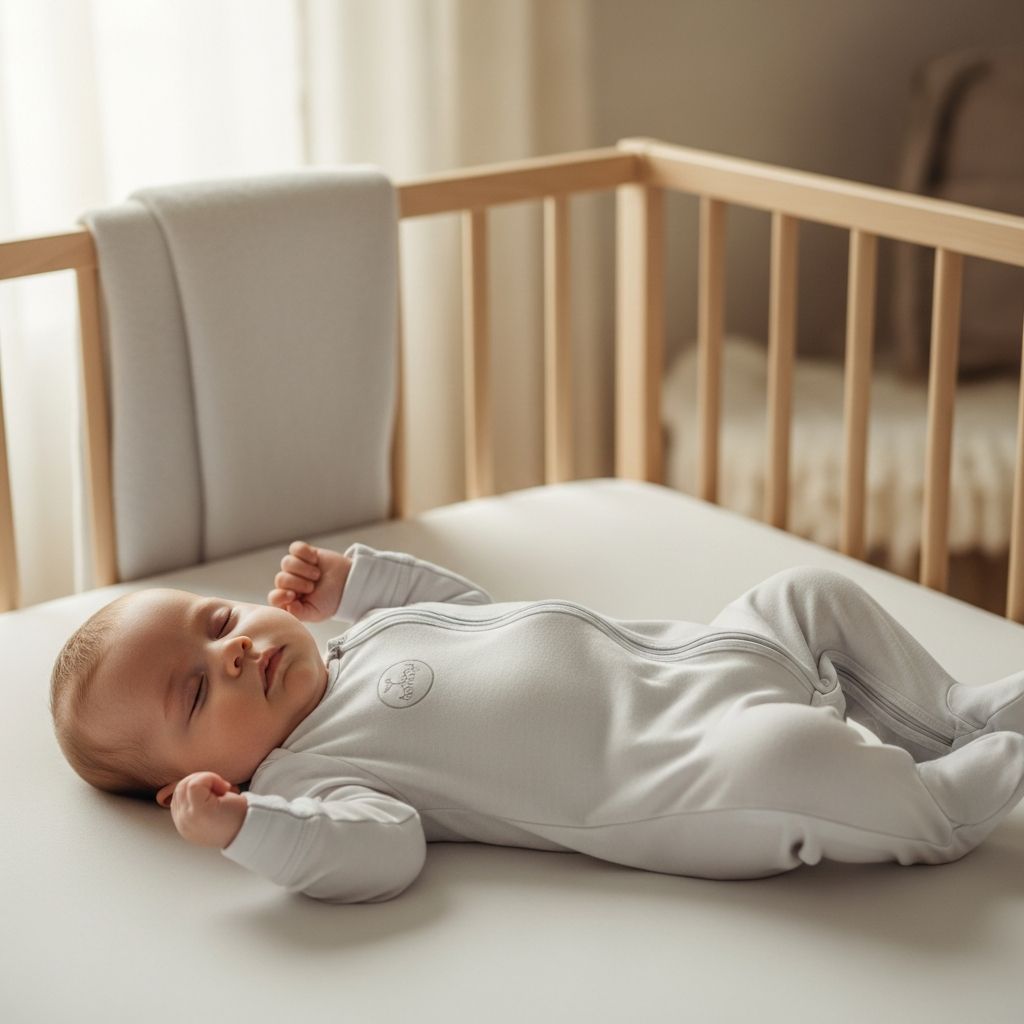
- It is intended for back sleeping only and should be used in a bare, safety-approved sleep space such as a crib or bassinet.
- It is marketed as a tool to reduce the startle (Moro) reflex and support longer, more restful sleep.
Unlike a tight swaddle that restricts arm movement completely, the Magic Sleepsuit allows some movement of arms and legs while still providing resistant padding. The idea is to give a sense of security without full immobilization.
How the Magic Sleepsuit Works
Newborns and young infants often wake themselves up with their own involuntary startle reflex. This can lead to frequent night wakings even when a baby is otherwise ready for longer stretches. The Magic Sleepsuit aims to soften those abrupt movements so they do not jolt a baby fully awake.
- The padding dampens sudden arm and leg flails, which can reduce self-startling.
- The contained shape creates a familiar, womb-like feel after leaving the swaddle stage.
- The suit can support more consistent naps and nighttime stretches once a baby is developmentally ready.
Parents often introduce the Sleepsuit when their baby is breaking out of swaddles, starting to roll in the swaddle, or becoming too active for traditional wrapping but still struggling to settle without some form of containment.
Design, Materials, and Fit
The Magic Sleepsuit is intentionally puffy, which can be surprising the first time you see it. That bulk is what creates the gentle resistance to movement that makes the product unique. At the same time, the brand emphasizes that the suit should be breathable and not truly weighted in the sense of heavy, dense filling.
- It typically comes in different fabric options, such as cotton or microfleece, and in a selection of colors or prints.
- The inside lining is designed to be soft against a baby’s skin, and the outer layer offers structure without feeling rigid.
- Double front zippers are common, allowing you to open both sides for easier dressing and diaper changes.
A good fit is crucial. The suit should be snug enough that the fabric does not ride up over the face but roomy enough to avoid compressing the chest or restricting natural hip movement. Parents are advised to follow the manufacturer’s size guidelines based on weight and age rather than buying “extra big to grow into.”
Recommended Age and Safety Considerations
Safety is the most important factor when deciding whether to use any sleep product. Baby Merlin’s Magic Sleepsuit is designed for a specific window: babies who can no longer be swaddled safely but are not yet rolling over in the suit or needing full freedom of movement.
- Typical usage is around 3–6 months, but weight and developmental stage matter more than exact age.
- The suit is for back sleepers only; discontinue use once a baby shows signs of rolling over in the suit.
- Always place baby alone on a firm, flat surface with no loose items in the crib or bassinet.
Parents should also speak with their pediatrician if there are any medical concerns, such as prematurity, reflux, breathing issues, or overheating risk. A healthcare provider can help determine whether the Sleepsuit is appropriate for a specific baby.
How to Dress Baby Under the Sleepsuit
Because the suit is thick and insulated, babies typically need only a light layer underneath. Overdressing can raise the risk of overheating, so it is essential to keep clothing simple and the environment cool.
- Use a short-sleeve cotton bodysuit or even just a diaper underneath, depending on room temperature.
- Avoid additional blankets, thick pajamas, or extra layers with the suit.
- Monitor baby’s neck and chest for signs of overheating such as sweat, damp hair, or flushed skin.
If the room temperature is on the warmer side of the recommended range, it may be safer to choose the lighter fabric option and the thinnest possible layer underneath. When in doubt, slightly cooler rather than warmer is generally advised for infant sleep.
Ideal Room Temperature for Use
Safe sleep guidelines generally recommend keeping a baby’s sleep environment cool and comfortable. While exact recommendations can vary, many pediatric sources suggest a range that feels slightly cool to an adult in light clothing.
| Room Temperature Range | Suggested Under-Layer | Additional Notes |
|---|---|---|
| Approx. 20–21°C (68–70°F) | Short-sleeve cotton onesie | Check baby’s neck for warmth; adjust layer if slightly sweaty. |
| Approx. 21–22°C (70–72°F) | Cotton onesie or diaper only | Consider lighter fabric Sleepsuit if baby tends to run warm. |
| Below 20°C (below 68°F) | Long-sleeve onesie or footless pajamas | Ensure room is not too cold; avoid adding blankets. |
Parents should adjust based on their home, climate, and the baby’s tendencies. Regularly feeling the back of the neck or chest is more reliable than judging by hands or feet, which can be cooler.
Pros of Baby Merlin’s Magic Sleepsuit
Many families report dramatic improvements in sleep once they introduce the Magic Sleepsuit at the right moment. While no product can guarantee results, there are several recurring benefits parents often describe.
- Smoother transition out of swaddling: Babies who panic when their arms are suddenly free may find the suit’s gentle restriction calming.
- Longer stretches of sleep: By reducing the impact of the startle reflex, some babies can link sleep cycles more easily and wake less often.
- Easier bedtime routine: Putting on the suit becomes a clear sleep cue, signaling that it is time for night sleep or a longer nap.
- Soft, cozy feel: The cushioned fabric can feel luxurious and secure, which some babies clearly enjoy.
- Practical double zippers: The front zippers allow for quick diaper changes with minimal disruption during the night.
For exhausted parents, even one extra hour of uninterrupted sleep can feel life-changing. When the suit is used safely and fits well, it can be a helpful tool as part of an overall healthy sleep routine.
Potential Drawbacks and Limitations
Despite its many fans, the Magic Sleepsuit is not perfect for every baby or family. It is important to consider possible downsides before investing in it, especially since the usable window can be relatively short.
- Risk of overheating if misused: Dressing baby too warmly or using the suit in a hot room can increase overheating risk, which is a serious safety concern.
- Limited time frame: Most babies outgrow the suit in a few months in terms of size or rolling ability, which can make it feel like a short-term purchase.
- Bulkiness: The puffy shape can be awkward for travel, daycare, or households that prefer minimal baby gear.
- Transitioning out again: Once your baby sleeps well in the suit, there may be a second adjustment period when you eventually move to a regular sleep sack or pajamas.
- Not a cure-all: If underlying issues such as hunger, reflux, or inconsistent routines are the main cause of night wakings, a sleepsuit alone will not fully solve the problem.
Parents who value minimalism or want one product that lasts through toddlerhood may prefer a different solution, such as adjustable sleep sacks that accommodate more sizes and stages.
Cost, Value, and Longevity
The Magic Sleepsuit is typically priced in the mid-range for infant sleep gear: more than a basic swaddle but generally less than some high-tech sleep devices. The main issue is not the price in isolation, but how long it will actually be useful.
- Many babies fit into the suit comfortably for a window of around two to four months.
- Some parents pass the suit along to friends or use it for multiple children to increase value.
- Those who experience substantial sleep improvements often consider the cost well worth it for the rest gained.
If you are unsure whether to purchase, consider buying secondhand from a trusted source or adding it to a baby registry so that the cost is offset as a group gift. Always inspect used items thoroughly for damage or excessive wear before using them.
Tips for Using the Sleepsuit Successfully
Maximizing the benefits of the Magic Sleepsuit usually comes down to timing and consistency. Introducing it at the right developmental moment, and using it as part of a predictable routine, can make a big difference.
- Introduce at bedtime first: Try the suit during nighttime sleep, when your baby is naturally more tired, before expecting perfect daytime naps.
- Pair with a calm bedtime routine: Use predictable steps like a bath, feed, dim lights, and a simple song before zipping into the suit.
- Place baby down drowsy but awake: Once your baby is used to the suit, practice putting them down when sleepy rather than fully asleep to encourage self-soothing.
- Monitor closely at the start: For the first few nights, check your baby’s temperature and general comfort more frequently.
- Plan the transition out: As soon as your baby shows signs of rolling in the suit, prepare to move to a more flexible sleep garment.
Remember that the goal is not to become dependent on the suit indefinitely, but to use it as a bridge between tightly swaddled newborn sleep and the more independent sleep of an older infant.
Transitioning Out of the Magic Sleepsuit
Eventually, every baby must say goodbye to the Magic Sleepsuit. Planning this ahead of time prevents rushed, stressful changes when your baby starts to roll in the suit and you need to stop using it immediately.
- Begin by using the suit for nights only and transitioning naps into a regular sleep sack first.
- Once naps are going well, move nights into a wearable blanket or standard pajamas.
- Keep the same bedtime routine and sleep cues so the only major change is the garment.
Some babies barely seem to notice the transition, while others may have a few tougher nights. Staying consistent and not repeatedly switching back and forth between the suit and the new setup helps your baby adapt faster.
Is the Magic Sleepsuit Right for Your Family?
The Magic Sleepsuit can be a powerful tool for some families and less useful for others. It is most likely to help if your baby is developmentally ready for longer stretches of sleep, has difficulty with the startle reflex, and responds well to snug, contained sensations.
| Baby Profile | Why It Might Help |
|---|---|
| Previously swaddled, now breaking out | Provides a softer transition with continued containment. |
| Strong startle reflex | Dampens flailing movements that frequently wake baby. |
| Parents not ready to sleep train | Offers a gentle support tool while delaying formal training. |
| Baby sleeps fine when held but not in crib | Creates a cushioned, secure feel that may mimic being held. |
If your baby already sleeps well in a basic sleep sack or on their own, or if primary sleep challenges are related to feeding schedules or medical issues, the Magic Sleepsuit may not dramatically change your situation. In that case, focusing on routine, sleep environment, and addressing root causes may bring more benefit than adding another product.
Frequently Asked Questions (FAQs)
Is Baby Merlin’s Magic Sleepsuit safe?
The Magic Sleepsuit is designed with safety in mind, but safe use depends heavily on following guidelines. Always use it only for back sleeping, stop when baby starts rolling in the suit, avoid overheating, and keep the sleep space clear of loose items. Consult your pediatrician if you are unsure about suitability for your baby.
When can I start using the Magic Sleepsuit?
Most families introduce the suit around three months of age, once the baby is breaking out of swaddles or no longer safe to swaddle, and is at or above the manufacturer’s minimum weight recommendation. It should not be used for newborns or babies smaller than the advised size range.
How do I know if my baby is too hot?
Signs of overheating can include sweating, damp hair, flushed cheeks, rapid breathing, or a hot chest/neck. If you notice these, remove a layer, adjust the room temperature, or discontinue use and speak with a healthcare provider if you have concerns.
Can I use the Magic Sleepsuit for naps and nighttime?
Yes, many parents use the suit for both naps and night sleep for consistency. Others start with nighttime only and add naps once their baby is comfortable. Whichever approach you choose, keep sleep surfaces and safety practices consistent.
Do I need more than one Magic Sleepsuit?
Owning more than one suit is not required but can be convenient. Having a backup helps if one gets soiled overnight or during naps. Some families purchase a second suit in the next size up if they have multiple children or expect a longer usage period within the size range.
What if my baby hates the suit?
Not all babies enjoy the sensation of the Magic Sleepsuit. If your baby seems unusually distressed after a gradual introduction period, it may not be the right choice. Removing it and returning to tried-and-true sleepwear is better than forcing use of a product that clearly upsets your child.
Final Thoughts for Tired Parents
Baby Merlin’s Magic Sleepsuit can be a welcome tool for families navigating the tricky phase between swaddled newborn and independent sleeper. Used with proper safety precautions, realistic expectations, and a consistent routine, it may help reduce wake-ups and support more restful nights. At the same time, it is just one option among many, and every baby’s needs and temperament are unique.
If you decide to try it, think of the Magic Sleepsuit not as a miracle cure, but as a supportive bridge in your baby’s evolving sleep journey. Respecting safety guidelines and listening to your baby’s cues will always matter more than any single product.