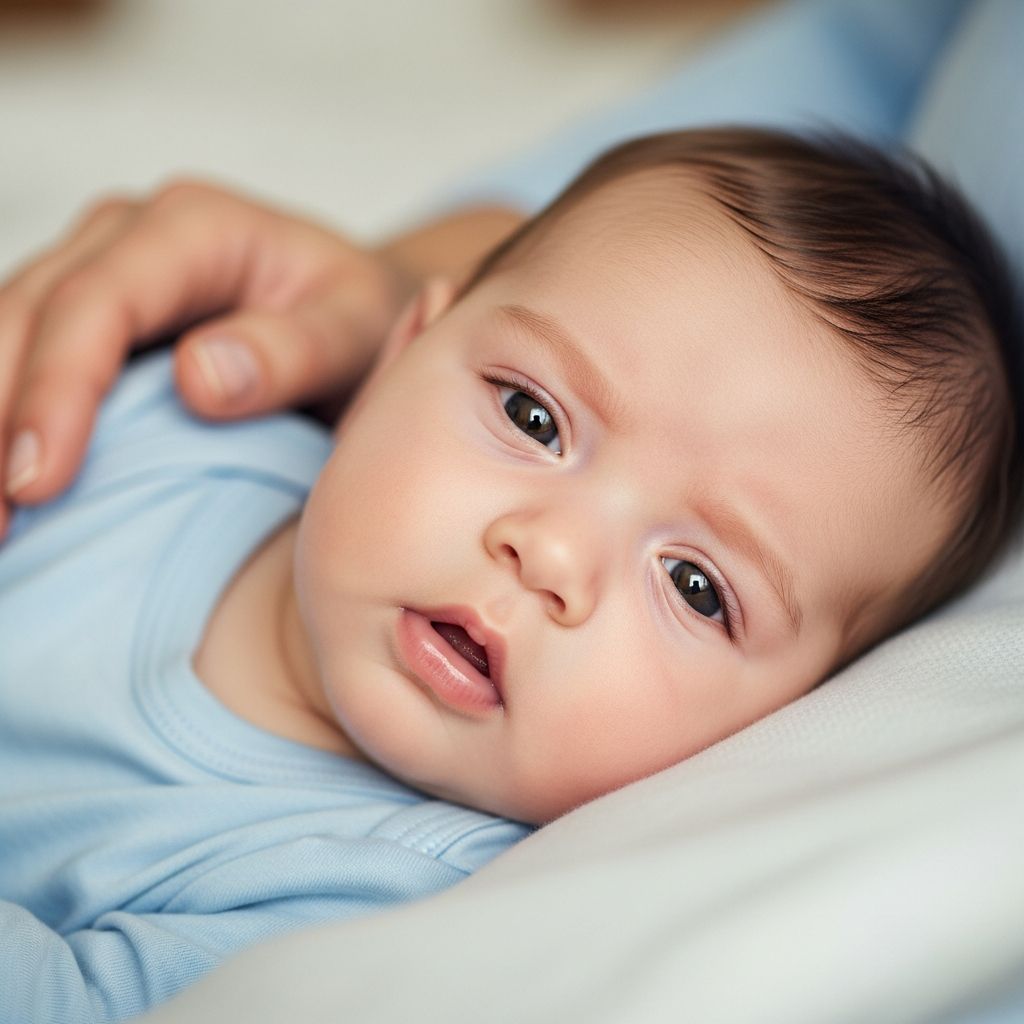
Respiratory issues like wheezing coughs are frequent in infants and toddlers due to their small, developing airways. A wheezing cough—a high-pitched whistling sound during breathing—often signals narrowed airways from inflammation, mucus, or infection. While many cases resolve at home, recognizing serious signs is crucial for timely intervention.
Recognizing the Sound of Wheezing in Young Children
Wheezing manifests as a distinctive musical or whistling noise, most audible during exhalation. In babies, it may accompany rapid breathing over 40 breaths per minute or tight chest movements. Unlike a simple dry cough, wheezing indicates lower airway involvement, distinguishing it from upper respiratory issues.
Parents often notice it after a cold progresses, with symptoms worsening at night due to postnasal drip irritating the throat. Listening closely during sleep or play helps identify it early.
Primary Causes of Wheezing Coughs
Several conditions trigger wheezing in this age group. Viral infections dominate, but chronic issues like asthma can emerge.
Bronchiolitis: The Leading Culprit
Bronchiolitis inflames the tiniest lung airways (bronchioles), peaking at 6 months. Caused mainly by respiratory syncytial virus (RSV), it starts like a cold—runny nose, mild fever—then escalates to cough, wheezing, and labored breathing lasting 1-2 weeks.
RSV epidemics hit winters, affecting nearly all children by age 2. Narrowed airways from swelling cause the wheeze; about 30% of cases may foreshadow asthma, especially with family history.
Croup and Upper Airway Swelling
Croup involves viral swelling above the vocal cords, producing a bark-like cough with inspiratory stridor—a high-pitched inhale sound. Wheezing is less common but occurs if swelling extends lower. Symptoms include hoarse voice, congestion, and fever; severe cases show retractions (skin pulling in at ribs). Home steam often suffices, but hospitalization is rare.
Asthma and Reactive Airways
Asthma causes episodic wheezing, worse at night or post-exercise. In under-12-month-olds, diagnosis waits until airways mature, but trials of inhalers help differentiate. Family history or recurrent wheezing raises suspicion.
Other Triggers: Infections and Irritants
- Pneumonia: Bacterial or viral, with high fever, rapid onset cough, and wheezing.
- Whooping cough: Preventable by vaccines; paroxysmal coughs with whoops.
- Allergies/Hay fever: Sneezing, runny nose plus wheeze from dust, pets, mold.
- Irritants: Smoke exposure worsens coughs; avoid secondhand smoke entirely.
Symptom Progression and Monitoring
Track patterns: Initial cold symptoms evolve into persistent cough (sticky mucus), fever, reduced feeding, or apnea spells in RSV. Nighttime worsening signals asthma or drip. Use a table to log symptoms:
| Symptom | Normal Duration | Red Flag if… |
|---|---|---|
| Cough | 1-2 weeks | Lasts >2 weeks or worsens |
| Wheezing | 3-7 days | Present at rest or with blue lips |
| Breathing Rate | <40/min (infants) | >60/min or labored |
| Fever | <100.4°F (infants) | High + poor feeding |
This helps pediatricians assess urgency.
Home Management Strategies
Most wheezing resolves without meds, as antibiotics fail against viruses.
- Humidify air: Cool-mist humidifier or steamy bathroom eases congestion.
- Hydration: Frequent breast milk/formula thins mucus; nasal saline drops clear noses.
- Elevation: Raise crib head 30 degrees reduces drip.
- Honey (toddlers only): ½ tsp soothes coughs over 1 year; never for infants.
- Avoid OTC cough meds; unsafe under 6 years.
For bronchiolitis, supportive care suffices; severe RSV may need oxygen.
When to Contact a Doctor Immediately
Seek help for:
- Rapid/labored breathing or retractions.
- Persistent wheezing, even at rest.
- Bluish lips/nails, excessive drooling.
- High fever + worsening cough >2 weeks.
- Lethargy, refusal to eat/drink.
- Sudden cough without prior illness (choking?).
Foreign objects in noses cause one-sided wheeze, foul smell, bleeds—remove via doctor.
Prevention: Shielding Little Lungs
Minimize risks:
- Hand hygiene: RSV spreads via touch; wash rigorously.
- Vaccines: Pertussis shots protect newborns.
- Avoid crowds/smoke in winter.
- Breastfeeding: Boosts immunity.
- New RSV antibodies for high-risk infants.
Long-Term Outlook and Follow-Up
Single-episode wheezing often follows colds; recurrent suggests asthma evaluation post-12 months. Track episodes; spirometry later confirms. Early intervention prevents chronic issues.
Frequently Asked Questions
How long does a wheezing cough last in babies?
Typically 1-2 weeks for bronchiolitis; monitor for persistence.
Is wheezing always serious in toddlers?
Not usually, but paired with breathing trouble, yes—call doctor.
Can I use a nebulizer at home?
Only if prescribed; bronchodilators help some, not all.
Does RSV cause permanent lung damage?
Rarely in healthy infants; high-risk preemies need caution.
When can my baby return to daycare?
Fever-free 24 hours, improving symptoms; check center policy.
References
- Baby & Child Coughing: What Baby’s Cough Could Mean — Texas Children’s Hospital. 2023. https://www.texaschildrens.org/content/wellness/baby-child-coughing-what-babys-cough-could-mean
- Bronchiolitis – Symptoms and causes — Mayo Clinic. 2025-01-10. https://www.mayoclinic.org/diseases-conditions/bronchiolitis/symptoms-causes/syc-20351565
- Coughing and wheezing in children — Better Health Channel. 2024. https://www.betterhealth.vic.gov.au/health/conditionsandtreatments/coughing-and-wheezing-in-children
- Bronchiolitis-RSV — Seattle Children’s Hospital. 2025. https://www.seattlechildrens.org/conditions/a-z/bronchiolitis-rsv/
- RSV in Infants and Young Children — CDC. 2025-09-15. https://www.cdc.gov/rsv/infants-young-children/index.html
- What is Croup? Symptoms, Treatment, and When to Worry — Children’s Hospital of Philadelphia. 2024-06-20. https://www.chop.edu/news/health-tip/what-is-croup-symptoms-treatment-and-when-to-worry