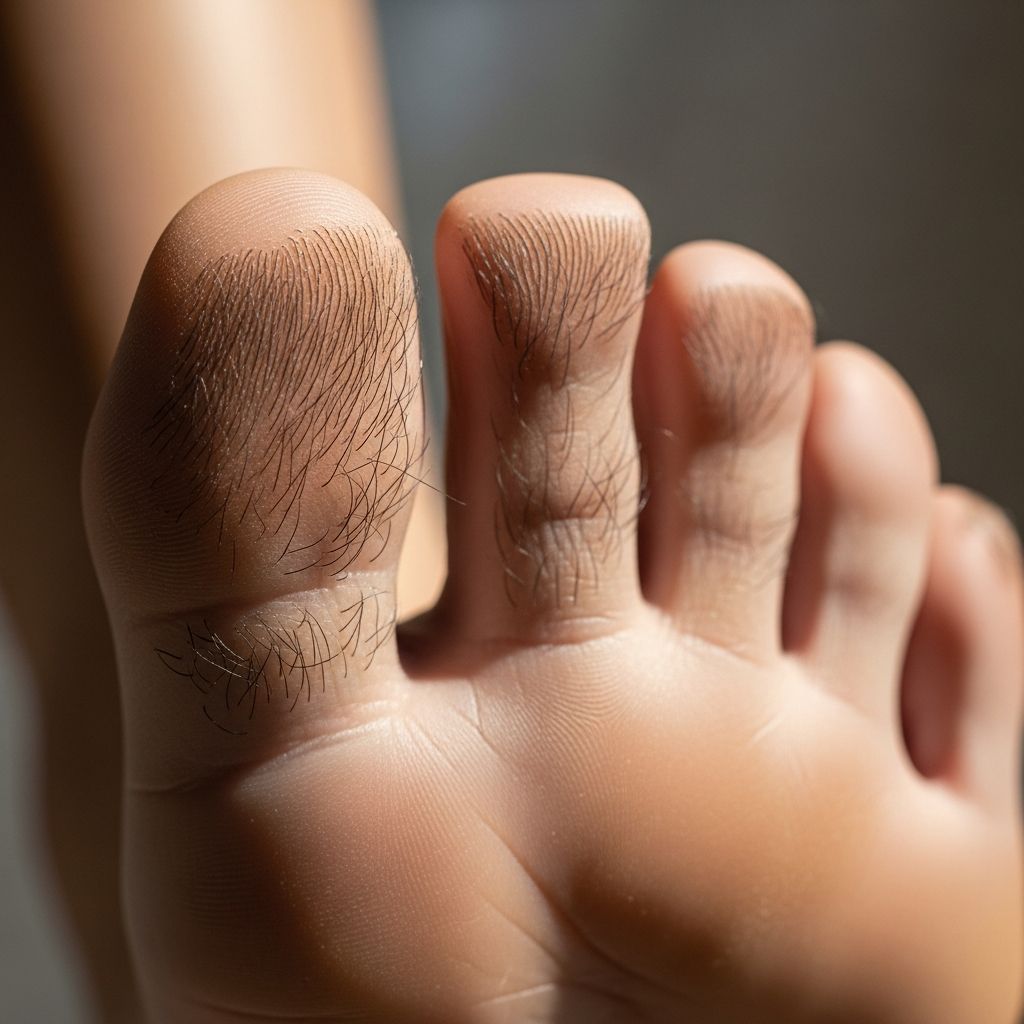
Presence of hair on toes is typically a benign feature influenced by genetics, yet it serves as a subtle indicator of circulatory health according to podiatrists. Conversely, sudden changes in toe hair—whether loss or overgrowth—can signal underlying medical concerns ranging from vascular issues to endocrine imbalances. This article delves into the physiological roles of toe hair, factors influencing its growth, associated health implications, and practical steps for monitoring foot health.
The Biology Behind Toe Hair Growth
Hair follicles on the toes, like those elsewhere on the body, rely on a steady supply of oxygen and nutrients delivered via blood vessels. Robust circulation ensures these follicles thrive, producing visible hair shafts. Podiatrists note that toes represent the body’s extremities, farthest from the heart, making them particularly sensitive to blood flow disruptions.
In healthy individuals, toe hair varies in density due to genetic predispositions. Androgens, hormones produced by adrenal glands and gonads, stimulate hair growth in androgen-sensitive areas including toes. Normal variation means some people exhibit lush toe hair while others have sparse coverage, neither typically warranting concern.
- Genetic factors: Inherited traits determine baseline hair density across family lines.
- Hormonal influence: Balanced androgen levels promote steady growth without excess.
- Circulatory support: Adequate blood flow nourishes follicles, preventing atrophy.
When Toe Hair Signals Strong Circulation
Podiatric experts emphasize that hairy toes are a positive sign of vascular efficiency. Hair growth demands consistent perfusion; without it, follicles enter dormancy. “You can’t produce hair on your toes without having a blood supply,” explains a podiatrist, highlighting toes’ vulnerability due to distance from the heart.
Regular podiatric evaluations often include visual checks of toe hair as a quick circulation proxy. Dense, evenly distributed hair suggests arteries and veins are delivering blood effectively, reducing risks of complications like ulcers or infections in extremities.
| Sign of Good Circulation | Implication |
|---|---|
| Thick, uniform toe hair | Strong blood flow to extremities |
| Warm toe temperature | Efficient nutrient delivery |
| Quick-healing minor injuries | Healthy vascular response |
Red Flags: Loss of Toe Hair and Circulation Woes
Sudden thinning or complete loss of toe hair often heralds poor peripheral circulation, a condition podiatrists term peripheral artery disease (PAD) or vascular insufficiency. Arteriosclerosis narrows vessels, prioritizing vital organs over extremities, starving hair follicles.
Diabetes exacerbates this through hyperglycemia damaging microvasculature and nerves, leading to neuropathy alongside hair loss. Patients may notice concurrent symptoms like cold feet, shiny skin, or slow-healing wounds. Smoking, high cholesterol, and hypertension further compromise flow, turning once-hairy toes bald.
- Cold or numb toes
- Pale, glossy skin on feet
- Leg cramps during activity
- Delayed wound recovery
- Ankle swelling
Early intervention via lifestyle changes, medications, or vascular referrals can restore function and prevent amputation risks.
Excessive Toe Hair: Hormonal and Medication Links
While sparse hair raises vascular alarms, unusually thick or sudden toe hair growth may indicate hyperandrogenism. Adrenal disorders like congenital adrenal hyperplasia or tumors elevate androgens, promoting hirsutism—including on toes.
In women, ovarian conditions such as polycystic ovary syndrome (PCOS), hyperthecosis, or tumors disrupt hormone balance, manifesting as increased body hair. Medications including anabolic steroids, corticosteroids, danazol, or fluoxetine can trigger similar effects.
Rarely, extreme overgrowth signals paraneoplastic syndromes tied to malignancies, though foot-specific cancer remains exceedingly uncommon. Consultation with endocrinologists is advised for abrupt changes.
Rare Conditions Altering Toe Hair Patterns
Hypohidrotic ectodermal dysplasia (HED), a genetic disorder, paradoxically features sparse body hair including toes due to defective ectodermal development. Affected individuals exhibit hypotrichosis alongside hypodontia and reduced sweating, stemming from EDAR gene mutations.
Though HED primarily impacts skin appendages globally, toe hair scarcity underscores its multisystem nature, often accompanied by heat intolerance and dental anomalies. Diagnosis involves genetic testing; management focuses on symptom relief.
Practical Monitoring and Self-Care Tips
Podiatrists recommend monthly foot inspections for early detection. Compare toe hair bilaterally; asymmetry may indicate localized vascular issues. Maintain hydration, exercise routinely, and avoid smoking to bolster circulation.
For cosmetic concerns with normal excessive hair, options include:
- Shaving or depilatories for temporary removal
- Waxing or sugaring for 4-6 week smoothness
- Laser therapy or electrolysis for lasting reduction
However, prioritize medical evaluation over aesthetics if changes coincide with other symptoms.
Diagnostic Approaches in Podiatry
During exams, podiatrists assess toe hair alongside ankle-brachial index (ABI) tests measuring blood pressure ratios, Doppler ultrasound for flow visualization, and bloodwork for glucose, lipids, and hormones. Multidisciplinary referrals ensure comprehensive care.
| Test | Purpose | What It Reveals |
|---|---|---|
| ABI | Compares arm/ankle pressure | PAD if ratio <0.9 |
| Doppler Ultrasound | Visualizes blood flow | Blockages or narrowing |
| Blood Panel | Checks hormones/glucose | Endocrine or diabetic issues |
Frequently Asked Questions
Is toe hair loss always a sign of poor circulation?
Not always, but it’s a common indicator especially with accompanying symptoms like cold feet or skin changes. Consult a podiatrist for evaluation.
Can medications cause hairy toes?
Yes, drugs like steroids, danazol, or certain antidepressants boost androgens, leading to increased hair growth.
Should I remove hair from my toes?
If it’s cosmetic and health is normal, safe methods like shaving or laser work. Avoid if circulation is compromised to prevent irritation.
Does diabetes directly cause bald toes?
Indirectly via vascular damage and neuropathy, impairing follicle nutrition.
When should I see a doctor about toe hair changes?
Immediately if sudden, with pain, discoloration, or other symptoms; routinely for annual foot checks.
Lifestyle Strategies for Optimal Foot Circulation
Daily 30-minute walks enhance lower limb blood flow. Compression socks aid venous return, while elevating feet reduces swelling. A diet rich in antioxidants combats arterial plaque. Quit smoking promptly, as nicotine constricts vessels. For diabetics, glycemic control is paramount.
Yearly podiatric screenings catch subclinical issues, particularly for at-risk groups: those over 50, smokers, or with metabolic conditions. Self-exams empower proactive health management.
In summary, toe hair—present, absent, or abundant—mirrors systemic health. Normal patterns affirm vitality; deviations prompt vigilance. Routine care transforms feet from mere mobility tools into vital health barometers.
References
- Hypohidrotic Ectodermal Dysplasia – Symptoms, Causes, Treatment — National Organization for Rare Disorders (rarediseases.org). Accessed 2026. https://rarediseases.org/rare-diseases/hypohidrotic-ectodermal-dysplasia/
- Hairy Toes: Possible Causes and Removal Options — Healthline. 2019-11-08. https://www.healthline.com/health/hairy-toes
- 18 Things Your Feet Say About Your Health — Futch Podiatry. 2011-02. https://futchpodiatry.com/2011/02/18-things-your-feet-say-about-your-health/
- The Case for Hairy Toes (yes, really) — Beyond Podiatry. Accessed 2026. https://beyond-podiatry.com/why-you-shouldnt-ignore-your-toe-hair/
- 5 Ways Your Feet Warn You About Your Health — Freeland Foot & Ankle Clinic. Accessed 2026. https://www.freelandfoot.com/blog/5-ways-your-feet-warn-you-about-your-health.cfm
- Hairy Toes Indicate Good Foot Circulation — RFA Institute. Accessed 2026. https://rfainstitute.com/archives/hairy-toes-indicate-good-foot-circulation-md-podiatrist/
- Hairy Toes | Diabetes and Circulation — Louetta Foot and Ankle. Accessed 2026. https://louettafootandankle.com/educational-resources/whats-the-deal-with-hairy-toes/