Understanding the Importance of Funeral Attire
Choosing what to wear to a funeral is more than a fashion decision—it’s a gesture of respect and empathy for the grieving family and the memory of the deceased. The clothing you select should reflect the solemn nature of the occasion, prioritizing modesty, dignity, and cultural sensitivity.
Traditional Funeral Dress Codes
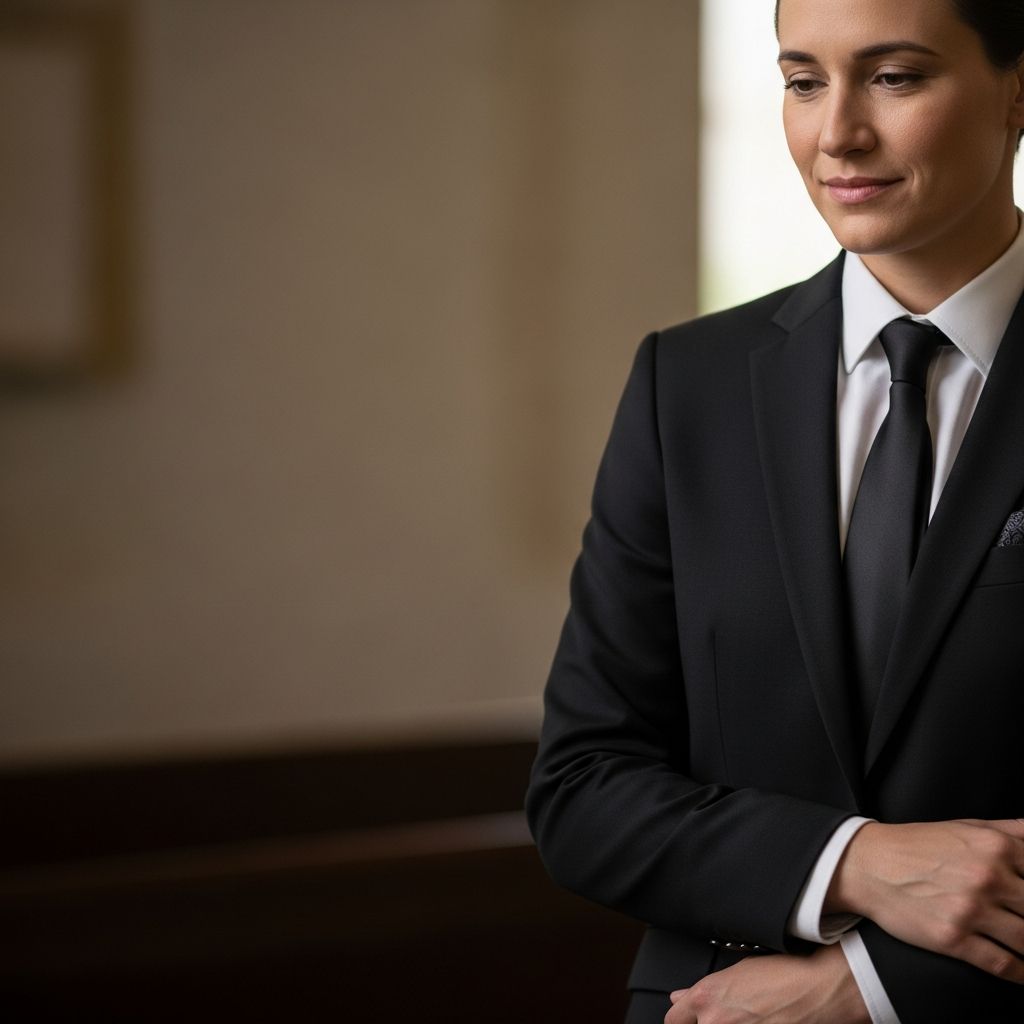
For generations, dark colors—especially black—have been the standard for funeral attire in many cultures. This tradition symbolizes mourning and respect, helping to create a unified atmosphere of solemnity. Conservative clothing, such as suits for men and dresses or skirts for women, is typically expected.
- Men: Dark suits, ties, and dress shoes are the norm. A crisp white shirt under a black or navy jacket is a classic choice.
- Women: Knee-length or longer dresses, skirts, or pants paired with a blouse or sweater are appropriate. Shoulders should be covered, and jewelry should be minimal.
- Children: Smart, age-appropriate clothing in dark or muted colors is preferred.
Modern Variations and Cultural Considerations
While traditional dress codes remain common, some families request alternative attire to celebrate the life of the deceased rather than mourn their passing. In these cases, bright colors, patterns, or even themed outfits may be encouraged. Always check for specific instructions from the family or funeral organizers, as customs can vary widely across cultures and personal preferences.
- Some cultures wear white or other colors to signify mourning or spiritual beliefs.
- Modern “celebration of life” services may invite attendees to wear something meaningful to the deceased, such as a favorite color or hobby-related attire.
- Always respect the family’s wishes, even if they differ from traditional expectations.
Practical Tips for Selecting Funeral Outfits
When preparing for a funeral, consider the following practical tips to ensure your attire is both respectful and comfortable:
- Choose clothing that is modest, covering shoulders, chest, and knees.
- Opt for dark or muted colors unless otherwise specified.
- Ensure your outfit is clean, well-fitting, and free of wrinkles or stains.
- Wear comfortable shoes, as you may be standing or walking for extended periods.
- Minimize accessories and avoid flashy or distracting jewelry.
What to Avoid When Dressing for a Funeral
There are certain clothing choices that are generally considered inappropriate for funerals:
- Jeans, shorts, or casual wear.
- Revealing clothing, such as low-cut tops or short skirts.
- Overly bright or flashy colors, unless specifically requested.
- Graphic prints, slogans, or attention-grabbing accessories.
- Sportswear or athletic shoes.
Special Considerations for Different Relationships
Your attire may vary depending on your relationship to the deceased:
- Close family members may choose to wear traditional mourning attire or follow specific cultural customs.
- Friends and colleagues should opt for conservative, respectful clothing that aligns with the family’s wishes.
- Children should wear smart, age-appropriate clothing in dark or muted colors.
FAQs About Funeral Attire
| Question | Answer |
|---|---|
| Can I wear white to a funeral? | Yes, in some cultures white is traditional for mourning. If unsure, check with the family or stick to dark colors. |
| Are jeans acceptable at a funeral? | No, jeans are generally considered too casual for funerals unless specifically requested. |
| Can I wear bright colors? | Only if the family requests it or if the service is a celebration of life. |
| What shoes should I wear? | Opt for closed-toe shoes in dark colors. Comfort is important for standing or walking. |
| Should I wear a hat? | Hats may be appropriate in some cultures or for religious reasons. Check with the family if unsure. |
Final Thoughts
Funeral attire is a meaningful way to show respect and support for those who are grieving. By choosing clothing that is modest, conservative, and appropriate for the occasion, you help create a dignified atmosphere that honors the memory of the deceased. Always be mindful of cultural traditions and the family’s wishes, and remember that your presence and empathy are the most important aspects of attending a funeral.