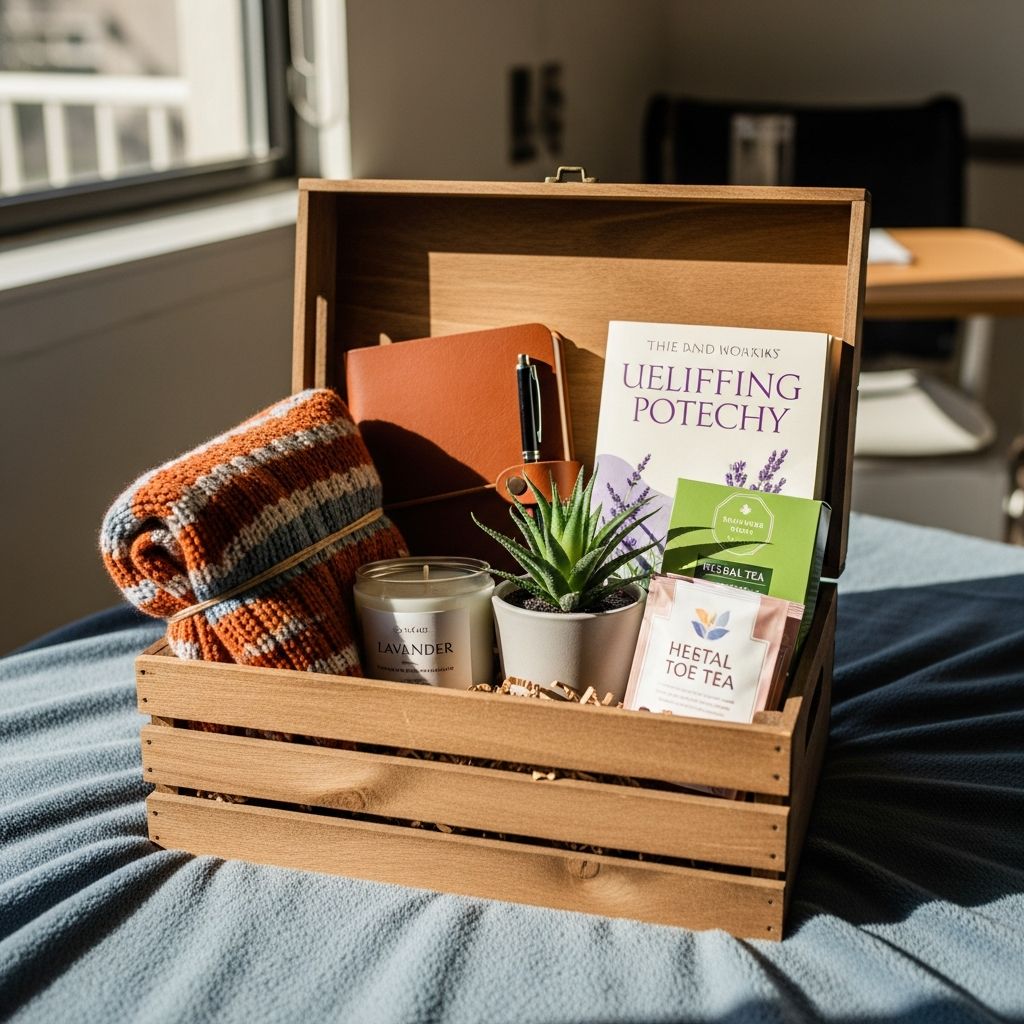
When someone you care about is admitted to a mental health hospital, it can feel overwhelming and scary—for them and for you. Finding the right way to show up with kindness, respect, and practical support is one small but meaningful way to say, “You are not alone.” This guide offers thoughtful ideas for what to send, how to communicate, and how to be present without overstepping.
First Things First: Your Presence Matters More Than the Package
Before choosing a single item, remember that the most powerful “gift” is your ongoing, nonjudgmental presence. A short note, a simple text (if they have phone access), or a card that says “I care about you” can mean far more than anything in a gift basket. The goal is not to impress them; it is to reassure them that they are still loved, remembered, and valued.
Your care package should reflect this same principle: it is less about the object and more about the message behind it. If you feel unsure, start small and focus on comfort, connection, and respect for their treatment environment.
Understand Hospital Rules Before You Send Anything
Mental health units have strict safety protocols, and many everyday items are not allowed. What seems harmless at home—a spiral notebook, glass bottle, or wired headphones—might be restricted or removed on arrival. To avoid disappointment or extra work for staff, check the facility guidelines ahead of time.
You can usually get clarity by calling the hospital’s general number, asking for the unit desk, and briefly explaining that you want to send or bring a small care package. Staff can tell you what is allowed regarding clothing, electronics, food, and personal items, and whether there are limits on quantities or packaging.
Comfort Items That Make the Stay Feel Less Clinical
One of the hardest parts of an inpatient stay is how impersonal everything can feel. Small, cozy items can soften the environment and make your friend feel a little more like themselves again. Focus on softness, warmth, and sensory comfort rather than expensive or flashy gifts.
- Soft clothing: Think pull-on pants, T-shirts, sports bras, and sweatshirts without strings, zippers, or metal hardware. Choose fabrics that are breathable and gentle on the skin.
- Warm layers: Fuzzy socks with grippy bottoms, a lightweight cardigan, or a soft beanie can help if the unit tends to run cold.
- Cozy textiles: If allowed, a small throw blanket or a simple pillowcase from home can offer familiarity and comfort.
- Small plush or cushion: A simple stuffed animal or squishy pillow can be a grounding object during anxious moments, especially if it reminds them of home.
Stick with washable, low-maintenance items in neutral or calming colors. It is less about style and more about how approachable, safe, and soothing the item feels.
Practical Personal Care Items (That Still Feel Like a Treat)
Hospital-issued toiletries are usually basic and generic. Bringing in a few gentle, approved self-care products can be both useful and emotionally supportive. The key is to avoid glass, sharp edges, aerosols, and anything strongly fragranced if the unit has scent-free rules.
- Unscented or lightly scented soap and body wash: Travel-size bottles in plastic containers are usually the safest bet.
- Simple skincare: A mild moisturizer, lip balm, or fragrance-free face wash can feel luxurious compared to institutional products.
- Hair care basics: Soft hair ties without metal, a small plastic brush or wide-tooth comb, and a basic shampoo/conditioner set if permitted.
- Dental care: A soft toothbrush and toothpaste, ideally in unopened packaging. Some units provide these but having a preferred brand can feel comforting.
If you put items together in a bag, use a simple fabric pouch or clear plastic zip bag without wires, clips, or decorative metal pieces. Avoid baskets with handles, ribbons, or anything that could be flagged as unsafe.
Activities to Ease Boredom and Support Coping Skills
Inpatient days can be long, repetitive, and structured around group sessions and medication times. When there is downtime, many people turn to reading, writing, or quiet creative activities. Thoughtful entertainment can make those in-between hours less isolating and more manageable.
- Books and magazines: Light fiction, humor, short essays, and uplifting stories are often easier to focus on than dense or dark material. Consider paperbacks so they are lighter to hold and carry.
- Puzzle books: Crosswords, word searches, and logic puzzles provide distraction without requiring screens or internet access.
- Drawing and coloring: If allowed, bring a small non-spiral sketchbook and a set of short, soft-tipped colored pencils or crayons. Adult coloring books with simple designs can be especially calming.
- Card and tabletop games: In some units, a standard deck of cards, simple card games, or small cooperative games are permitted and can help your friend connect with other patients.
Always check for restrictions on metal, wires, and spiral bindings. When in doubt, choose bound or glued spines, cardboard covers, and soft, blunt items rather than anything rigid or sharp.
Supporting Connection: Stationery, Contact Info, and Gentle Communication
Hospitalization can interrupt everyday conversations, making it harder for your friend to feel connected to their usual world. Tools that help them stay in touch—within the rules of the unit—can soften that disruption and support their sense of belonging.
- Address book or printed contact list: Type or neatly write phone numbers and addresses for friends, family, and trusted supports so they do not have to rely on their phone’s contact list.
- Simple stationery: Plain notecards or folded paper, along with stamped envelopes, make it easy to write to people they care about.
- Phone support: Some units allow prepaid calling cards or additional minutes on a phone account. If this is an option, it can be a practical way to enable more frequent check-ins.
Include a short, affirming note in your own handwriting if possible. It does not need to be profound; a sincere “I am thinking of you, and I am here” is often exactly what someone in crisis needs to hear.
Thoughtful Food and Treats (When Permitted)
Not all mental health hospitals allow outside food, and policies can differ even between units in the same building. If food is allowed, it is usually under strict conditions about packaging, ingredients, and quantity. Always confirm guidelines before purchasing anything edible.
When food is permitted, consider items that are:
- Individually packaged and sealed: Think single-serve snacks or small packets that are easy to store and share.
- Not heavily perishable: Shelf-stable treats like certain cookies, crackers, or granola bars are more practical than items that need refrigeration.
- Aligned with their needs: Be mindful of any allergies, dietary restrictions, or medical conditions. When in doubt, choose mild, simple items rather than sugary or highly caffeinated treats.
If food is not allowed, you can still give “comfort” in other forms: a photograph, a handwritten recipe, or a note describing a favorite shared meal you will cook together once they are home.
Emotional Support Gifts: Affirmations, Gentle Humor, and Symbolic Items
Alongside practical and sensory comfort, many people appreciate small symbolic reminders that they are valued and that healing is possible. These items should never pressure them to “cheer up” or “be positive”; instead, they should quietly affirm their worth and resilience.
- Affirmation cards or notes: Short, compassionate phrases on individual cards that they can read when they need encouragement. Focus on validation rather than clichés.
- Small, reassuring tokens: A simple keychain, stone, or wristband engraved with a word like “courage,” “enough,” or “breathe” can serve as a discreet, grounding reminder.
- Gentle humor: Light, kind-hearted jokes or a mildly funny book can provide relief without dismissing their pain. Avoid anything that mocks mental health or hospital experiences.
Be careful not to send anything that implies they need to “try harder” or that recovery is a quick mindset shift. Your friend is already doing something profoundly brave by accepting care.
Simple Gift Ideas by Category
The table below gathers some of the themes from earlier sections into a quick-scan format. Always adapt these ideas to your friend’s personality and the specific rules of their treatment setting.
| Category | Examples | What to Double-Check |
|---|---|---|
| Comfort & Clothing | Pull-on pants, soft T-shirts, sports bras, grippy socks, light sweater | Rules about drawstrings, zippers, underwires, and quantity of clothing |
| Personal Care | Travel-size shampoo, body wash, moisturizer, lip balm, comb | Restrictions on glass, aerosols, fragrances, and sharp objects |
| Activities | Paperbacks, puzzle books, non-spiral journal, coloring pages, cards | Policies on spiral bindings, metal coils, hard covers, and card games |
| Connection | Address list, stamped envelopes, simple stationery, prepaid calling card | Rules about phone use, mail, and electronic devices |
| Emotional Support | Affirmation cards, symbolic keychain, small plush, photo (if allowed) | Guidelines on photos, personal mementos, and items with strings or chains |
| Food & Treats | Sealed snack packs, mild sweets, non-caffeinated drinks (if permitted) | Unit-specific food rules, allergies, and storage limitations |
Visit and Communication Etiquette: Being Supportive, Not Overwhelming
Gifts and packages matter, but how you show up—emotionally and practically—often matters more. If in-person visits are allowed, treat them as a chance to listen, not to interrogate or problem-solve. Let your friend set the pace and direction of the conversation.
- Ask open, gentle questions like “How are you feeling about being here today?” and accept if they do not want to talk about it.
- Avoid pressing for details about what led to their admission or whether they have “learned their lesson.” Focus on the present and on their sense of safety.
- Keep visits reasonably short unless they clearly express that longer company feels helpful. In a hospital environment, even social time can be tiring.
If you cannot visit, regular postcards, short emails (if permitted), or scheduled phone calls can create a steady rhythm of support without overwhelming them.
What to Avoid Sending (Even if It Seems Thoughtful)
Some items are best left for after discharge, even if your intentions are kind. The hospital’s priority is safety for all patients, so anything that might be misused, trigger others, or complicate staff responsibilities is usually not appropriate.
- Valuables: Expensive jewelry, large amounts of cash, or irreplaceable heirlooms can be lost, stolen, or locked away where your friend cannot access them.
- Potentially triggering media: Books, movies, or magazines that focus heavily on self-harm, suicide, graphic violence, weight loss, or substance use can intensify distress.
- Sharp or fragile items: Scissors, glass bottles, metal frames, mirrors, and hard plastics are commonly prohibited for safety reasons.
- Complex electronics: Laptops, tablets, and smartphones are often not allowed on the unit. If they are, there may be strict supervision and storage rules.
When in doubt, choose simple, soft, and easily replaceable things that will not create new worries for your friend or for staff.
After Discharge: Extending Support Beyond the Hospital Walls
Your friend’s journey does not end the day they go home; in many ways, that is when the harder, quieter work of recovery begins. Thoughtful follow-up can help them transition from the safety of the unit back into everyday life without feeling abandoned or forgotten.
- Offer specific, practical help—like rides to appointments, company for a walk, or sitting with them during a tough evening—rather than vague “Let me know if you need anything.”
- Respect their boundaries. Some people want to talk about their experience; others prefer to focus on the present. Let them lead.
- Consider a post-discharge care package: a journal, a gentle self-help or coping-skills book, a small plant, or a calendar where they can track therapy appointments and wins.
Above all, remind them periodically that seeking help was an act of courage, not failure. Your consistent presence can be one of the most healing “gifts” they receive.
Frequently Asked Questions About Gifts for Mental Health Hospital Stays
Is it okay to send a gift if we have not talked in a while?
Yes, as long as your message is simple, kind, and free of pressure. A brief note acknowledging the gap—“We have not spoken in some time, but I care about you and wanted to send something comforting”—can help your gift land as supportive rather than intrusive. Avoid demanding explanations or immediate reconnection; let them decide if and when they want to respond.
What if my friend does not seem to appreciate the gift?
People in crisis are often exhausted, heavily medicated, or emotionally numb, and their reactions might not match the effort you put into choosing a package. Try not to interpret a flat or muted response as ingratitude. The real impact of your support may show up later, when they look back and remember that you reached out.
Can I send a journal or notebook?
Often yes, but the format matters. Spiral bindings, hard covers with sharp corners, elastic bands, and embedded metal can all be restricted. Choose a soft-cover, glue-bound notebook with flexible pages and no extra attachments, and confirm with staff before sending if you are unsure.
Should I avoid mentioning the hospital or their diagnosis in my card?
There is no single right answer, because comfort levels vary. If your friend has openly shared their diagnosis or reasons for admission, it can be validating to acknowledge their reality (“I know this is a hard time”) without dwelling on labels. If you are uncertain, focus on expressing care and hope without naming specifics; you can always follow their lead in future conversations.
How many gifts are too many?
Space on mental health units is usually limited, and your friend may need to carry everything home at discharge. One well-chosen package or a few small items spaced out over time are usually better than a constant stream of things. When in doubt, ask whether there is anything specific they truly need rather than guessing.