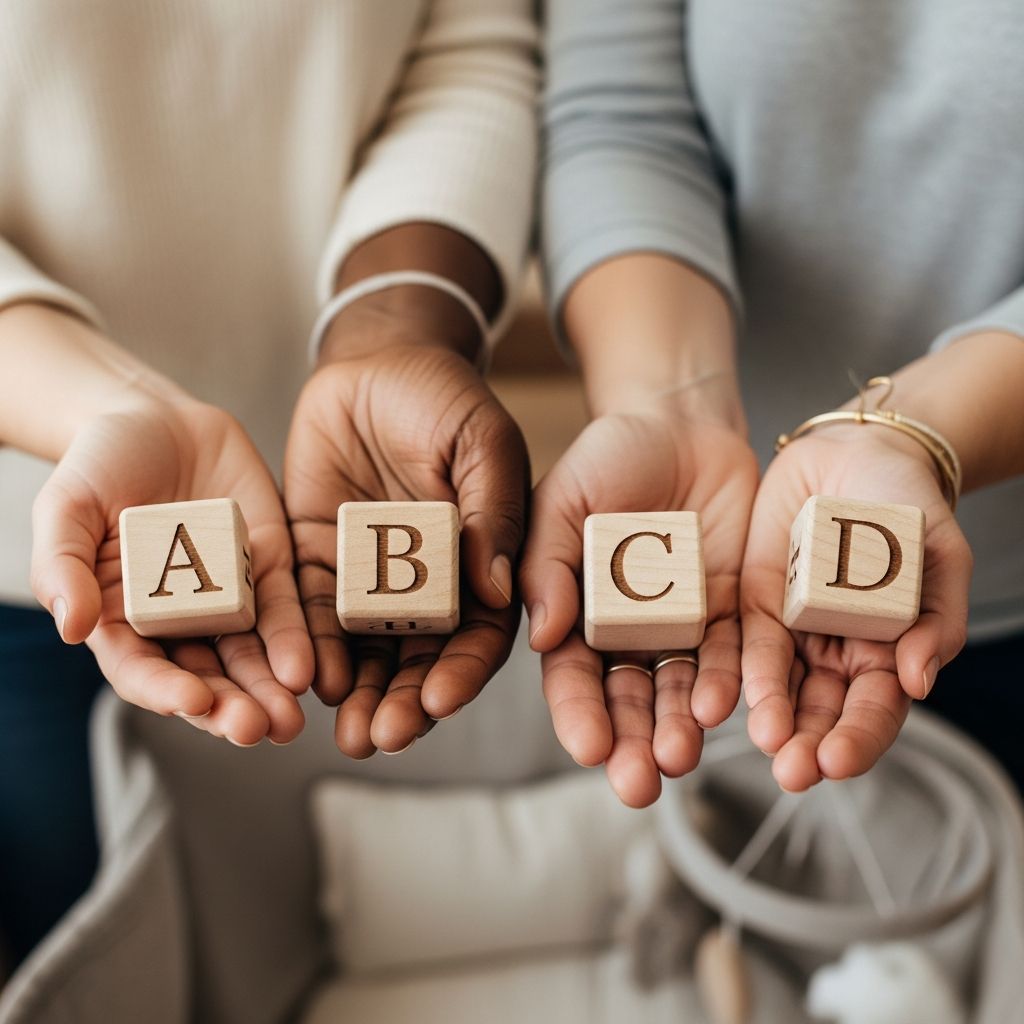
Latino parenting is deeply rooted in cultural values that prioritize family unity, respect for authority, and collective well-being over individual autonomy. These traditions, shaped by heritage from Latin America and adaptation in multicultural settings, often blend high expectations with emotional warmth, fostering resilient children who value community ties.
Core Cultural Pillars Shaping Family Dynamics
At the heart of Latino parenting lie several interconnected cultural constructs that guide daily interactions and long-term child-rearing goals. These values are not rigid rules but evolving frameworks that help families navigate challenges while preserving identity.
- Familismo: This principle elevates the family unit above personal desires, encouraging loyalty, mutual support, and collective decision-making. Parents instill a sense of duty to contribute to family harmony, often through shared activities and prioritizing group needs.
- Respeto: Respect for elders and authority figures is paramount, teaching children to listen attentively, use polite language, and defer to parental wisdom. It builds hierarchical yet affectionate relationships.
- Personalismo: Emphasizing warm, personal connections, this value promotes responsive caregiving that builds trust and emotional bonds between parents and children.
- Simpatia and Caballerismo: Simpatia fosters harmony through agreeableness, while caballerismo highlights positive masculinity traits like chivalry and family protection, influencing fathers’ nurturing roles.
These pillars create a nurturing environment where children learn interdependence, contrasting with more individualistic approaches in other cultures.
Common Parenting Approaches in Latino Households
Latino parents often employ styles that defy simple categorization, blending elements of structure and affection. Research identifies variations influenced by generational status, acculturation, and regional origins.
| Parenting Style | Key Features | Prevalence in Latino Families | Child Outcomes |
|---|---|---|---|
| Authoritative | High warmth + clear boundaries; discussions on choices | Common, especially among U.S.-born or acculturated parents | Higher self-esteem, fewer behavioral issues |
| Authoritarian | High control + low negotiation; emphasis on obedience | More frequent in immigrant families valuing tradition | Compliance but potential aggression if unbalanced |
| Protective | Shielding from failure/harm; gendered expectations | 61% of Latino parents per studies | Security but limited independence |
| Familismo-Driven | Family-centric; collective guidance | Widespread cultural norm | Strong family bonds, loyalty |
Studies show Latino parents score higher on authoritarian values than Caucasian counterparts but frequently incorporate authoritative elements like reasoning. Immigrant parents adapt strategies to new environments, balancing tradition with host-country norms.
The Role of Fathers in Modern Latino Families
Traditionally underrepresented in research, Latino fathers contribute uniquely through cultural lenses. Concepts like caballerismo encourage protective, involved fatherhood, countering machismo stereotypes. Fathers high in personalismo and respeto exhibit more authoritative styles, promoting positive child outcomes.
Research reveals that cultural values predict paternal demandingness and responsiveness. For instance, familismo correlates with greater involvement, while traditional machismo may lead to rigidity. Interventions fostering caballerismo could enhance father-child bonds and family well-being.
Navigating Generational and Acculturation Shifts
As Latino families integrate into diverse societies, parenting evolves. First-generation parents emphasize respeto and obedience, reflecting Latin American norms of unquestioned authority. Second-generation millennial parents often reject “chancla culture”—the use of objects for discipline—opting for dialogue and emotional validation.
Bicultural upbringing is a goal: retaining traditions like family gatherings while embracing independence. This adaptation fosters resilience but can create tensions, such as differing expectations for boys (providers) and girls (nurturers) in protective styles.
Impact on Child Development and Well-Being
Latino parenting influences emotional, social, and behavioral growth. Authoritative approaches link to better self-esteem and fewer conduct problems, while unbalanced authoritarianism may correlate with aggression. Familismo buffers stress, promoting mental health through strong support networks.
Protective parenting offers security but may hinder autonomy, particularly for children facing high societal pressures. Disaggregating data by nativity reveals nuances: U.S.-born Latino children benefit from hybrid styles blending cultures.
Challenges and Opportunities in Contemporary Contexts
Modern Latino parents face economic pressures, discrimination, and media influences challenging traditions. Yet, cultural strengths like familismo provide resilience. Protective tendencies can limit risk-taking, but combined with personalismo, they build confident youth.
Experts recommend culturally sensitive programs emphasizing strengths. For example, promoting caballerismo in fatherhood initiatives or familismo in family therapy.
Practical Strategies for Balanced Latino Parenting
To harmonize tradition and modernity:
- Incorporate daily family rituals like shared meals to reinforce familismo.
- Practice guided autonomy: Set boundaries while explaining reasons, blending respeto with dialogue.
- Foster bicultural competence through bilingual education and cultural celebrations.
- Encourage paternal involvement via caballerismo-inspired activities like mentoring.
- Address gender roles flexibly to promote equality without eroding protective care.
These strategies support healthy development while honoring heritage.
Frequently Asked Questions
What is familismo in Latino parenting?
Familismo prioritizes family loyalty and collective well-being, teaching children to put family needs first through shared support and traditions.
How does respeto affect child-rearing?
Respeto instills politeness and deference to authority, creating structured yet warm environments that value hierarchy.
Are Latino parents mostly authoritarian?
No, while some lean authoritarian, many use authoritative styles with warmth and reasoning, especially in acculturated families.
What is protective parenting?
It shields children from harm and failure, common in 61% of Latino families, with distinct expectations for genders.
How are Latino fathers’ roles evolving?
Fathers embrace caballerismo for nurturing involvement, moving beyond machismo toward responsive parenting.
Does acculturation change parenting styles?
Yes, later generations adopt more authoritative methods, balancing tradition with independence.
This comprehensive look at Latino parenting highlights its richness, offering timeless lessons in family-centered child-rearing adaptable to any background. (Word count: 1678)
References
- Relationships Among Parenting Styles and Latino Adolescent Aggression and Self-Esteem — Liberty University Digital Commons. 2023. https://digitalcommons.liberty.edu/cgi/viewcontent.cgi?article=7096&context=doctoral
- The Influence of Culture on Latino Fathers’ Parenting Styles — University of Chicago Journals. 2022-01-15. https://www.journals.uchicago.edu/doi/full/10.1086/715440
- 2 Controversial Hispanic Parenting Styles: What They Can Teach Us — Spanish Academy Blog. 2023. https://www.spanish.academy/blog/controversial-hispanic-parenting-styles/
- Examining Ethnic Differences in Parenting Styles in Latino and Caucasian Families — UC Davis PCIT. 2012. https://pcit.ucdavis.edu/wp-content/uploads/2012/08/Examining-Latino-parenting-stylesv3.pdf
- Understanding Latino Children and Families’ Well-being Requires Data Disaggregated by Birth — Hispanic Research Center. 2024. https://www.hispanicresearchcenter.org/research-resources/understanding-latino-children-and-families-well-being-requires-data-disaggregated-by-birth-within-or-outside-the-united-states/