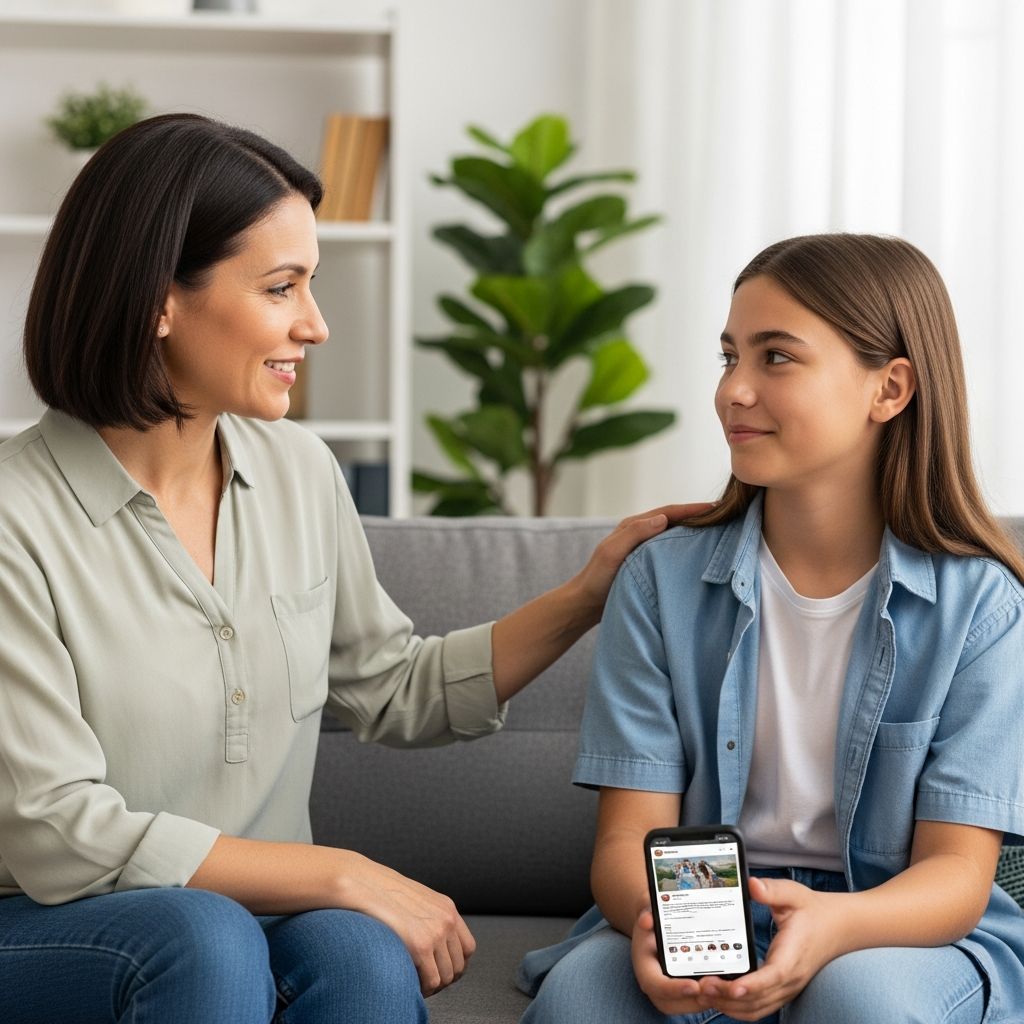
Encountering anger in others can feel overwhelming, whether at home, work, or in public. The right words, delivered with empathy and intention, can transform tension into productive dialogue. This guide explores practical verbal tools rooted in psychological principles to help anyone diffuse high emotions swiftly.
Why Words Matter in High-Emotion Moments
Anger often stems from feeling unheard or disrespected, amplifying conflicts if mishandled. Effective communication shifts focus from blame to understanding, reducing physiological stress responses like elevated heart rates. Research shows that empathetic responses lower cortisol levels, promoting calmer interactions.
Key benefits include preventing escalation, building trust, and modeling healthy emotional regulation. Unlike avoidance or confrontation, targeted phrases validate feelings while steering toward resolution, applicable in parenting, workplaces, or friendships.
Essential Phrases to Acknowledge Feelings
Validation is the cornerstone of de-escalation. When someone vents anger, start by reflecting their emotions to signal you’re listening. This meets their innate need to feel understood without requiring agreement.
- “I can see this is really upsetting you.” This mirrors their state, easing defensiveness by showing awareness.
- “It sounds like you’re frustrated because…” Paraphrasing specifics demonstrates active listening, confirming you’ve grasped their point.
- “I get why you’d feel that way in your shoes.” Empathy bridges gaps, humanizing the exchange without conceding fault.
Use a steady tone and open body language—maintain eye contact, nod, and avoid interruptions. These phrases relieve emotional pressure, often dissipating anger after 2-3 exchanges.
Redirecting Focus to Solutions
Dwelling on past events fuels blame; pivoting to the future empowers collaborative problem-solving. This technique reframes anger as a shared challenge, fostering hope over helplessness.
- “What can we do next time to make this better?” Invites input, shifting from ‘what went wrong’ to actionable steps.
- “Let’s figure out a way forward together.” Emphasizes partnership, reducing isolation.
- “How would you like to handle this moving ahead?” Empowers them, boosting buy-in for resolutions.
Pair with pauses: After venting, ask “Anything else?” repeatedly until silence falls, signaling decompression. This clears the emotional backlog before solution talk.
Using ‘I’ Statements for Mutual Respect
To express your side without accusation, ‘I’ statements own feelings while clarifying needs. They prevent defensiveness, promoting assertiveness over aggression.
| Situation | Accusatory Phrasing | Effective ‘I’ Statement |
|---|---|---|
| Interruption during talk | “You always cut me off!” | “I feel unheard when interrupted, as listening matters to me.” |
| Delayed response | “You’re ignoring me!” | “I feel anxious waiting, and I’d appreciate a quick update.” |
| Misunderstanding | “You don’t get it!” | “I felt confused by that; can you explain your view?” |
These maintain calm, set boundaries implicitly, and invite clarification.
Non-Verbal Cues That Amplify Your Words
Words alone falter without supportive body language. Relaxed posture, soft voice, and attentive nods convey safety, enhancing verbal impact.
- Maintain comfortable distance; avoid invading space.
- Speak slowly with pauses, matching their pace as they unwind.
- Mirror positive cues subtly to build rapport.
Studies indicate non-verbal signals account for 55% of communication effectiveness in tense scenarios, making them indispensable.
Techniques for Specific Scenarios
With Children or Family
Parents face frequent outbursts. Validate first: “You’re mad because playtime ended abruptly.” Then redirect: “What game can we plan next?” This teaches emotional literacy alongside calm.
In Professional Settings
Colleagues or clients may erupt over deadlines. Acknowledge: “This delay is understandably aggravating.” Propose: “How can we adjust to meet your needs?” Boundaries follow if needed: “Let’s keep this respectful for progress.”
Public or Stranger Encounters
For road rage or service disputes, brevity rules: “I hear your frustration.” Offer solutions if possible, or disengage safely: “I’ll step back to cool off.” Prioritize safety.
Self-Regulation Before Responding
Your composure sets the tone. Pause for deep breaths or a mental count to ten, processing triggers. Journaling post-event refines responses over time.
Practice equal listening: Refocus if planning rebuttals, summarizing their view to confirm understanding. This reciprocity de-escalates bidirectionally.
Long-Term Strategies for Anger-Prone Relationships
Recurring anger signals deeper issues. Establish norms like scheduled check-ins using these phrases. Encourage mutual ‘I’ statements and boundary-setting for sustained harmony.
- Weekly reflections: “What frustrated you this week?”
- Role-reversal exercises to build empathy.
- Professional mediation if patterns persist.
Frequently Asked Questions (FAQs)
What if the angry person won’t stop talking?
Employ the ‘Anything else?’ loop until they exhaust vents, then gently pivot to solutions. Patience signals respect.
Do I have to agree with them?
No—acknowledge feelings and perspective without endorsement. “I understand why you see it that way” suffices.
How quickly does this work?
Often within minutes, as validation drops threat levels. Consistency yields faster results long-term.
What about physical aggression?
Prioritize safety: Create distance, alert authorities if needed. Verbal tools suit non-violent scenarios.
Can these help my own anger?
Yes—self-apply ‘I’ statements and pauses to communicate assertively, turning inward rage outward productively.
Building a Calmer World One Conversation at a Time
Mastering these phrases equips you for life’s inevitable frictions. Practice in low-stakes moments to internalize them, yielding resilient relationships. Anger unmanaged erodes bonds; words wielded wisely mend them.
References
- How to Talk to an Angry Person — The Kevin Eikenberry Group. Accessed 2026. https://kevineikenberry.com/communication-interpersonal-skills/three-ways-to-deal-with-an-angry-person/
- Healthy Communication Skills in Anger Management — Second Story Counseling. Accessed 2026. https://secondstorycounseling.com/coping-with-conflict-healthy-communication-skills-in-anger-management
- Managing and Expressing Our Anger in Healthy Ways — Relationships Victoria. 2023-07-31. https://www.relationshipsvictoria.org.au/news/managing-and-expressing-our-anger-in-healthy-ways-230731/
- Communication Strategies for Angry Patients — Ambula Healthcare. Accessed 2026. https://www.ambula.io/communication-strategies-for-angry-patients/
- Coping with Conflict: Healthy Communication Skills in Anger Management — True Counseling. Accessed 2026. https://truecounseling.com/coping-with-conflict-healthy-communication-skills-in-anger-manegment-for-clients-in-west-omaha-ne/
- How to Communicate Your Anger in an Effective Way — Wondermind. Accessed 2026. https://www.wondermind.com/article/how-to-express-anger/