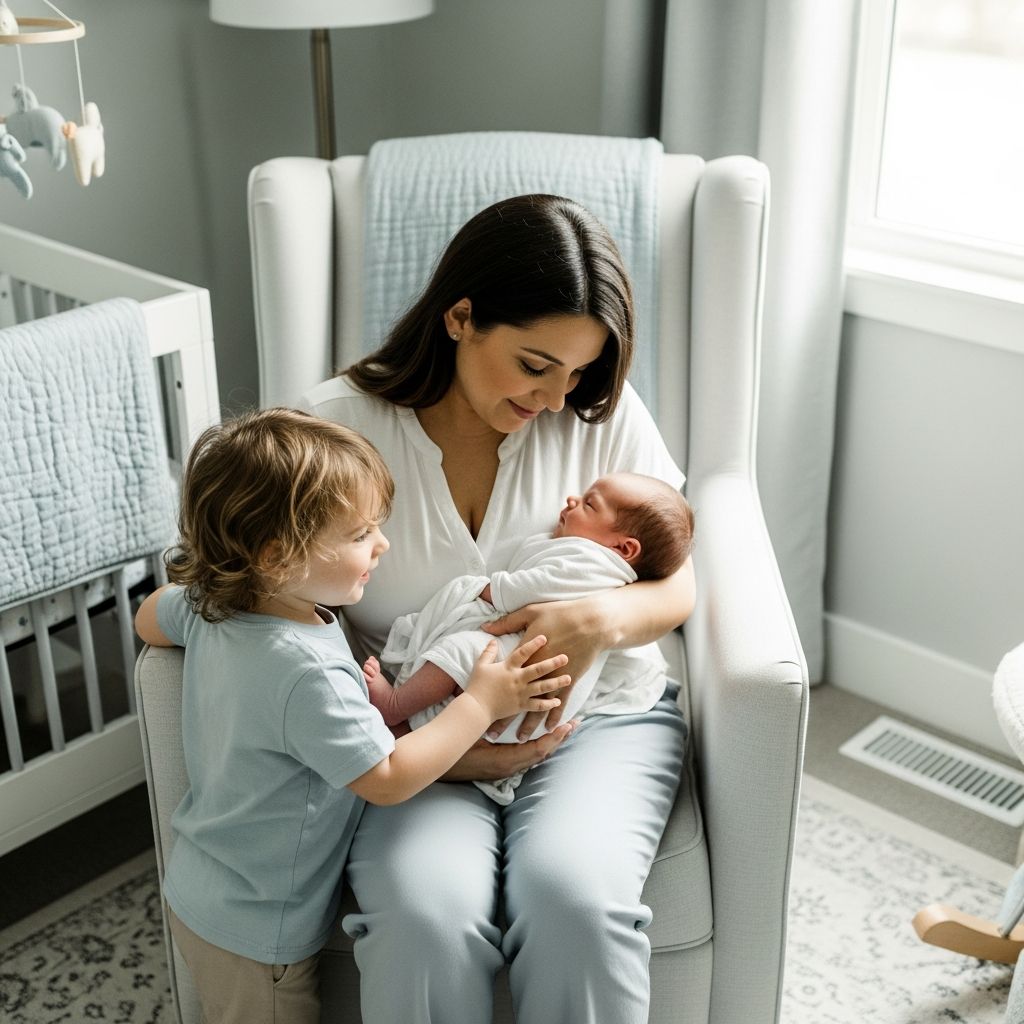
Welcoming a second child brings a mix of excitement and apprehension for many parents. Drawing from shared experiences, this article reveals how prior parenting knowledge turns potential hurdles into manageable steps, fostering greater family harmony and personal ease.
Building Confidence from First-Time Lessons
One of the greatest gifts of a second pregnancy is the confidence gained from navigating the first. New parents often grapple with uncertainty about every cry or feeding, but repeat parents approach these moments with proven strategies. This shift allows for more intuitive decisions, reducing stress and enhancing bonding.
Studies show that parental self-efficacy increases significantly with subsequent children, leading to calmer home environments. Second babies often appear more settled, possibly mirroring their parents’ relaxed demeanor. This confidence extends to daily routines, making mealtimes and bedtimes smoother than anticipated.
- Key Benefit: Less second-guessing fosters quicker problem-solving.
- Practical Tip: Reuse successful routines from baby one, adapting as needed.
- Outcome: Families report higher satisfaction levels post-second birth.
Embracing Infinite Family Love
A top concern is whether there’s enough love for another child. Parents fear their first child’s affection might diminish or that the new baby won’t measure up emotionally. In reality, hearts expand remarkably; many describe love multiplying rather than dividing.
This emotional growth benefits everyone. Older siblings often step into nurturing roles, strengthening bonds. Parents find unique joys in each child’s personality, creating a richer family tapestry. Experience teaches that love isn’t a finite resource but one that deepens with time and interaction.
| Fear | Reality | Example |
|---|---|---|
| Divided attention | Multiplied joy | Sibling playdates become natural entertainment |
| Less one-on-one time | New bonding opportunities | Shared family activities build collective memories |
| Jealousy outbreaks | Growth through empathy | Older child learns sharing via gentle guidance |
Navigating Sleep and Routine Realities
Sleep deprivation looms large, yet second-timers prioritize recovery differently. Knowing patterns from the first child helps predict and prepare. Investments like quality sleep aids or flexible schedules pay off, turning nights into manageable phases rather than endless battles.
Parents advocate fully utilizing maternity or paternity leave, avoiding early returns to work. This extended rest period aids physical healing and mental recharge, setting a positive tone for family life. Hands-free pumping gear and efficient nursing setups also streamline breastfeeding, often easier the second time due to familiarity.
- Stock up on reliable night-time essentials early.
- Alternate night duties with partners for shared load.
- Embrace co-sleeping safely if it suits your family.
Handling Sibling Dynamics Gracefully
Integrating a newborn with a toddler tests patience but yields profound rewards. Initial jealousy fades as the older child gains helper status, from fetching diapers to singing lullabies. Preparation through books and role-play eases transitions, turning potential rivalry into alliance.
Families note that second babies self-soothe more readily, freeing moments for toddler engagement. Structured playtimes and consistent praise reinforce positive interactions. Over time, siblings develop independence, reducing parental overload and sparking mutual entertainment.
Common strategies include:
- Daily ‘big kid’ special time without baby interruptions.
- Involve older child in baby care for ownership feelings.
- Celebrate milestones together to build team spirit.
Strengthening Immunity Amid Germ Exposure
Preschool attendance introduces relentless viruses, catching families off-guard. Toddlers bring home sniffles that cascade to newborns, disrupting sleep and plans. Yet, this exposure builds long-term resilience, with households adapting through hygiene routines and immune supports.
Second-time parents stock vitamin regimens and probiotics, prioritizing consistency despite chaos. Newborns weather illnesses better under vigilant care, and experience hones quick symptom recognition. This phase passes, leaving robust health foundations for all.
| Challenge | Strategy | Benefit |
|---|---|---|
| Frequent colds | Handwashing stations | Reduces spread by 30-50% |
| Sleep disruptions | Separate sick zones | Preserves rest for healthy members |
| Mood impacts | Family immune boosts | Enhances overall resilience |
Financial and Logistical Smart Shifts
Budgets stretch thinner with added needs, but savvy reuse of gear cuts costs. Thrift stores and hand-me-downs provide quality without excess. Parents set clear financial talks with partners, embracing frugality as empowerment rather than sacrifice.
Logistics improve via streamlined packing and multi-tasking tools. Car seats install faster, diaper changes multitask with toddler supervision. Experience reveals essentials, decluttering life for focus on relationships over possessions.
Self-Care in the Chaos
Personal time shrinks, yet carving brief escapes rejuvenates. A solo grocery run or coffee break restores perspective. Partners and support networks enable these breaks, preventing burnout. Second-timers value pediatrician calls freely, banishing the ‘should know everything’ myth.
Prioritizing mental health through journaling or walks sustains energy. This self-awareness models balance for children, creating healthier family dynamics long-term.
Pregnancy and Birth Perspective
Pregnancies differ, with second often feeling swifter due to busier lives. Fears of labor recur, but muscle memory and birthing plans ease minds. Postpartum recovery benefits from proactive rest, contrasting first-time exhaustion.
- Trust body knowledge from prior birth.
- Prepare sibling involvement in hospital visits.
- Line up meal trains for early weeks.
Frequently Asked Questions (FAQs)
Will I love my second child as much?
Absolutely—love expands uniquely for each child, often feeling doubled in joy.
How to manage toddler jealousy?
Daily one-on-one time and involving them in baby care builds security.
Is breastfeeding easier second time?
Yes, familiarity typically smooths the process, though each baby varies.
What about constant illnesses?
Boost immunity with routines; it builds family resilience over time.
Can I take full maternity leave?
Yes, maximize it for recovery—it’s a vital investment.
How to budget for two kids?
Reuse gear, thrift wisely, and communicate openly with partners.
References
- Concerns for parents about having a second child — COPE. 2023. https://www.cope.org.au/pregnancy/pregnant/concerns-for-second-time-parents
- 5 Things I Won’t Skimp on With the Second Baby — Parent.com. 2017-05-01. https://www.parent.com/blogs/conversations/2017-5-things-wont-skimp-second-baby
- 7 very real fears every mom has about having a second kid — Today’s Parent. 2023. https://www.todaysparent.com/family/family-life/very-real-fears-about-having-a-second-baby/
- The Biggest (Unspoken) Challenge of Baby #2 — Needed. 2023. https://thisisneeded.com/blogs/postpartum/the-hardest-part-about-baby-2-that-nobody-talks-about-1
- 5 Things You Don’t Need to Worry About During Your Second Pregnancy — The Realistic Mama. 2023. https://www.therealisticmama.com/worry-about-during-second-pregnancy/