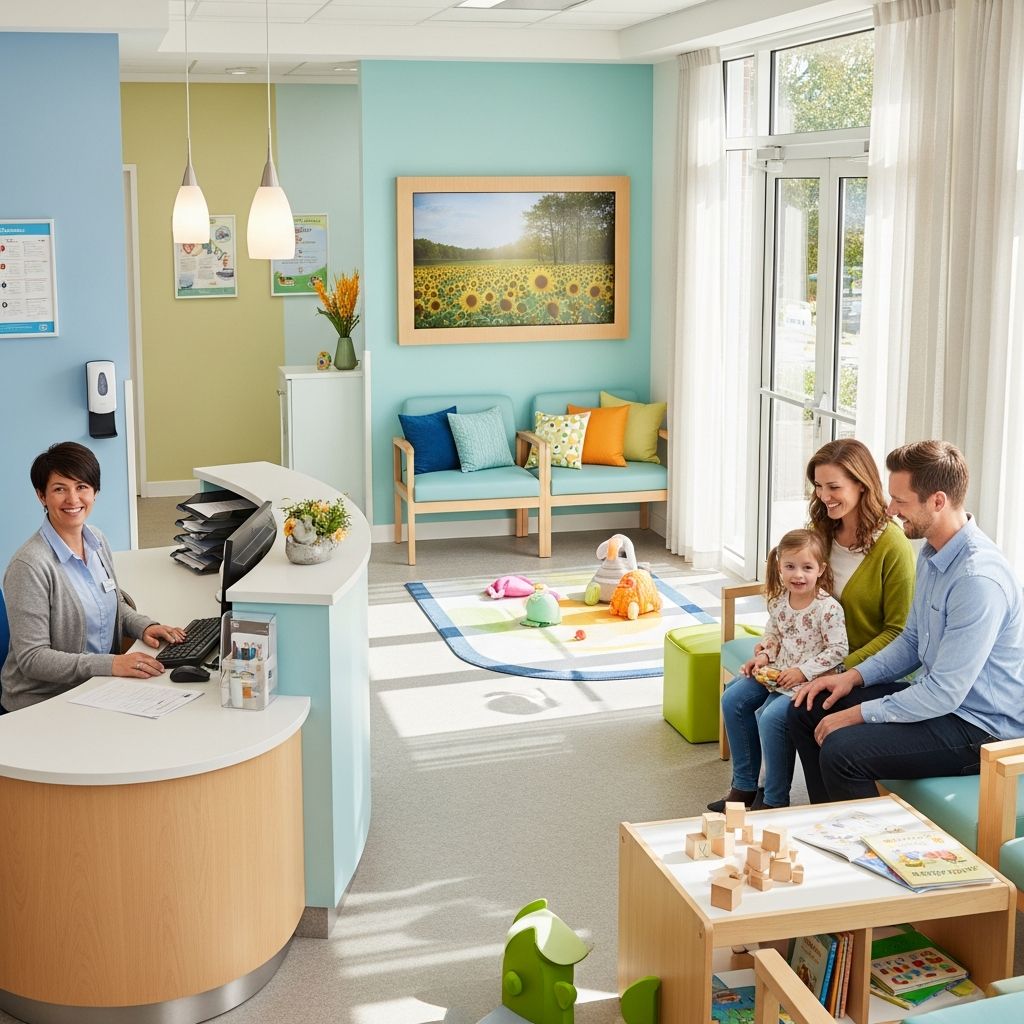
Understanding Modern Pediatric Office Environments
The landscape of children’s healthcare has undergone significant transformation in recent years. Pediatric practices across the country have restructured their operations, implemented new safety protocols, and embraced technological innovations to serve families more effectively. These changes reflect a comprehensive approach to protecting children, staff, and parents while maintaining the quality of medical care that children deserve. Understanding what to expect when visiting a pediatrician’s office today helps parents prepare for appointments and feel confident about their child’s safety during healthcare visits.
The Expansion of Remote Healthcare Services
One of the most notable transformations in pediatric medicine is the widespread adoption and integration of telehealth services. Virtual office visits have become a standard option rather than an exception, allowing families to access pediatric care from the comfort of their homes. This expansion serves multiple purposes: it provides convenience for routine consultations, reduces potential exposure risks for vulnerable populations, and accommodates families with scheduling challenges or transportation limitations.
Telehealth visits work well for specific types of appointments. Pediatricians can conduct follow-up consultations after initial in-person examinations, address minor concerns that don’t require physical examination, discuss laboratory results or medication effectiveness, and provide guidance for managing common childhood illnesses. Parents benefit from reduced travel time and the ability to keep sick children at home while still receiving professional medical advice. However, certain evaluations such as physical examinations, immunizations, and assessments of acute symptoms still require in-person visits to ensure comprehensive care.
The integration of virtual care has also improved continuity of care and accessibility. Families in rural areas or those with limited access to transportation can maintain regular contact with their pediatrician. Follow-up appointments for chronic condition management can occur more frequently without significant burden on families, leading to better health outcomes and earlier intervention when problems arise.
Structural Modifications to Clinical Spaces
Physical spaces within pediatric offices have undergone thoughtful redesign to support distinct types of visits. Many practices now maintain separate clinical areas and waiting zones designated specifically for well-child visits—routine check-ups, immunizations, and preventive care—compared to areas used for acute or sick visits. This separation serves a critical purpose: it minimizes potential cross-contamination between children seeking preventive care and those presenting with infectious symptoms.
The architectural modifications extend beyond simple room separation. Pediatric offices have reconfigured waiting areas to increase spacing between seating, installed barriers between reception desk areas and waiting rooms, and enhanced air filtration systems throughout the facility. Some practices have designated specific appointment time slots for well visits in the morning hours and reserved afternoon slots for acute care, further reducing the likelihood of sick and healthy children encountering one another in common areas.
These structural changes reflect evidence-based approaches to infection prevention while maintaining efficient patient flow. Parents arriving for immunizations or developmental screenings can feel assured that the physical environment has been deliberately designed to protect their children from exposure to acute illnesses.
Enhanced Infection Control and Safety Protocols
Pediatric practices have implemented comprehensive infection control measures that go beyond traditional protocols. Enhanced cleaning and disinfection procedures now occur more frequently throughout the day, with particular attention to high-touch surfaces such as doorknobs, light switches, examination table railings, and waiting room furniture. Many offices use hospital-grade disinfectants and cleaning schedules that have been validated for effectiveness against various pathogens.
Staff training on infection prevention has intensified significantly. Pediatric office personnel receive regular education on proper use of personal protective equipment, appropriate hand hygiene techniques, and emerging best practices in disease prevention. Many practices conduct competency assessments and refresher training sessions to ensure consistent adherence to safety protocols.
Screening procedures have become standard components of the appointment process. Parents and children may be asked screening questions before arrival through pre-visit surveys or telephone check-ins. Upon arrival, many offices conduct brief health assessments that may include temperature checks and symptom questioning. These protocols help identify potential concerns before patients enter the main clinical areas and allow practices to reschedule acute cases if appropriate.
Ventilation improvements represent another significant investment many pediatric offices have made. Enhanced HVAC systems with improved filtration, increased air exchange rates, and better humidity control create healthier indoor environments. Some practices have installed portable HEPA filtration units in critical areas to further reduce airborne transmission risks.
Modified Appointment Scheduling and Wait Management
The traditional model of pediatric office scheduling has evolved considerably. Rather than scheduling appointments back-to-back with overlapping patient populations in waiting areas, many practices now stagger appointments to reduce crowding. Extended time slots between visits allow for thorough cleaning and disinfection of examination rooms and surfaces.
Many offices now recommend that only the sick child and one parent attend appointments, rather than bringing siblings or extended family members. This policy reduces the number of people in the office, minimizes infection transmission risks, and makes the visit more efficient for clinical staff. For families with multiple children needing care, practices often coordinate appointments strategically or provide guidance on scheduling.
Check-in procedures have been streamlined in many locations. Rather than gathering at a central reception desk, families may be directed to check in electronically through tablets or mobile devices, or representatives may meet families near the entrance to complete paperwork. These modifications reduce congregation in reception areas and accelerate the intake process.
Communication Enhancements and Parent Education
Pediatric practices have expanded their communication strategies with families. Pre-visit information packets now often include specific instructions about what to expect during appointments, policies regarding parent presence during visits, and information about available services. Clear communication helps parents understand new procedures and reduces anxiety about office visits.
Many practices provide detailed information about their current protocols through their websites, patient portals, and direct contact with families. Transparency about safety measures and operational changes builds confidence and demonstrates the practice’s commitment to protecting patient wellbeing. Some practices record educational videos or create visual guides showing families what to expect upon arrival and during their visit.
Patient education regarding preventive care has also been enhanced. Pediatricians spend time discussing age-appropriate health behaviors, nutrition, physical activity, mental health, and injury prevention. The expansion of telehealth has actually increased opportunities for educational conversations, as follow-up visits can focus specifically on health coaching and preventive guidance rather than clinical assessment alone.
Specialized Services and Referral Pathways
As pediatric practices have restructured, many have clarified their approach to specialized services and referral coordination. Some offices have developed formal pathways for children who require additional evaluation, such as cardiology assessment following specific illnesses or developmental screening when concerns arise. Clear referral protocols help families understand next steps and facilitate communication between different healthcare providers.
Some pediatric practices have expanded or developed relationships with specialists to streamline care coordination. Rather than providing only referrals, practices may facilitate appointments, share clinical information electronically, and ensure follow-up on specialist recommendations. This integrated approach improves outcomes for children with complex healthcare needs.
Mental health services and behavioral health screening have become more integrated into many pediatric practices. Recognizing the impact of recent years on children’s emotional wellbeing, many practices now routinely screen for anxiety, depression, and other behavioral concerns and have established referral relationships with mental health professionals.
Staffing Considerations and Practice Management
Pediatric office staffing has been adjusted in many practices to accommodate new operational requirements. Enhanced cleaning and disinfection protocols require additional personnel or restructured roles for existing staff. Clinical staff responsibilities may have shifted to include more pre-screening activities and infection prevention duties. Many practices have provided training to all staff members regarding new procedures and their importance in protecting vulnerable populations.
Administrative staffing may have increased to manage the additional coordination required for separate well and sick visit scheduling, enhanced communication with families, and increased telehealth support. These operational changes, while sometimes requiring additional resources, ultimately support improved patient outcomes and staff satisfaction by creating clearer workflows and reducing confusion about procedures.
Insurance and Access Considerations
Changes in pediatric office operations have also intersected with insurance and access issues. Many insurance plans have expanded coverage for telehealth services, making virtual visits more affordable for families. Co-pay structures and coverage policies for virtual care have evolved, though families should verify their specific coverage before scheduling appointments.
Financial assistance programs and sliding scale fee options have expanded in some practices to ensure that operational changes don’t create barriers to care. Pediatricians recognize that access to preventive care is essential and have worked to address financial obstacles when possible.
Frequently Asked Questions About Pediatric Office Visits
Q: Should I schedule a telehealth or in-person visit for my child’s annual check-up?
A: Annual well-child visits typically require in-person appointments because they include physical examination, vital sign measurement, and immunizations. However, some practices may conduct initial or follow-up consultations virtually. Contact your pediatrician’s office to confirm what can be addressed virtually versus what requires an in-person visit.
Q: What should I do if my child is sick and needs to be seen?
A: Call your pediatrician’s office first to describe symptoms. The office staff can advise whether your child needs an immediate in-person visit, can be evaluated through telehealth, or should be seen at an urgent care facility. Calling first allows the practice to schedule appropriately and protect other patients.
Q: Can I bring my other children to my child’s appointment?
A: Many practices now request that only the child being seen and one parent attend appointments. This policy reduces crowding and infection transmission. If you must bring other children, contact the office in advance to discuss options.
Q: What’s the purpose of screening questions before appointments?
A: Screening helps identify potential health concerns before your child enters the office. If your child is acutely ill with certain symptoms, the practice may recommend a different appointment time or location to protect other patients and ensure your child receives appropriate care quickly.
Q: How long should I expect appointments to take now?
A: Appointments may take slightly longer due to enhanced check-in procedures and more thorough cleaning between visits. Plan to arrive 10-15 minutes early to allow time for any pre-visit screening or paperwork.
Q: Are well-child visits as important as before?
A: Yes, absolutely. Well-child visits remain crucial for monitoring healthy development, providing immunizations, screening for emerging concerns, and establishing baseline health information. These visits support your child’s long-term health and wellness.
References
- Pediatricians Reinforce COVID-19 Guidance for Kids Returning to Sports and Physical Activity — Common Ground Health. 2020. https://commongroundhealth.org/news/articles/pediatricians-reinforce-covid-19-guidance-for-kids-returning-to-sports-and-physical-activity
- CMA Guidelines for Reopening Health Care Systems — California Medical Association. 2020. https://www.alamedahealthsystem.org/wp-content/uploads/2020/05/2020-05-21-QPSC-C-Chair-Articles.pdf
- AAP Guidance on School Reopening — American Academy of Pediatrics. 2020. https://publications.aap.org/aapnews/news/6689/AAP-guidance-on-school-reopening-addresses
- What Reopening Means for Childcare in Philadelphia — Philadelphia Department of Health. 2020. https://www.phila.gov/2020-06-24-what-reopening-means-for-childcare-in-philadelphia/
- Pediatric Surgical Reentry Strategy Following the COVID-19 Pandemic — National Center for Biotechnology Information. 2023. https://pmc.ncbi.nlm.nih.gov/articles/PMC9841456/
- FAQ: Reopening Doors to Child Care Safely — PolicyLab, Children’s Hospital of Philadelphia. 2020. https://policylab.chop.edu/tools-and-memos/faq-reopening-doors-child-care-safely