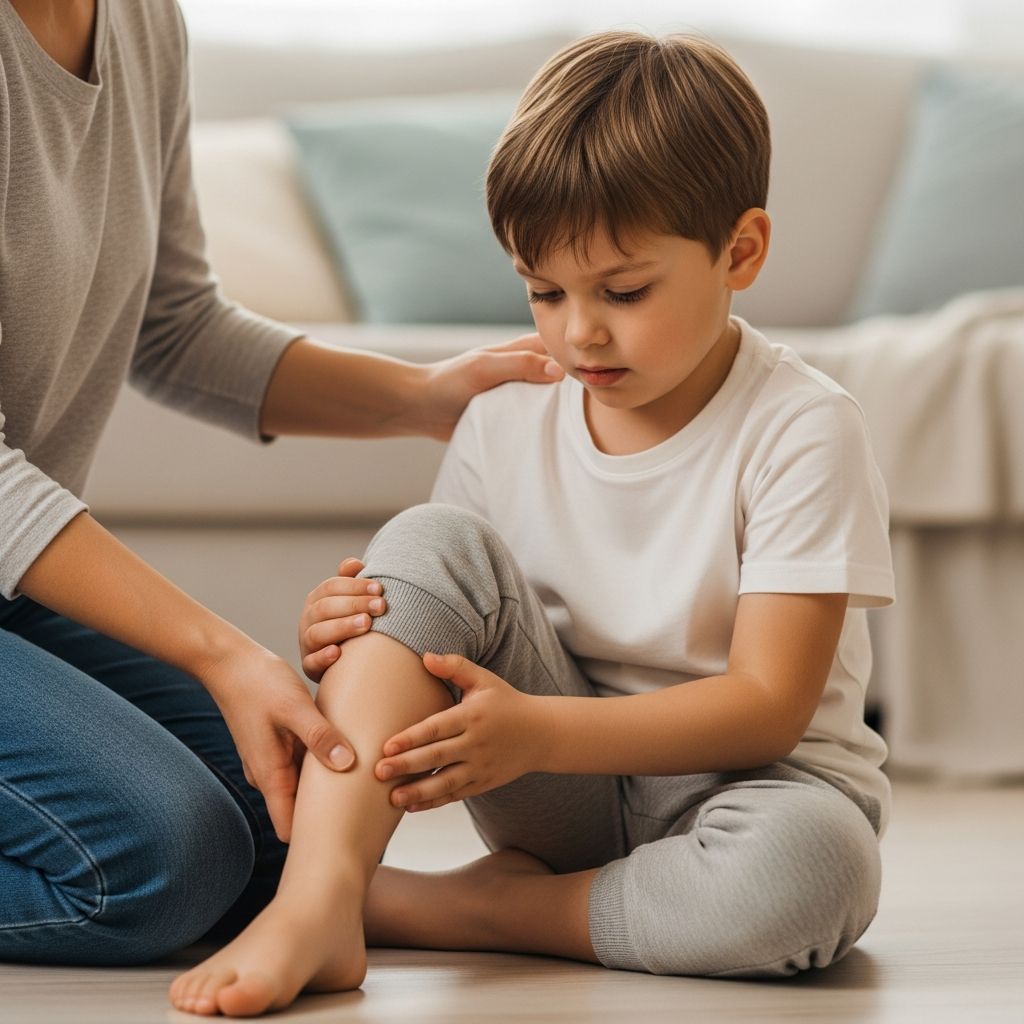
Regular medical wellness visits are a cornerstone of pediatric healthcare, providing opportunities for healthcare providers to monitor your child’s physical growth, developmental progress, and overall health status. These appointments go far beyond simply checking if your child is sick—they represent a proactive approach to healthcare that emphasizes prevention, early detection, and family health education. Understanding what occurs during these visits can help you prepare your child mentally and physically, ensuring a smoother experience and more productive conversation with your pediatrician.
The Foundation of Preventive Pediatric Care
Wellness visits serve as the backbone of preventive healthcare for children. Unlike sick visits where concerns are reactive, wellness appointments allow pediatricians to establish baseline measurements, track trends over time, and identify potential health concerns before they become serious problems. These visits are designed to be comprehensive examinations that assess multiple dimensions of your child’s wellbeing, from physical development to behavioral and emotional health. The frequency of these visits decreases as children age, with infants and toddlers requiring more frequent appointments due to the rapid pace of their development during these critical early years.
Parents should view these appointments as collaborative opportunities. By actively participating in discussions and sharing observations about your child’s behavior, eating habits, sleep patterns, and social interactions, you provide invaluable information that helps your pediatrician develop a complete picture of your child’s health status. This partnership between parents and healthcare providers is essential for optimal outcomes.
Initial Assessment and Medical History
Every wellness visit begins before the physical examination takes place. Your pediatrician will conduct a thorough review of your child’s medical history, asking detailed questions about any recent illnesses, injuries, allergies, medication usage, or behavioral changes. If this is your first visit with a particular pediatrician, expect to provide extensive background information including birth history, vaccination records, previous medical conditions, and family health history.
The medical history portion serves multiple purposes. It allows the pediatrician to understand your child’s baseline health status, identify any patterns or recurring concerns, and assess risk factors that may be inherited or influenced by family genetics. Additionally, your healthcare provider may ask about your child’s daily routines, including sleep schedules, eating patterns, physical activity levels, and screen time. These lifestyle factors increasingly influence childhood health outcomes and deserve careful discussion.
Vital Signs and Growth Measurements
A critical component of every wellness visit involves measuring and recording vital signs and growth parameters. These objective measurements provide essential data that pediatricians use to track your child’s development over time and identify any abnormalities that warrant further investigation.
Key Measurements Performed
- Height and Length: Height is measured at every visit and compared to previous measurements to assess growth rate. For infants and young toddlers unable to stand independently, length is measured while lying down.
- Weight: Body weight is recorded at every appointment and plotted on growth charts to ensure your child is gaining weight appropriately for their age.
- Head Circumference: For children under two years of age, head circumference is measured at every visit to ensure the brain is developing properly and the skull is growing as expected.
- Blood Pressure: Blood pressure measurement becomes a standard part of wellness visits as children grow, with measurements typically beginning around age three. Elevated blood pressure in children can indicate underlying health concerns requiring further evaluation.
- Body Mass Index (BMI): Starting at age two, pediatricians calculate BMI from height and weight measurements to assess whether a child’s body composition is appropriate for their age and size.
Beyond individual measurements, these vital signs are plotted on standardized growth charts that allow pediatricians to compare your child’s development to age-matched peers. Your healthcare provider will discuss whether your child is tracking along their expected growth curve or whether any measurements fall outside typical ranges that might warrant concern.
Comprehensive Physical Examination
The physical examination component of a wellness visit is thorough and systematic, examining different body systems to identify any abnormalities or areas of concern. Your pediatrician will use various examination techniques to assess your child’s overall physical health.
Examination Techniques and Areas Covered
Pediatricians employ several standardized examination methods during the physical assessment. Auscultation involves listening to your child’s heart, lungs, and stomach using a stethoscope to detect any unusual sounds that might indicate problems. The heart exam focuses on detecting murmurs or irregularities in heart rhythm. Percussion involves gently tapping on different areas of the body to assess the density of organs and tissues underneath. Palpation means gently pressing on the abdomen and other areas to feel for abnormalities, tenderness, or unusual masses.
The examination also includes assessment of specific body areas. Your pediatrician will inspect the eyes, ears, nose, and throat, looking for signs of infection, inflammation, or structural abnormalities. They will examine the skin for rashes, birthmarks, or other dermatological concerns. The spine is assessed for proper alignment and any curvature abnormalities. Your pediatrician will check bones, joints, and muscles to ensure proper development and function, and will assess muscle tone and reflexes to evaluate neurological development.
During the physical examination, your child’s underwear remains on except when the genital area requires assessment, which is done respectfully and efficiently. Your pediatrician will evaluate the genital area for any signs of infection, unusual development, or other concerns, noting whether development appears age-appropriate.
Sensory Assessments and Screening Tests
Identifying sensory or developmental issues early is crucial for ensuring your child receives appropriate interventions if needed. Wellness visits include multiple screening tests designed to detect problems with vision, hearing, and overall development.
Vision and Hearing Evaluations
Vision screening methods vary by age. For young children around three years old, vision may be assessed using specialized apps that photograph the eyes to detect refractive errors or other abnormalities. Older children typically use standard eye charts, identifying pictures or letters while one eye is covered at a time. Hearing screening involves presenting tones at various volumes through a handheld device or earphones, with children indicating which sounds they can hear by raising their hand or providing other responses.
Developmental and Behavioral Screening
Developmental assessment is one of the most important components of pediatric wellness visits. Developmental surveillance occurs at every visit, with your pediatrician observing how your child moves, behaves, interacts with parents, and plays. Your healthcare provider will ask you questions about your child’s abilities and milestones to track physical, mental, emotional, social, and behavioral growth.
Developmental screening questionnaires provide more structured assessment, with parents answering written questions about whether their child is on track developmentally or may be experiencing delays. When appropriate, autism spectrum screening helps identify any unusual behavioral patterns, language delays, or social interaction difficulties that might warrant further evaluation. Additionally, psychosocial and behavioral assessments allow pediatricians to understand your child’s emotional wellbeing, self-perception, relationships with peers, and any signs of anxiety or behavioral concerns.
Age-Specific and Specialized Health Screenings
Beyond the standard components of every wellness visit, pediatricians may recommend various specialized screening tests based on your child’s age, health history, and risk factors. These screenings help identify conditions that may not be apparent during routine examination.
Newborn blood screening tests for several genetic conditions and metabolic disorders before babies leave the hospital or by two months of age. Critical congenital heart defect screening measures oxygen levels in newborn blood, as low levels may indicate heart problems requiring specialized care. Anemia screening through blood tests helps identify iron deficiency that could affect development and learning. Lead exposure screening tests for environmental lead exposure that could impair cognitive development, particularly important in older homes or certain geographic areas.
As children reach adolescence, screening expands to address emerging health concerns. Dyslipidemia screening includes blood tests for cholesterol and triglycerides that could indicate future cardiovascular risk. For sexually active adolescents, screening for sexually transmitted infections and HIV involves discussing sexual history and potentially performing urine tests, genital swabs, or blood tests based on clinical judgment. For young women who have begun sexual activity, cervical dysplasia screening through Pap tests may be recommended within three years of sexual activity onset.
Immunizations and Vaccination Updates
Wellness visits provide essential opportunities to administer and update immunizations according to the recommended pediatric vaccination schedule. Vaccines protect children from serious, potentially life-threatening diseases such as measles, polio, pertussis, and many others. Your pediatrician will review your child’s vaccination record and administer any vaccines that are due based on your child’s age and health status.
If your child expresses concern about vaccines, reassure them that these immunizations help protect them from becoming seriously ill. Your pediatrician can discuss the importance of vaccinations and address any specific concerns or questions you or your child may have about vaccine safety and necessity.
Health Education and Guidance
Beyond examination and testing, wellness visits provide valuable opportunities for health education and preventive counseling. Your pediatrician will discuss topics relevant to your child’s age and developmental stage, including proper nutrition, appropriate physical activity levels, and accident prevention strategies.
For younger children, discussions may focus on introducing healthy foods, establishing consistent sleep routines, and beginning safe play habits. For school-age children, topics might include sports safety, sun protection, and healthy snacking. For adolescents, conversations often expand to include topics like fitness, nutrition for growth and development, and mental health awareness.
Your pediatrician will also discuss age-appropriate safety measures, from the importance of wearing bike helmets and buckling up in cars to water safety and internet safety for older children. These conversations provide opportunities to reinforce healthy habits and safety practices that protect your child’s wellbeing.
Preparing Your Child for a Wellness Visit
Helping your child feel comfortable and prepared for their wellness visit can lead to a more positive experience. For young children, using toy doctor kits to practice “check-ups” at home can familiarize them with examination procedures and reduce anxiety. Explain to your child in age-appropriate language what will happen during the visit, using positive language about the doctor helping to keep them healthy.
Ensure your child is dressed in clothing that can be easily removed if needed for the physical examination. Consider timing the appointment when your child is typically well-rested and in a good mood if possible. Bring any medical records or vaccination documentation if this is your first visit with a particular pediatrician.
What Happens When You Arrive
Upon arrival, you will check in at the front desk with your child’s insurance and identification information. A nurse or medical assistant will bring you and your child to an examination room, where they will take your child’s height, weight, and vital signs, and ask preliminary questions about your child’s current health and any recent concerns. Your pediatrician will then knock before entering, introduce themselves, and begin the comprehensive visit assessment.
Frequently Asked Questions
How often should my child have wellness visits?
The frequency of wellness visits decreases as children age. Infants typically have multiple visits within their first year, toddlers usually see their pediatrician annually or twice yearly, and school-age children and adolescents generally have yearly wellness visits, though some may be seen more frequently depending on health status.
What should I tell my pediatrician about my child’s development?
Share specific observations about your child’s abilities, milestones, behaviors, social interactions, speech development, and any concerns you have noticed. Parents often know their children better than anyone and can provide valuable information about changes or delays the doctor might not observe during a brief visit.
Will my child need blood tests at every wellness visit?
Not necessarily. Blood tests and other laboratory tests are ordered based on your child’s age, health history, and any concerns identified during the history and physical examination. Your pediatrician will explain if and why specific tests are recommended.
Can I schedule sick visits and wellness visits on the same day?
While this may sometimes be convenient, many pediatricians prefer to schedule these separately to ensure adequate time for comprehensive wellness assessment without being rushed by acute concerns.
What if I have concerns between scheduled wellness visits?
You should contact your pediatrician whenever your child appears ill or you have concerns about their health or development, rather than waiting for the next scheduled wellness visit. These interim visits allow your healthcare provider to address acute problems promptly.
References
- What to Expect During Your Child’s Pediatric Health Care Visit — Pasadena Urgent Care. https://www.pasadenauc.com/what-to-expect-during-pediatric-healthcare-visit/
- For Children Ages 3 to 5: What to Expect at Your Child’s Well Child Exam — CPCMG. https://www.cpcmg.net/for-children-ages-3-to-5-what-to-expect-at-the-yearly-wellness-exam-and-tips-to-prepare-for-a-successful-visit/
- What to Expect During Your Child’s Wellness Checkups — Horizon New Jersey Health. https://www.horizonnjhealth.com/membersupport/programs/health-and-wellness-program-for-children/what-to-expect-during-your-childs
- Well-Child Visits: MedlinePlus Medical Encyclopedia — U.S. National Library of Medicine. https://medlineplus.gov/ency/article/001928.htm
- Know Before You Go: What to Expect During a Well-Child Visit — Tufts Medicine. https://www.tuftsmedicine.org/about-us/news/know-you-go-what-expect-during-well-child-visit