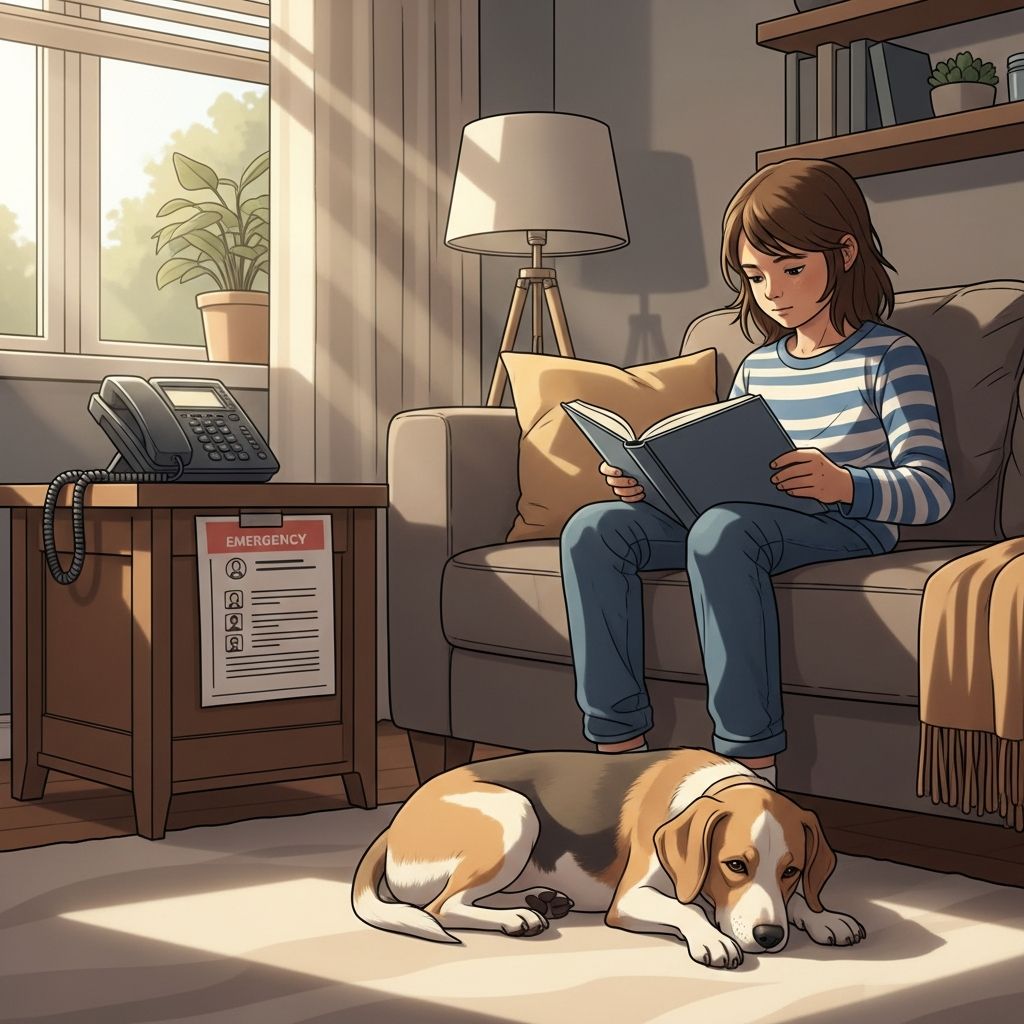
Foster parenting involves providing temporary care for children removed from their biological homes due to safety concerns, offering stability amid uncertainty. It demands resilience, empathy, and adaptability while promising profound personal growth.
Understanding the Call to Foster
The decision to become a foster parent often stems from a deep-seated desire to support vulnerable children. Many families feel drawn to this path after witnessing the struggles of child welfare systems, where over 400,000 children in the U.S. reside in foster care annually. This calling transcends altruism; it reshapes family dynamics and perspectives on resilience.
Prospective foster parents must assess their readiness. Key considerations include emotional stability, financial flexibility, and family consensus. Fostering introduces unpredictability—children may arrive with minimal notice, carrying belongings in a single bag. Yet, this chaos fosters growth, teaching caregivers to embrace impermanence.
- Emotional Preparedness: Expect to confront grief, attachment, and uncertainty daily.
- Practical Readiness: Homes must meet safety standards, often requiring modifications like childproofing.
- Support Networks: Reliable friends, extended family, and agencies provide essential backups.
Navigating the Certification Journey
Becoming certified involves rigorous training, background checks, and home studies. Programs typically span 20-30 hours, covering trauma-informed care, legal processes, and attachment theory. Agencies evaluate applicants’ motivations, ensuring they prioritize child welfare over adoption fantasies.
Post-certification, placements begin. Infants, toddlers, or teens may enter abruptly. Foster parents receive stipends covering basics like clothing and food, though extras often come from personal funds. This process weeds out the unprepared, leaving committed families ready for impact.
| Certification Step | Duration | Focus Areas |
|---|---|---|
| Orientation & Training | 4-6 weeks | Trauma effects, CPR, parenting skills |
| Background Checks | 2-4 weeks | Criminal history, references |
| Home Study | 1-2 months | Interviews, home inspection |
| Approval | Variable | Final agency review |
Daily Life: Routines Amid Chaos
Daily routines blend normalcy with intensity. Working parents juggle careers, daycare drop-offs, and court visits. Meals might include therapy-recommended foods for sensory issues, while evenings involve homework laced with emotional check-ins.
Children often arrive disoriented, exhibiting behaviors like defiance or withdrawal. Foster parents learn to decode triggers—perhaps a loud noise recalls past violence. Consistency builds trust: predictable bedtimes and playdates normalize life. Balancing this with biological children’s needs requires intentional scheduling.
One foster parent notes the ‘whirlwind to-do list,’ from medical appointments to school enrollments. Yet, these tasks cultivate efficiency and empathy, turning homes into healing sanctuaries.
Emotional Realities and Trauma Responses
Foster children frequently bear trauma’s scars: nightmares, aggression, or clinginess. Parents must remain anchors, using de-escalation techniques like deep breathing or sensory breaks. Staying calm amid tantrums tests limits but models emotional regulation.
The emotional toll on caregivers is significant. ‘Limbo’ defines the experience—uncertain durations breed anxiety. Attachments form quickly, only to face potential goodbyes. Half of placements reunify with birth families, a bittersweet victory. Self-care, therapy, and support groups are vital for sustainability.
- Common child behaviors: Hypervigilance, hoarding food, attachment disorders.
- Caregiver coping: Journaling, peer networks, professional counseling.
- Milestones: First trusts shared, academic improvements, genuine laughter.
Impact on Biological Children and Family Bonds
Integrating foster children affects everyone. Biological kids may feel displaced, resenting divided attention. Open dialogues preempt jealousy, framing fostering as shared compassion. Many report heightened empathy; siblings learn patience redirecting outbursts.
Marital strains emerge too—conflicts over strategies or exhaustion. Strong couples operate as teams, dividing tasks equitably. Long-term, families emerge tougher, with deeper bonds forged in adversity. Children gain global awareness, recognizing privilege amid peers’ hardships.
System Challenges and Advocacy Realities
The foster system frustrates with bureaucracy: endless paperwork, inconsistent caseworkers, delayed reimbursements. Reunification goals clash with safety concerns, leaving parents advocating fiercely in court. Visits with birth families evoke mixed emotions—hope tinged with fear.
Despite flaws, parents celebrate small wins: a child’s first stable month or reunified family’s progress. Advocacy extends beyond home; many join policy pushes for better funding and training.
Joys That Outweigh the Struggles
Beneath hardships lie indescribable rewards. Witnessing resilience—a teen opening up at 3 a.m., a toddler’s first unprompted hug—ignites purpose. Foster parents evolve: more patient, empathetic, spiritually deepened.
Impacts ripple generationally. Children heal, birth families stabilize, caregivers grow. One parent cherishes ‘knowing I’m changing future generations’. These moments affirm the call, proving love’s power amid brokenness.
- Breakthrough conversations revealing hidden pains.
- Observing growth from failure to perseverance.
- Familial expansions through adoption or lifelong ties.
Long-Term Perspectives and Sustainability
Veterans advise pacing oneself—start small, seek respite. Agencies offer breaks, preventing burnout. Many foster intermittently, balancing with careers and self-care. Perspectives shift: control illusions fade, replaced by faith in imperfect processes.
Sustainability hinges on community. Churches, nonprofits, and online forums provide solidarity. Financially, stipends suffice basics; heart-led extras define commitment.
Frequently Asked Questions
Is foster parenting expensive?
No, state stipends cover essentials like housing and food, though optional extras may add costs.
How does fostering affect my own children?
It can build empathy but requires preparation to manage sibling dynamics.
What if I get too attached?
Attachment is natural; support groups help process goodbyes.
Can working parents foster?
Yes, many balance full-time jobs with daycare and flexible schedules.
How long do children typically stay?
From days to years, with reunification common for about half.
Steps to Get Started
Research local agencies, attend info sessions, commit to training. Reflect prayerfully or introspectively—fostering transforms, demanding all-in resolve.
References
- What No One Told Me About Becoming a Foster Parent — KVC Health Systems. 2023. https://www.kvc.org/blog/what-no-one-told-me-about-becoming-a-foster-parent/
- What It’s Like to Be a Foster Parent – CorporetteMoms — CorporetteMoms. 2022-10-12. https://corporettemoms.com/what-its-like-to-be-a-foster-parent-as-a-working-mom/
- What to Expect When You Become a Foster Parent — Clarvida. 2024. https://www.clarvida.com/what-to-expect-when-you-become-a-foster-parent/
- How Foster Care Affected My Family — Community Care Resources. 2023. https://www.communitycareresources.com/how-foster-care-affected-my-family/
- What Is It Like to Be a Foster Parent? Here’s What We’ve Learned — Life.Church. 2023. https://finds.life.church/what-is-it-like-to-be-a-foster-parent/
- Should I Become a Foster Parent? Checklist & Considerations — America’s Kids Belong. 2024-01-15. https://americaskidsbelong.org/blog/should-i-become-a-foster-parent-checklist-considerations/
- Myths and Joys of Being a Foster Parent — Kingdom Workers. 2020-02-01. https://kingdomworkers.com/blog/posts/2020/february/myths-and-joys-of-being-a-foster-parent/